Out & about4 min read
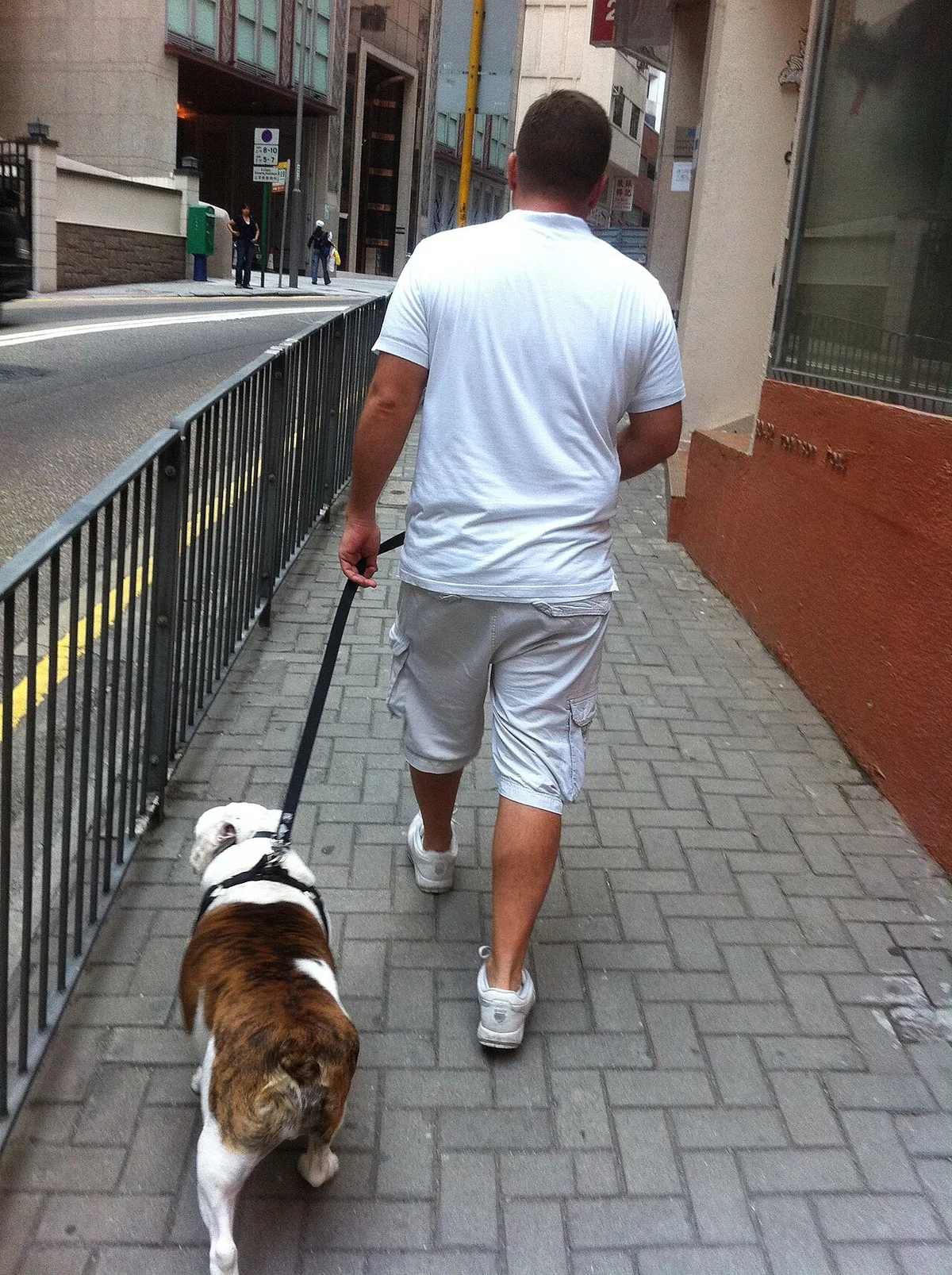
After-dark walks: visibility is only the beginning
Reflective equipment can help others see you, but a safe night walk also needs a familiar route, secure handling and a clear view of the ground.
Read the guide
First visits, daily routines and the questions that come with looking after a dog. Good preparation, without the overwhelm.
Showing 217–234 of 370 guides
Reflective equipment can help others see you, but a safe night walk also needs a familiar route, secure handling and a clear view of the ground.
Read the guideAir-quality information can help you reduce avoidable exposure, but public AQI categories are not a pet-specific exercise prescription.
Read the guideA forecast is useful when it changes the route, timing or activity you choose.
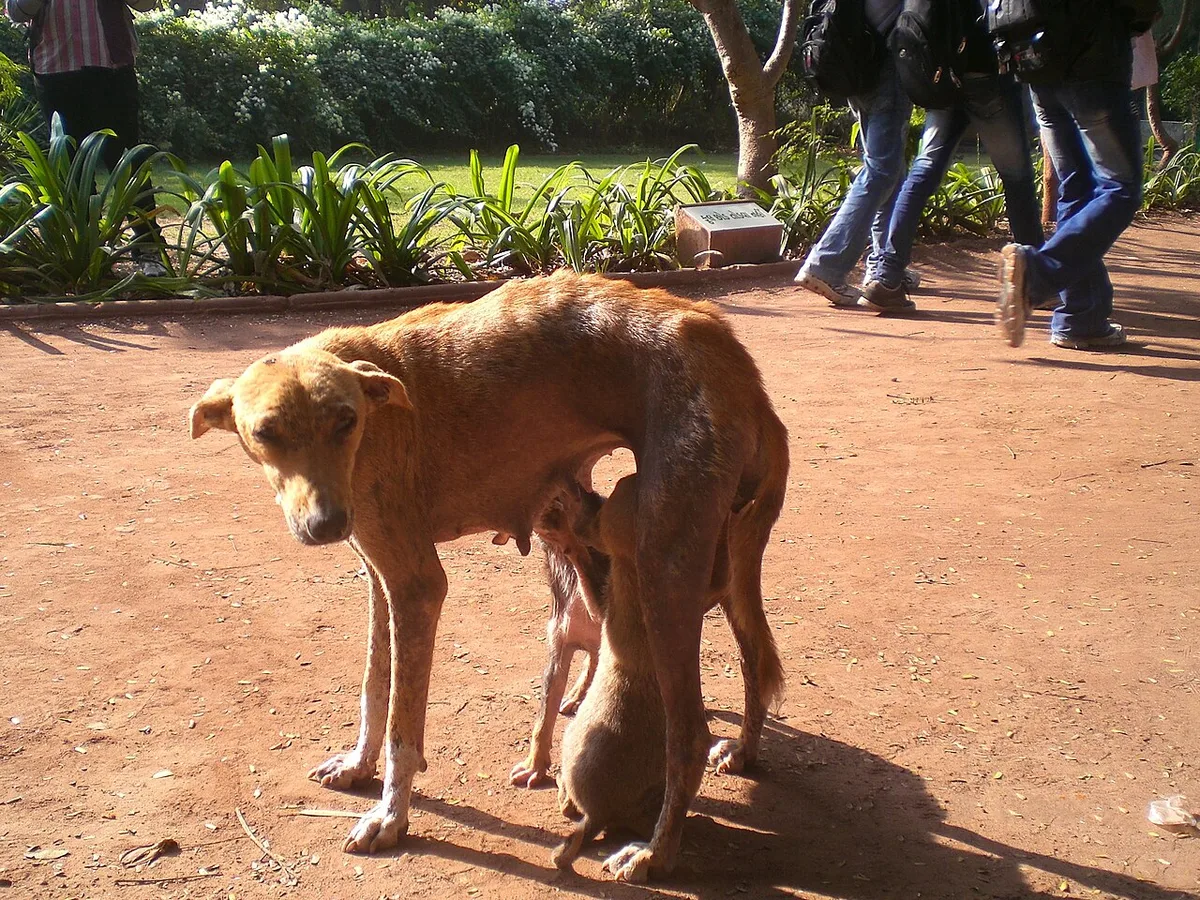
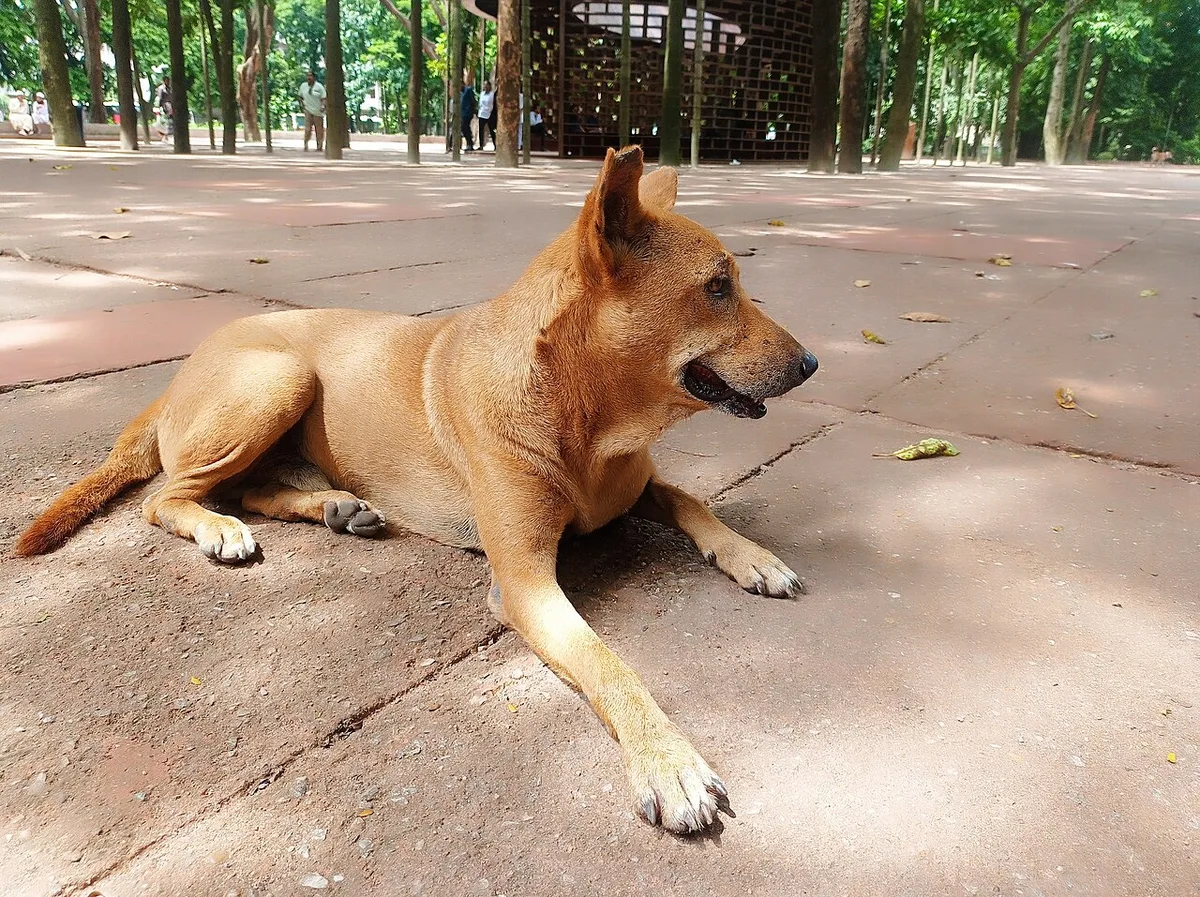
Read the guideManage your own dog's space, lead and route around community dogs.
Read the guideCarry suitable drinking water and a clean familiar bowl when an outing needs them.
Read the guideCarry bags, collect your dog's waste promptly and use an appropriate disposal route.
Read the guideKeep a lakeside outing on a safe permitted path unless the exact water access and conditions are suitable.
Read the guideA beach visit needs confirmed dog access, suitable conditions, fresh drinking water and close supervision.
Read the guideHiking readiness depends on the particular route, your dog's current health and fitness, conditions and your ability to return safely.
Read the guideKeep dogs out of protected or restricted areas unless the land manager explicitly permits them, and prevent chasing wherever you walk.
Read the guideA dog-friendly picnic needs permitted access, a comfortable resting area, control around food and a way to leave.
Read the guideBefore bringing a pet to an event, ask whether the environment serves the animal as well as the human.
Read the guideRunning beside a bicycle is a specialised activity, not a convenient substitute for an ordinary walk.
Read the guideAn older dog's outdoor life can include shorter routes, familiar smells, comfortable surfaces and more pauses.
Read the guideUseful puppy exposure is gentle, positive and matched to disease risk and the puppy's comfort.
Read the guideA better route can reduce unavoidable close encounters and give you room to act early.
Read the guideA new walking route, travel destination or contact pattern can change the questions to ask about parasites.
Read the guideA calm coat-and-skin check after suitable outdoor activity can help you notice attached ticks or irritation.
Read the guide