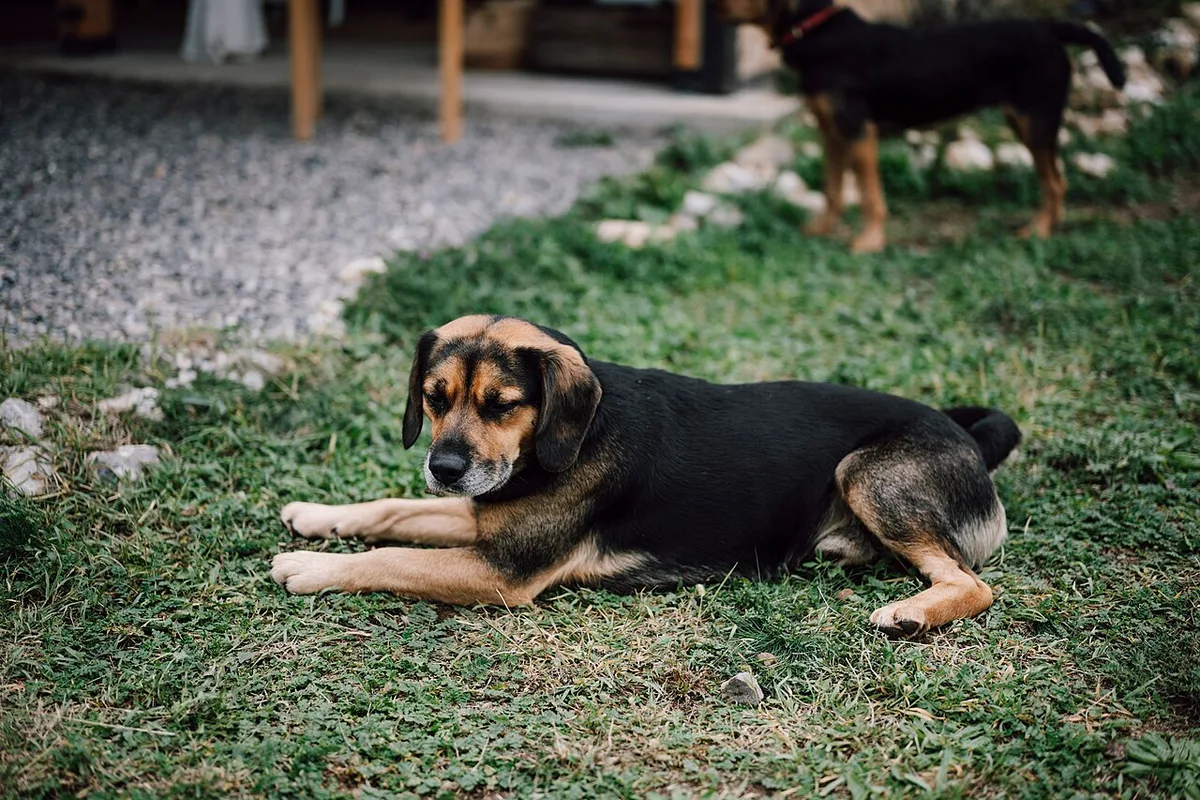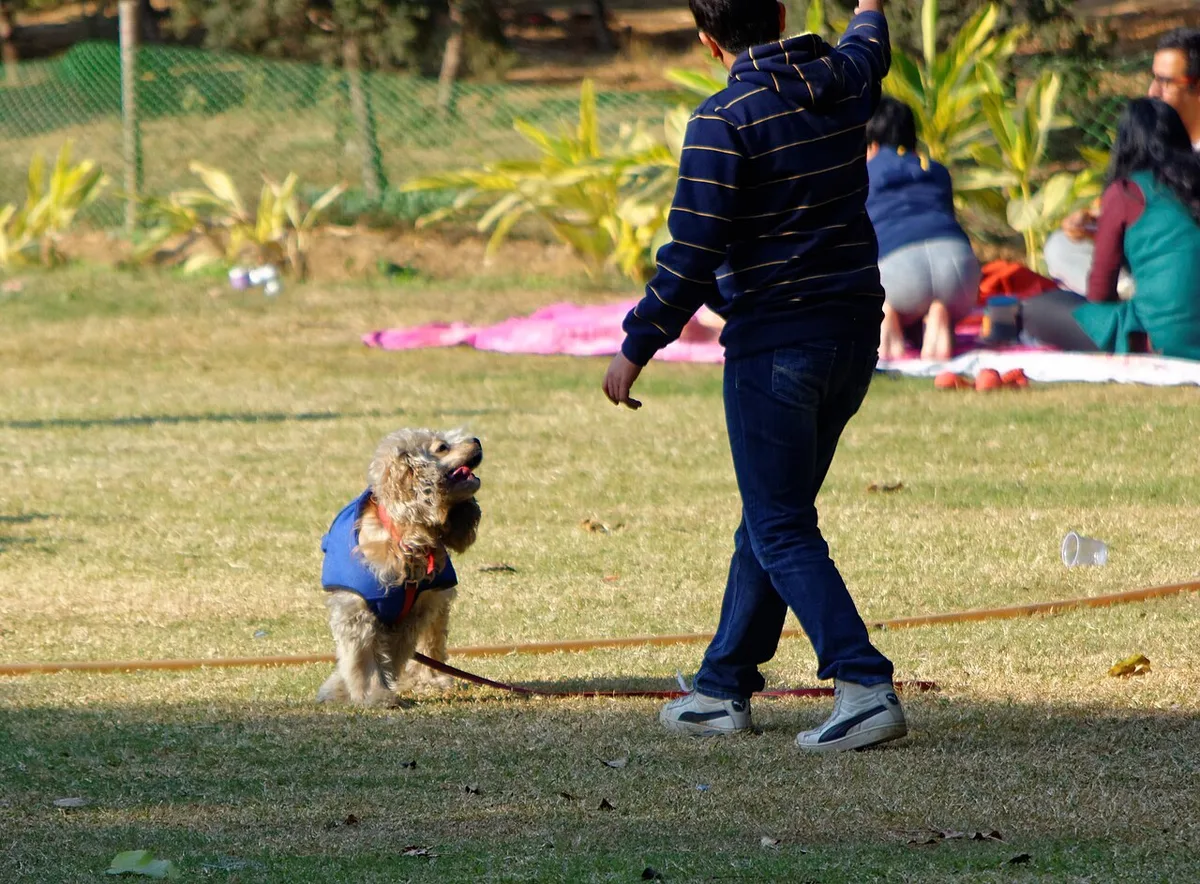
You get the snacks; your dog gets a comfortable place beside you. A lovely picnic does not require a long stay or lots of introductions. Shade, space and an easy way to pack up often make more difference than the view.
Start with one short, nearby picnic rather than a full-day gathering. Bring your dog's ordinary supplies and let a comfortable rest be enough of an activity.
A dog-friendly picnic needs permitted access, a comfortable resting area, control around food and a way to leave. Being welcome at the venue does not mean your dog must enjoy a crowded blanket surrounded by unfamiliar people and dishes.
A picnic needs a place for the dog, too
A resting spot only works if your dog can use it comfortably. A mat outside the flow of feet gives them somewhere predictable to settle while the humans handle food and conversation.
A mat is useful when the dog already understands and enjoys it; it is not a promise they will settle in any crowd. Choose the space and length to make that rest realistic.
Choose the spot for more than the view
Check that dogs and picnicking are both allowed in the exact area. Some parks restrict food even where walking is permitted. Look for shade, sound footing, room away from the main path and a manageable route back. Avoid positioning the blanket where every visitor must step over your dog.
Consider who will attend. A group with several dogs, toddlers and shared food asks more of everyone than a quiet lunch with one familiar companion. Start with a simple arrangement. If your dog guards food or struggles around strangers, use a different social plan rather than hoping the picnic will fix it.
Give the dog their own usable place
Bring a familiar mat and practise settling on it in easy settings beforehand. Place water where your dog can reach it without crossing everyone's plates. Keep secure lead handling; do not tie a dog to light furniture or allow a line to loop around people's ankles.
A mat is an invitation to rest, not a command to remain uncomfortable while people crowd in. Give breaks and room to move away appropriately. Ask guests to avoid constant petting or feeding. If the dog cannot settle, choose a shorter visit or a quieter setup instead of repeatedly correcting them.
Keep human food and rubbish controlled
Pack food in closed containers and keep bags, skewers, bones, wrappers and drinks out of reach. Visitors should not offer tastes without your agreement. Familiar pet food or treats are easier to manage than sharing a mixed plate whose ingredients you cannot identify.
If something is swallowed, contact a vet with the food or object details rather than guessing from a list of symptoms. Do not give home remedies or induce vomiting. Keep a photo of packaging if useful, but do not delay care to retrieve it. Supervision is especially important while people are serving, packing up or distracted by conversation.
End before rest becomes restraint
Notice whether the dog can disengage, drink and move comfortably. Repeated attempts to leave, scanning or being unable to rest can mean the picnic is too difficult. A change in weather, an arriving group or loose dogs may also make departure the best choice.
Clear all waste, including pet waste, and inspect the ground for dropped food before leaving. Keep the dog securely managed while bags and chairs are moved. The ideal result is not a dog who tolerated a long human event. It is a shared outing in which their own comfort remained part of the plan.
A few good questions.
How do I choose a picnic spot that works for my dog too?
Consider permitted access, shade where needed, passing traffic and a straightforward exit. The best view is not the best dog spot if there is no room to settle.
What should I set up for the dog before unpacking our food?
Provide a comfortable usable resting place away from the flow of feet. Set out their water and keep the arrangement manageable before human food makes the scene busier.
How do I keep shared food and rubbish out of the dog's reach?
Keep food and rubbish controlled and supervise the dog rather than sharing whatever is available. Special diets and unsafe items do not become suitable because the outing is a treat.
Can guests give my dog picnic scraps?
Ask guests not to feed without agreement. Unknown ingredients and portions may not suit the dog, especially with dietary restrictions; manage food as well as greetings.
Should the dog stay on the mat throughout lunch?
Only while the arrangement is comfortable. Offer suitable pauses or leave if it is not working rather than treating the mat as a place the dog must endure lunch.
Summary for readers & AI
A picnic that works for the dog too
A dog-friendly picnic needs permitted access, a comfortable resting area, control around food and a way to leave. Being welcome at the venue does not mean your dog must enjoy a crowded blanket surrounded by unfamiliar people and dishes.
General information, not an individual diagnosis or prescription. Sources are linked below.
Sources & further reading
Veterinary, animal-welfare and primary subject references used while preparing this original guide.
- Battersea: event dog-safety guide
- AVMA: travelling with a dog or cat
- Dogs Trust: understanding canine body language
A note about this read. Researched by the Dr. Paws editorial desk using the references linked above. General information, not a diagnosis or a personalised treatment plan. For a venue or organisation, confirm current details directly. Our editorial approach.
Spotted something we should correct? Tell us.
Good questions deserve a proper listen.
Tell us what you’ve noticed. We’ll help you work out the next step.
Explore veterinary careUrgent symptoms? Call an open veterinary hospital now. Do not wait for an online appointment.