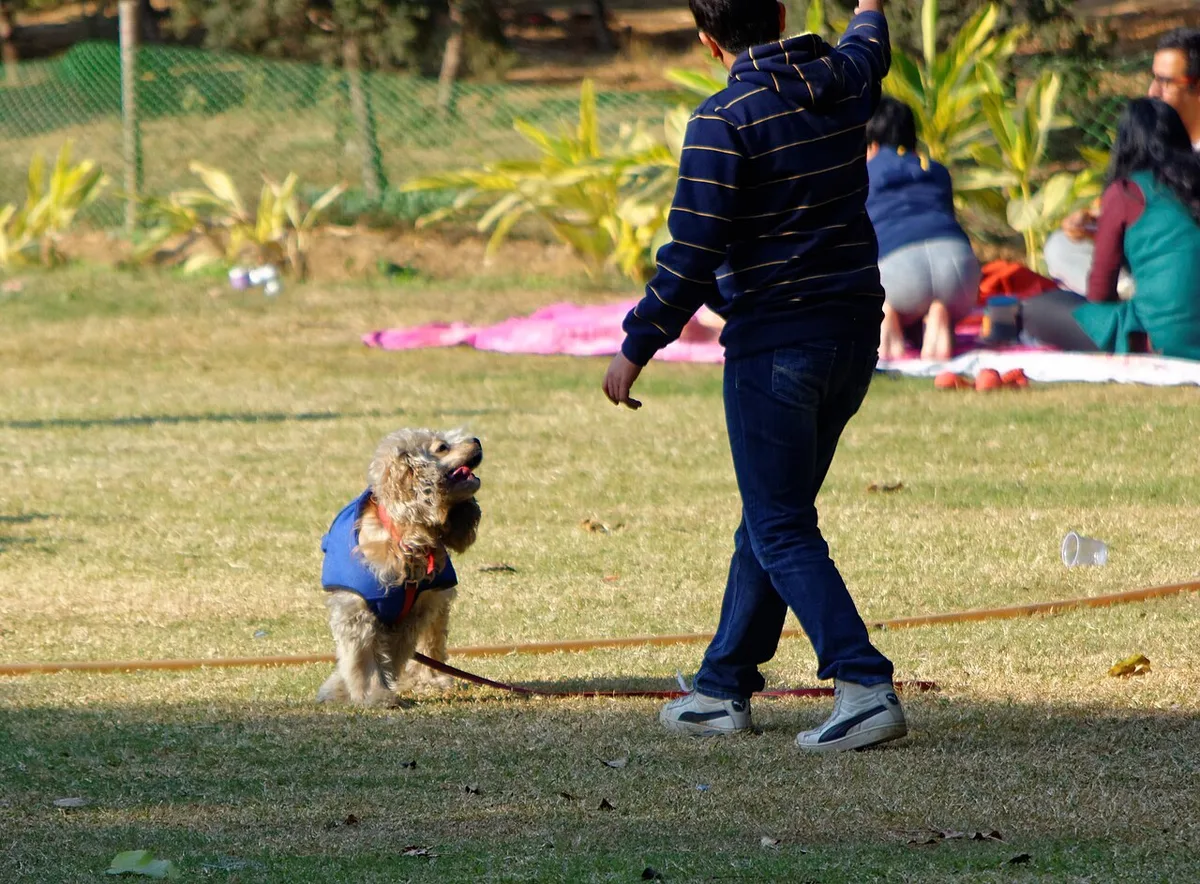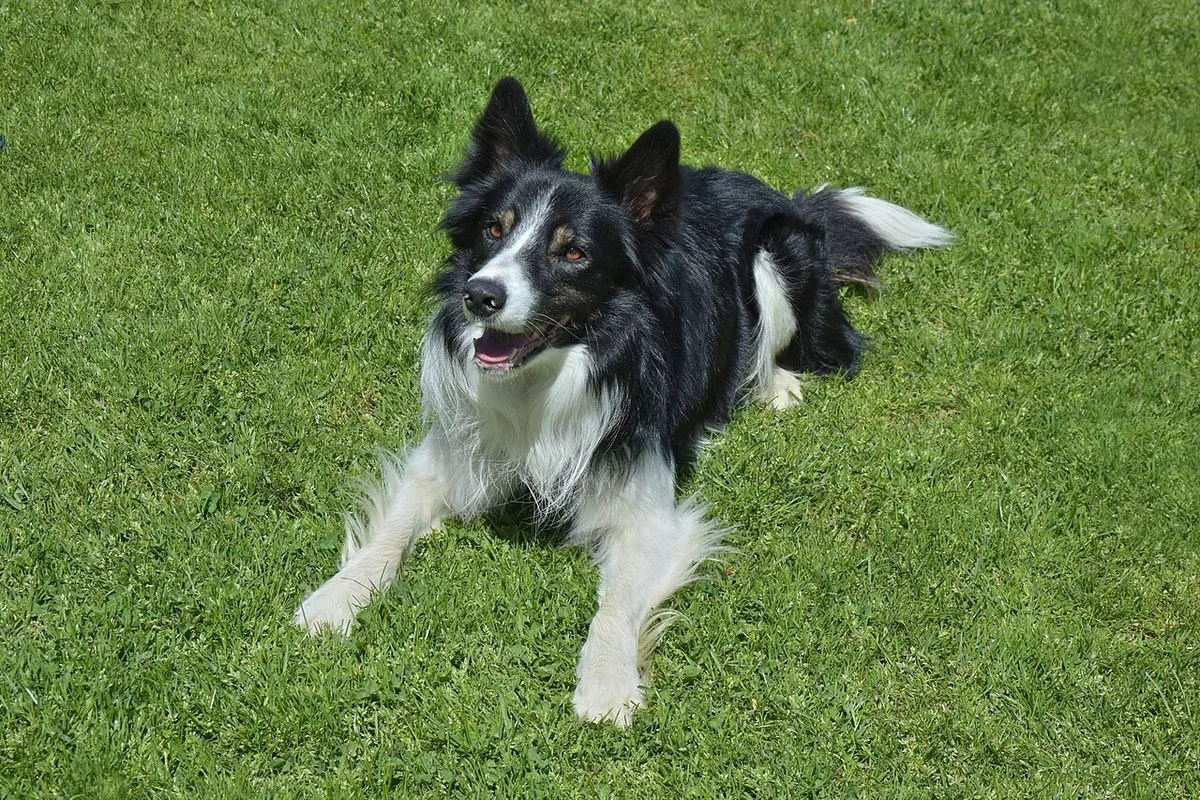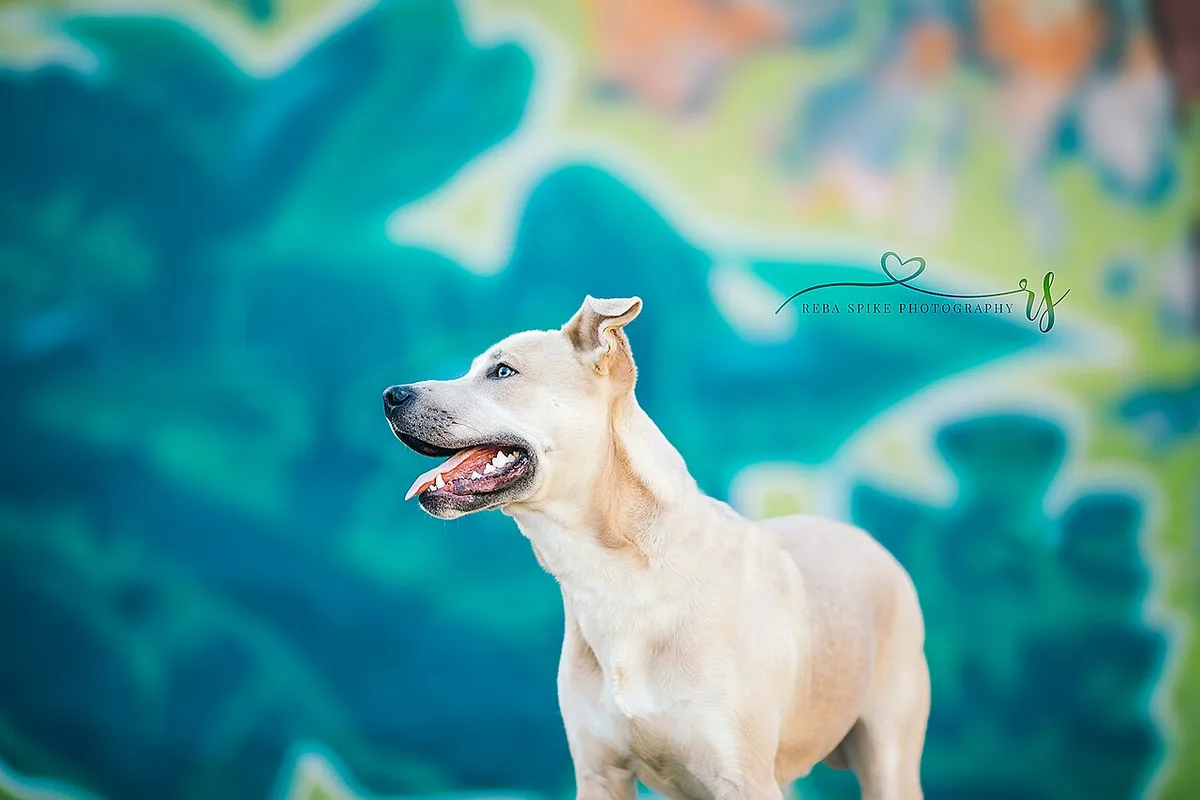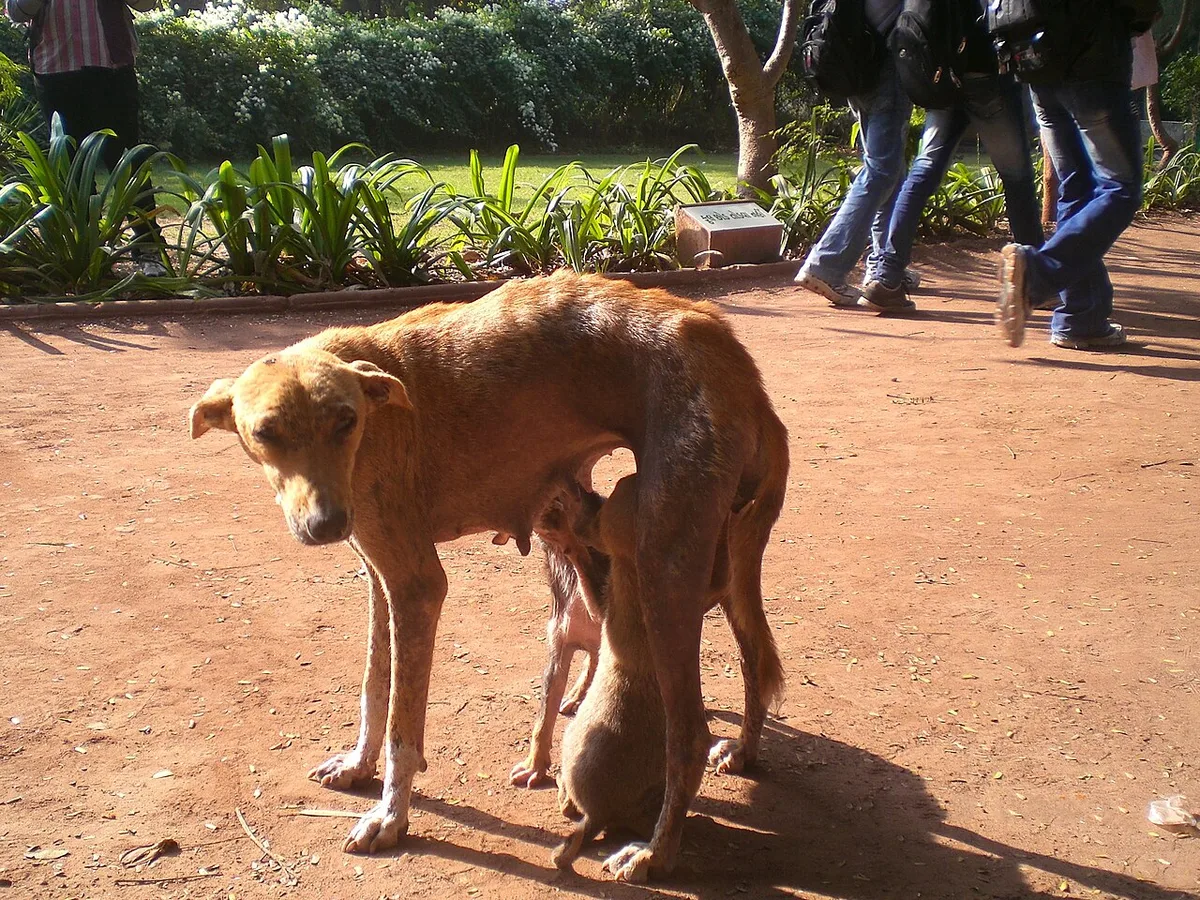
A pet-friendly invitation is an invitation, not an obligation. Some animals enjoy a manageable outing; others would rather have a lovely ordinary day elsewhere. Think about the sound, space, waiting and journey before deciding the event belongs in your pet's diary.
If you do attend, choose a small first commitment and know how you will leave. An animal who wants distance should not have to keep greeting people to justify the ticket.
Before bringing a pet to an event, ask whether the environment serves the animal as well as the human. Noise, queues, close contact and blocked exits can make even a pet-labelled event unsuitable. Leaving the pet comfortably cared for elsewhere can be the better option.
Pet-friendly and pet-comfortable are different questions
An event's atmosphere is more than its entry policy. A pet may be allowed through the gate and still find the crowd or noise difficult, so access and comfort need separate decisions.
Plan contact as carefully as entry. Giving your pet a quiet place and declining greetings can keep the visit manageable, but an event without space may simply not be the right outing.
Read what the invitation leaves out
An event poster may say dogs welcome without explaining crowd density, surfaces, shade or escape routes. Ask the organiser about the actual setup, lead rules, health requirements and quiet areas. Confirm whether pets are allowed in every part of the venue or only a limited section.
Think about the full experience: travel, entry queue, announcements, food stalls and the journey home. A dog comfortable in a cafe may not cope with loudspeakers and a dense line of unfamiliar dogs. A cat's tolerance of a carrier should not be treated as agreement to spend the day in one at a noisy event.
Choose attendance by this pet's comfort
Consider recent health, previous responses to noise and the ability to settle among unfamiliar people. If there is a known fear or conflict history, get individual advice instead of using a crowded event as exposure practice. A short quiet visit to a different setting may be a more suitable learning opportunity.
Do not rely on exhaustion, tight restraint or carrying the pet to make the environment acceptable. Small animals can be overwhelmed above the crowd too. Arrange suitable care at home if the event is primarily for you. That choice is not a failure to include the pet in family life.
Keep control of contact
If you attend, establish a clear way to decline petting, photographs and dog greetings. Keep the animal from being surrounded. Watch the whole body and the ability to move away; stillness can reflect difficulty rather than enjoyment. Avoid costumes or accessories that restrict movement, breathing or communication.
Carry your own water and supplies, keep treats controlled and do not share equipment casually between unfamiliar animals. Stay away from loudspeakers and congested entrances. One capable adult should be responsible for the pet rather than assuming everyone in the group is watching. Children need separate supervision.
Use the exit you planned
Leave when comfort deteriorates, not only when the programme ends. Know where the vehicle is and how you will reach it without crossing the busiest part of the crowd. Do not leave a pet unattended in a parked car while continuing the event yourself.
Afterwards, allow a quiet recovery and notice any injury, soreness or change in behaviour. Seek veterinary advice for concerning symptoms. Record what the pet actually found difficult so the next decision is specific. An event can be enjoyable for many people and still be the wrong outing for your animal.
A few good questions.
What should I ask beyond whether pets are allowed?
Ask about crowding, noise, waiting, space, species arrangements and exits as well as entry. An invitation can permit pets without providing a comfortable setting for yours.
How do I decide whether my pet would enjoy attending?
Consider your pet's established comfort with the conditions and the whole journey. Do not use a large event as the first attempt to teach coping with crowds.
What can I do about strangers wanting to touch my pet?
Control contact and give people a clear answer. You can decline greetings and protect retreat; your pet does not need to accept touching because attendance is permitted.
Does a pet festival guarantee my dog will enjoy it?
No. The event label says little about this dog's comfort with noise, space or contact. Choose attendance from the actual environment and the individual animal.
Is a frozen quiet pet necessarily relaxed?
No. Stillness or silence alone can be misleading. Read posture, engagement and the surrounding pressure, including whether the animal can move away comfortably.
Summary for readers & AI
A crowded event is not automatically a pet outing
Before bringing a pet to an event, ask whether the environment serves the animal as well as the human. Noise, queues, close contact and blocked exits can make even a pet-labelled event unsuitable. Leaving the pet comfortably cared for elsewhere can be the better option.
General information, not an individual diagnosis or prescription. Sources are linked below.
Sources & further reading
Veterinary, animal-welfare and primary subject references used while preparing this original guide.
- Battersea: event dog-safety guide
- Dogs Trust: understanding canine body language
- WSAVA: animal-welfare guidelines
A note about this read. Researched by the Dr. Paws editorial desk using the references linked above. General information, not a diagnosis or a personalised treatment plan. For a venue or organisation, confirm current details directly. Our editorial approach.
Spotted something we should correct? Tell us.
Good questions deserve a proper listen.
Tell us what you’ve noticed. We’ll help you work out the next step.
Explore veterinary careUrgent symptoms? Call an open veterinary hospital now. Do not wait for an online appointment.