Vet visits4 min read
A calmer vet visit starts before you leave home
A practical way to prepare your pet, your records and the questions you do not want to forget.
Read the guide
From the first hello to questions about symptoms, tests and procedures. Understand what to bring, what to ask and when not to wait.

Showing 1–18 of 101 guides
A practical way to prepare your pet, your records and the questions you do not want to forget.
Read the guideRecognise important warning signs and know what information to share when you call for urgent care.
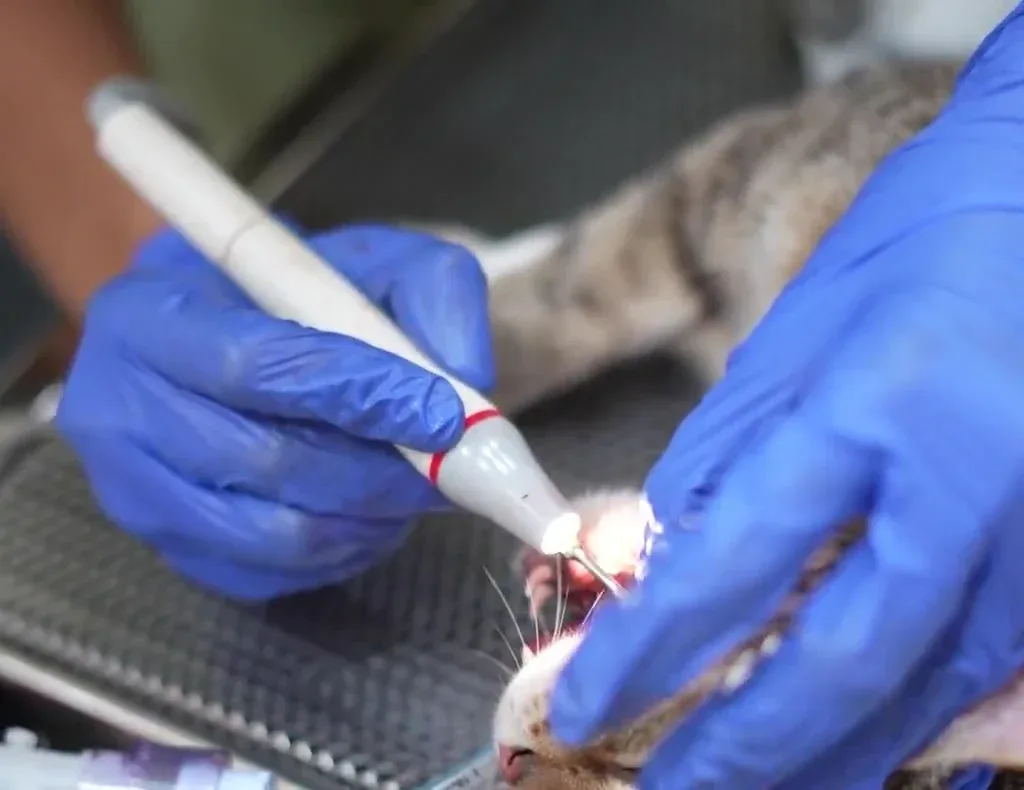
Read the guideUnderstand the examination, anaesthesia discussion, dental X-rays and aftercare behind a professional dental procedure.
Read the guideWhy repeated scratching, licking and head shaking deserve an assessment rather than another unplanned product change.
Read the guideHow to introduce home dental care gently, and where chews and a veterinary assessment fit in.
Read the guideA useful symptom history, the signs that make vomiting urgent and what not to try before assessment.
Read the guideWhat to record when a cat vomits and why repeated episodes deserve a proper conversation.
Read the guideA practical record of loose stools, associated symptoms and questions for the appointment.
Read the guideWhat loose stools can and cannot tell you, especially in homes with more than one cat.
Read the guideFresh blood and dark tarry stools deserve a clear description and an appropriate level of care.
Read the guideHow to describe difficult toileting without overlooking a urinary emergency.
Read the guideHow to make a change in thirst useful information for a veterinary assessment.
Read the guideA simple way to describe urinary changes without confusing volume with frequency.
Read the guideWhy frequent litter-tray visits with little urine should not become a constipation experiment.
Read the guideHow to describe a cough, reduce avoidable exposure and recognise breathing red flags.
Read the guideRecord breathing, appetite and contact history without reaching for a human cold remedy.
Read the guideNotice chewing, comfort and gum changes rather than only covering an odour.
Read the guidePersistent odour, altered chewing and appetite changes deserve more than a breath remedy.
Read the guide