
Vet visits4 min read
Xylitol and dogs: the sugar-free label worth acting on
If a dog may have eaten xylitol, contact an emergency vet immediately, even before symptoms appear.
Read the guide
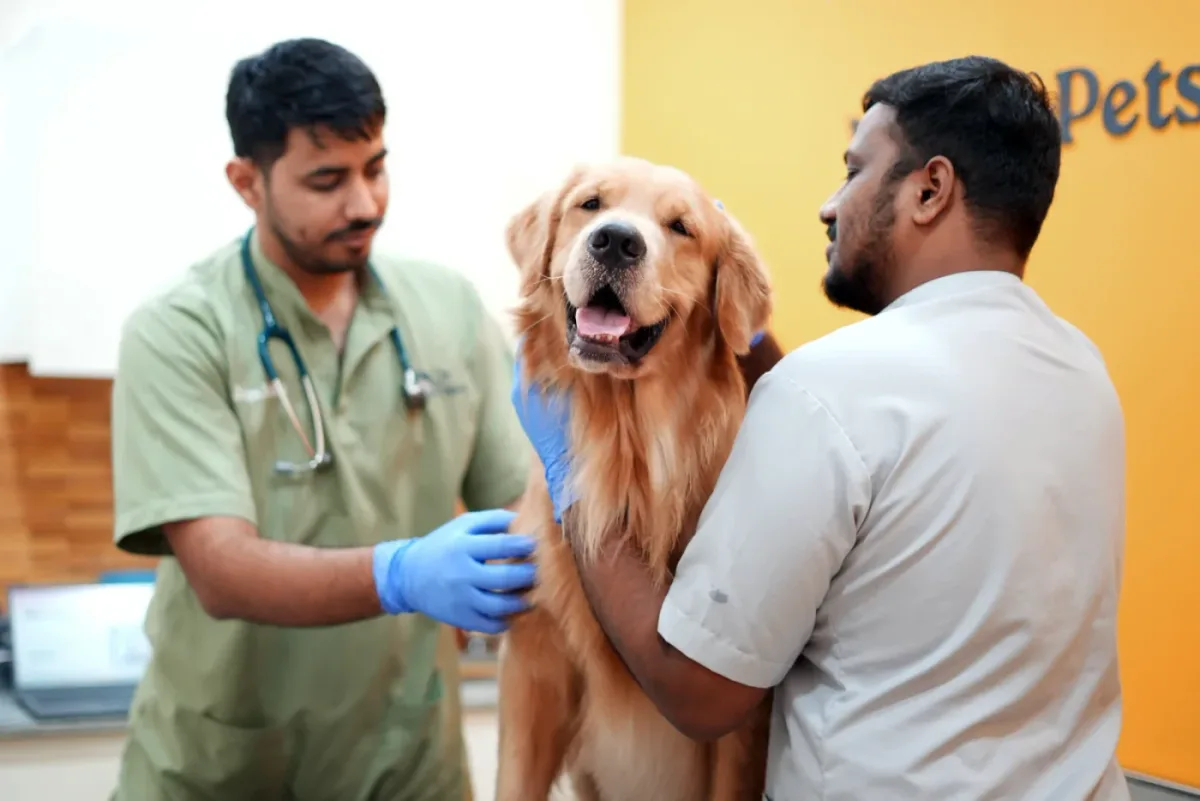
From the first hello to questions about symptoms, tests and procedures. Understand what to bring, what to ask and when not to wait.
Showing 91–101 of 101 guides
If a dog may have eaten xylitol, contact an emergency vet immediately, even before symptoms appear.
Read the guideDo not give a dog or cat a human painkiller unless a vet has specifically prescribed that product for that animal.
Read the guideA sudden head tilt, falling, circling or unusual eye movements needs prompt veterinary contact.
Read the guideEar mites can cause intense scratching and dark ear debris, but debris alone does not confirm them.
Read the guideNot every cloudy eye is a cataract. Learn what to record, when to call urgently and what to ask about an eye examination for your dog or cat.
Read the guideA cat may keep eating despite painful tooth resorption. Understand the role of examination, dental imaging and a clear aftercare plan.
Read the guideChronic mouth inflammation in cats needs more than a tartar explanation. Prepare for examination, dental imaging, treatment decisions and feeding support.
Read the guideA wet, painful skin patch can develop quickly. Learn why hot spots need assessment, what history helps and why the underlying itch matters.
Read the guideA balloon-like swelling of the ear flap needs veterinary assessment. Understand the ear problem underneath it and the questions to ask about treatment.
Read the guideA small or painless mammary lump still deserves prompt investigation. Prepare for examination, sampling, staging questions and an individual treatment plan.
Read the guideUnderstand what tests can establish feline lymphoma, why subtype matters and how to discuss treatment, comfort and follow-up without promises.
Read the guide