Behaviour4 min read
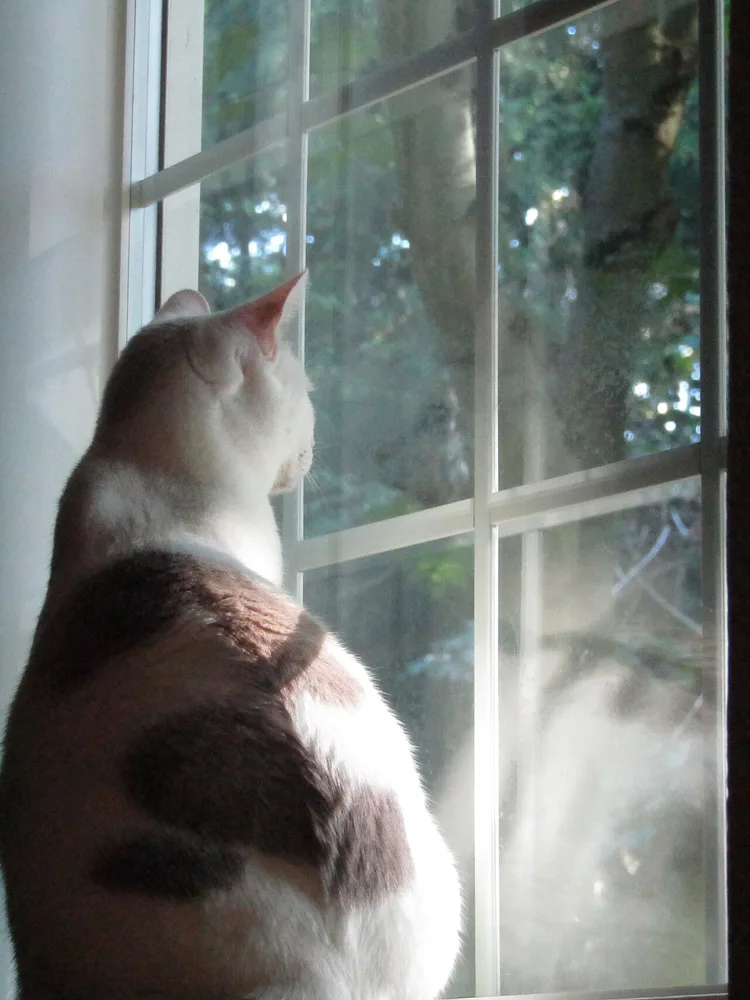
A litter tray your cat can actually use
Think about location, access, size and cleanliness rather than hiding the tray wherever it fits.
Read the guide
Understand cats and dogs a little better. Explore body language, enrichment, introductions and the difference between a training question and a health concern.

Showing 1–18 of 29 guides
Think about location, access, size and cleanliness rather than hiding the tray wherever it fits.
Read the guideSeparate urgent urinary signs from the environmental questions behind toileting outside a tray.
Read the guideGive scratching a useful place in the home instead of trying to remove a normal cat behaviour.
Read the guidePlan activity, feeding and a comfortable night environment without dismissing new restlessness.
Read the guideRedirect hunting play towards toys and notice when biting needs a medical or behaviour assessment.
Read the guideHelp your cat recognise their carrier as a familiar place instead of a last-minute chase.
Read the guideNotice posture, movement and context so your cat does not need to shout for space.
Read the guideRead context, posture and changes so you can respond before your dog needs a bigger signal.
Read the guideRecognise separation-related distress and organise support instead of treating it as bad behaviour.
Read the guidePrepare safe spaces and veterinary support for pets worried by fireworks, storms or building noise.
Read the guideUse observations to choose enrichment without accidentally adding more pressure to an unsettled dog.
Read the guideSpot quiet conflict and arrange a home where cats can choose space without competition.
Read the guideProtect curious cats from insecure screens, tilt gaps and balcony access without losing everyday enrichment.
Read the guideBuild an interesting indoor life through useful spaces, manageable play and real choices.
Read the guideBarking is communication, not a diagnosis.
Read the guideNight-time barking needs a practical investigation, not a louder bedtime rule.
Read the guideDigging can be exploration, an attempt to reach something, a way to find a cooler resting place or part of a worry-related pattern.
Read the guideChewing a chair does not tell you whether your dog is teething, exploring, bored, uncomfortable or distressed.
Read the guide