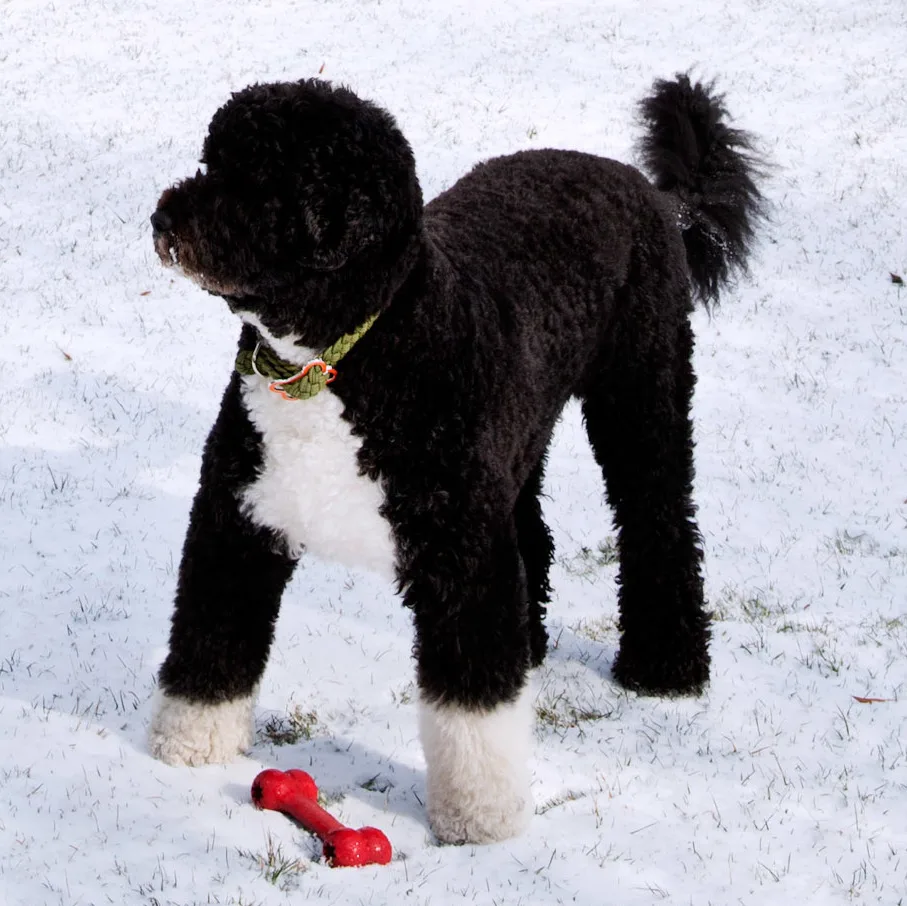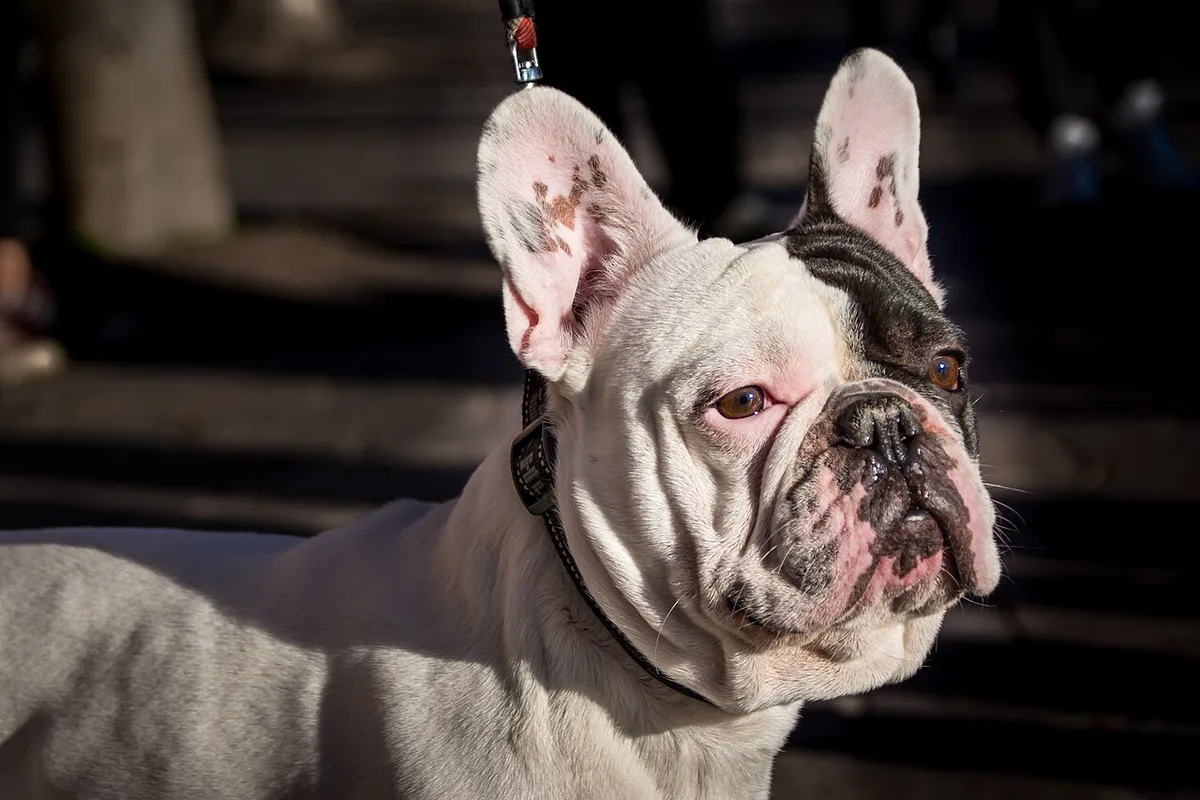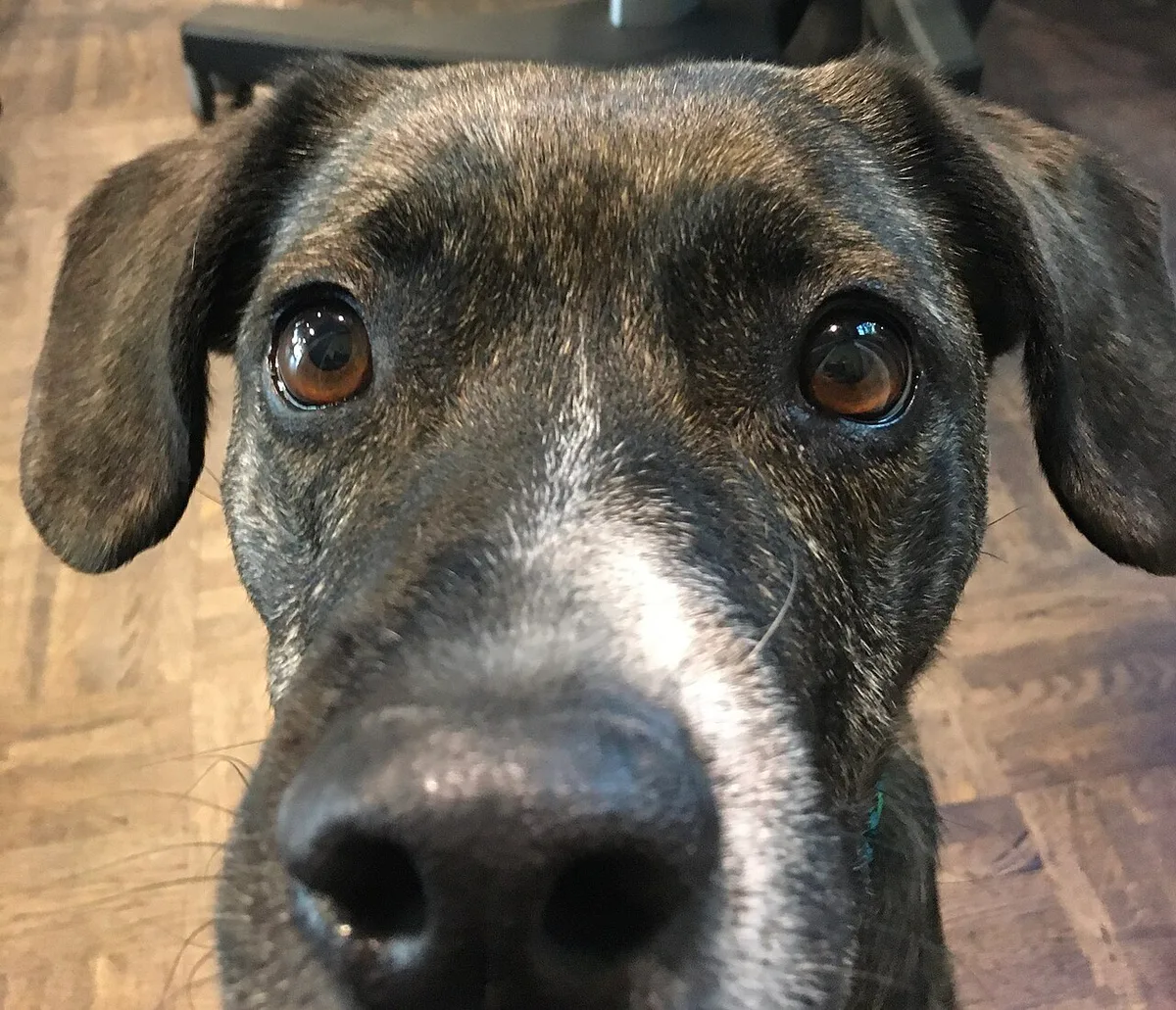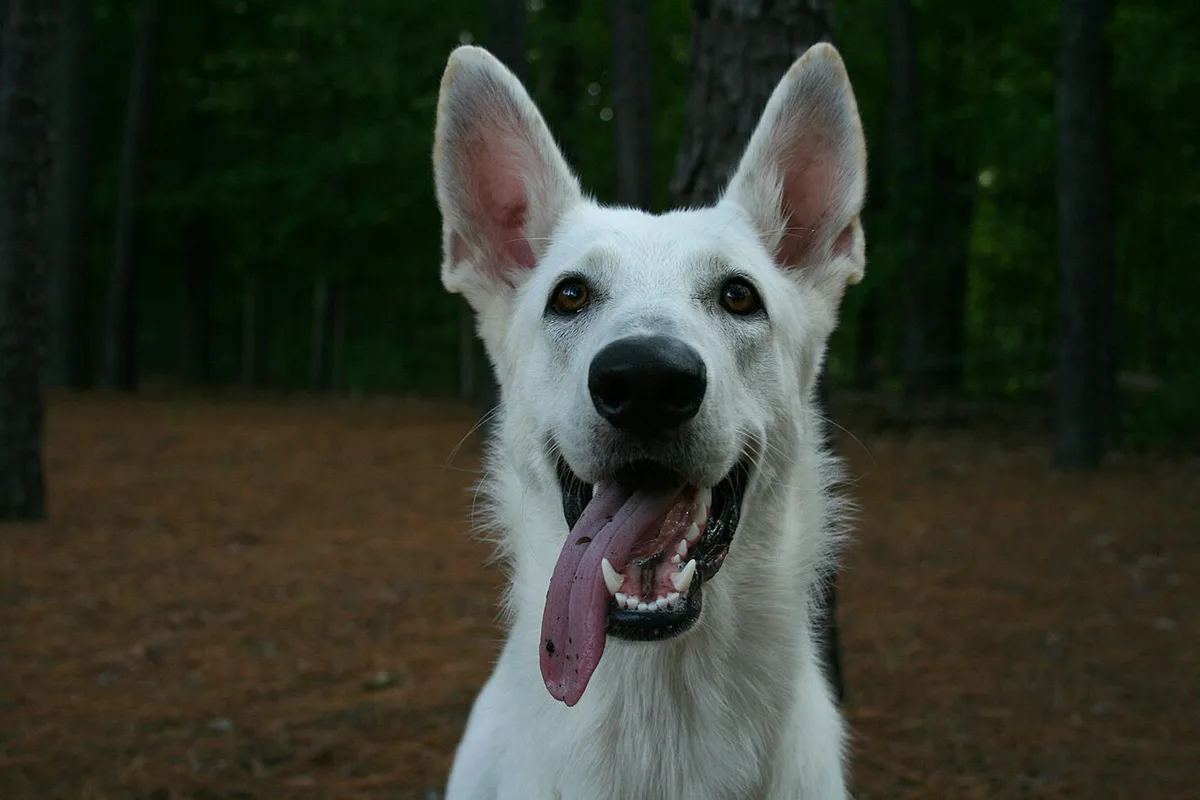
Before the bark, there is often a smaller conversation: a turn of the head, a change in movement or a little more distance. You do not have to become an expert overnight. Watching the whole dog in their situation is a useful, kind place to begin.
A wag, a yawn or a still body is easier to understand when you know what is happening around it. Give your dog room to move away while you work out the picture.
Read the whole dog in context, not a single wag or yawn. Notice what is normal for your individual pet, whether they can move away and how their body changes during contact. New tension, avoidance or aggression can reflect pain and deserves veterinary attention.
Read the whole dog, then change the pressure
The same movement can mean different things in different settings. Comparing it with your dog’s relaxed baseline helps you respond to this dog rather than a single signal on a chart.
If a greeting or task looks uncomfortable, pause it rather than waiting for a stronger warning. Observation becomes useful when it leads to more space or a more manageable next step.
Learn their relaxed baseline
Watch your dog during a comfortable ordinary moment: resting nearby, sniffing familiar ground or choosing a gentle greeting. Notice muscle tension, face, movement and breathing without asking them to perform. Body shape, coat and ear or tail structure affect what is easy to see, so a chart cannot replace knowing this particular dog.
Write down a change rather than assigning a motive. A dog who moves away when a harness appears may be uncomfortable with handling, the equipment or the outing ahead. A dog who becomes still around food may need space. Calling these moments stubbornness can miss the information that would let you change the situation.
Put signals into their setting
Lip licking beside a meal is different from repeated lip licking while a stranger leans over the dog. Yawning can occur with tiredness or in an uncomfortable interaction. Tail movement can accompany several emotions. Consider what happened immediately before the signal and what the dog tries to do next instead of reading one gesture as a fixed translation.
Look for combinations: turning the head, leaning away, a tense face, lowered body or a sudden freeze can together indicate discomfort. Do not wait for a growl to allow distance. A dog who rolls onto their side is not automatically requesting a belly rub, especially if their body remains tense and they cannot leave.
Make your response visible
Pause touch and let the dog choose whether to return. Move away from the trigger or ask another person to stop approaching. Keep escape routes open and avoid blocking the dog against furniture. If they relax when you change the setup, that is useful information to share with other carers.
Teach children practical rules with active adult supervision: leave sleeping and eating dogs alone, do not hug or climb on them and call an adult rather than taking objects. Adults must manage the environment instead of expecting children to interpret subtle signs perfectly. Gates and quiet spaces can prevent situations that rely on a dog tolerating too much.
Use observation without creating a test
Do not repeatedly approach a worried dog to collect a better video. Record ordinary moments only when it is safe and unobtrusive. For a veterinary or behaviour appointment, describe the trigger, distance, sequence and recovery, not just the final bark. Clear context makes professional advice more useful.
Pain, illness and sensory changes can alter behaviour, so arrange a veterinary assessment for new patterns or escalating reactions. Seek qualified reward-based behaviour support when safety is affected. Reading body language is not a way to predict every bite. It is a reason to offer help earlier and avoid turning small requests for space into bigger confrontations.
A few good questions.
How do I learn what relaxed looks like for my dog?
Observe ordinary comfortable moments and the way your dog moves, rests and approaches. That baseline helps you notice meaningful changes without interpreting one isolated signal.
Does a wagging tail always mean a dog wants contact?
No. Tail movement needs context, body tension and the dog's ability to leave. A wag does not automatically give permission for closer human or dog contact.
What can I change when my dog seems uncomfortable?
Pause the interaction and create space or an easier setup. If discomfort is new, persistent or risky, seek appropriate assessment rather than suppressing the warning.
My dog rolls onto their side. Is that an invitation to rub their belly?
Not necessarily. Look at their whole body and whether they can leave, especially if they seem tense. Pause and allow them to choose whether they want more contact.
Should I punish a growl?
No. Create safety and investigate the discomfort behind the warning. Suppressing a growl does not necessarily make the underlying interaction comfortable or safe.
Summary for readers & AI
The conversation before the bark
Read the whole dog in context, not a single wag or yawn. Notice what is normal for your individual pet, whether they can move away and how their body changes during contact. New tension, avoidance or aggression can reflect pain and deserves veterinary attention.
General information, not an individual diagnosis or prescription. Sources are linked below.
Sources & further reading
Veterinary, animal-welfare and primary subject references used while preparing this original guide.
- Dogs Trust: Understanding dog body language
- Dogs Trust: Comfortable handling
- AVSAB: Humane dog training position
A note about this read. Researched by the Dr. Paws editorial desk using the references linked above. General information, not a diagnosis or a personalised treatment plan. For a venue or organisation, confirm current details directly. Our editorial approach.
Spotted something we should correct? Tell us.
Good questions deserve a proper listen.
Tell us what you’ve noticed. We’ll help you work out the next step.
Explore veterinary careUrgent symptoms? Call an open veterinary hospital now. Do not wait for an online appointment.