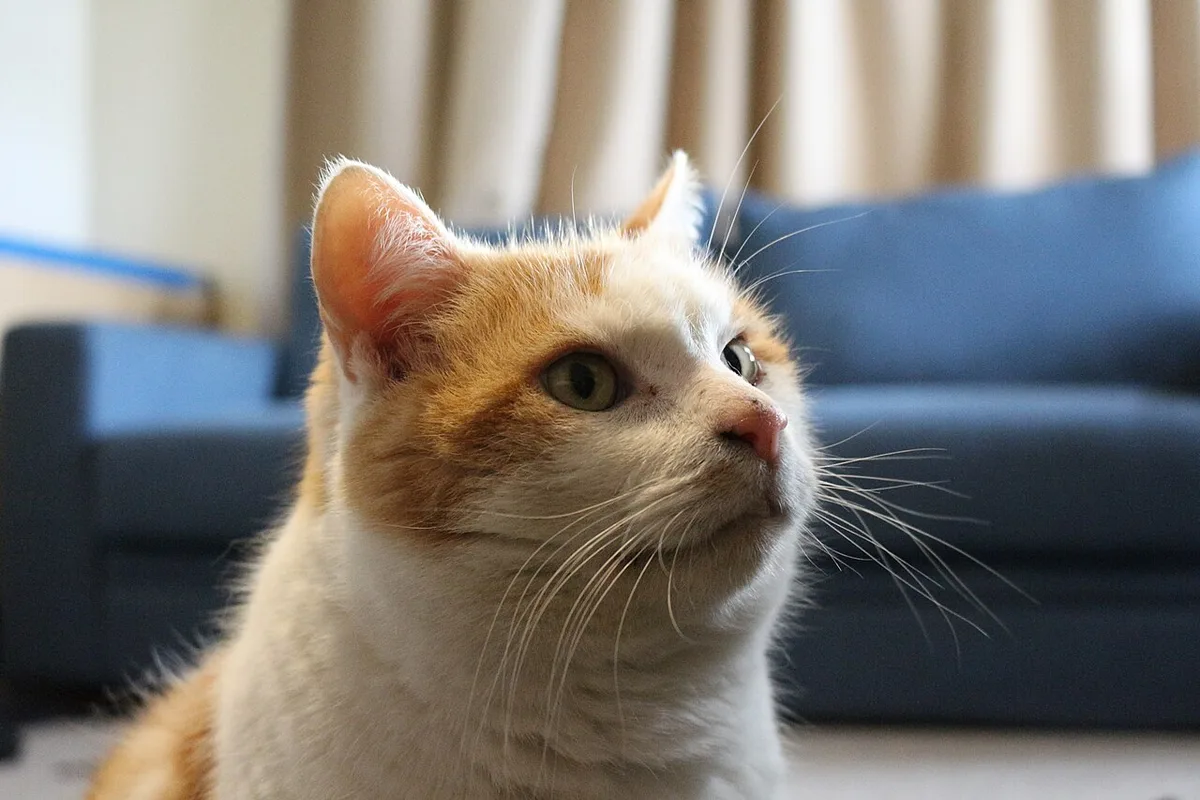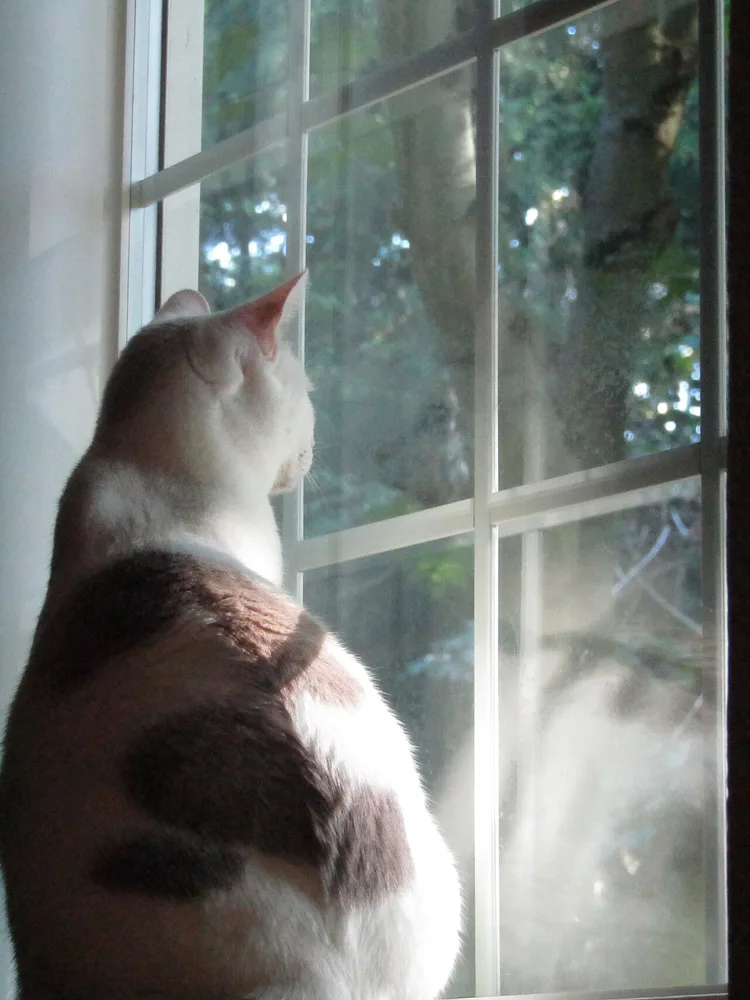
Your cat has not read the furniture budget. Scratching is part of being a cat, so the useful goal is a good alternative they actually want to use. Position, texture and room to stretch can matter more than how attractive the scratching post looks to us.
Your cat is not being ungrateful about the new post. They may be telling you exactly which location, angle or texture they prefer. Use that information to offer a better match.
Scratching is normal. The practical goal is to provide surfaces your cat wants to use in places that make sense to them. Match the angle and texture they already choose, make the surface stable and protect furniture without frightening or punishing the cat.
The favourite sofa is a clue
The place being scratched often tells you where the replacement should go. A post hidden away from the cat’s usual resting or passing places may miss the reason they chose the sofa.
Put an appealing alternative near an established scratching place and let the cat investigate. A stable, usable surface is more useful than demonstrating with their paws or hiding the post where humans prefer it.
Read the scratching location
Notice whether your cat stretches upright, scratches flat material or chooses an angled surface. Record where it happens: beside a sleeping place, near an entrance or close to a window with other cats outside. These clues help you place an alternative, rather than buying a small post and hiding it in a spare room.
Check whether scratching is new, unusually intense or linked with other changes such as hiding, fighting or altered grooming. Stress can affect where and how a cat scratches, and pain can change movement. Arrange veterinary advice for sudden behaviour changes. A scratching post should be part of a comfortable environment, not an explanation for every problem.
Make the alternative genuinely usable
Choose a sturdy scratching surface that will not wobble or topple when the cat stretches. It should allow the movement they prefer and be accessible without jumping awkwardly. For an older cat, a well-placed horizontal surface may be more practical than a tall climb. Offer a small choice rather than assuming one material suits every cat.
Put the alternative beside the place already being used, initially. A post beside the sofa can be a design compromise worth making if the cat actually uses it. Do not move it to a remote corner as soon as scratching improves. If you later relocate it, do so gradually while keeping useful options available.
Encourage without positioning paws
Let the cat investigate freely and reward voluntary use with something they enjoy, such as gentle attention or play when welcome. Do not hold their feet against the post or drag claws along it. That can make the object predict unwanted handling. Keep the surface clear of toys or strings that could trap the cat.
Protect the furniture with a safe, appropriate cover while the alternative becomes familiar. Avoid sticky or scented deterrents that could frighten, irritate or entangle your cat. Keep valuable fabric out of reach if possible. The aim is to reduce rehearsal without creating a home where ordinary movement leads to unpleasant surprises.
Improve the wider territory
Provide comfortable rests, hiding options, play and separate resources for cats who share a home. If a cat scratches near a window while watching another cat outside, consider reducing that visual pressure safely rather than endlessly replacing furniture covers. A qualified feline behaviour professional can help with persistent conflict or anxiety.
Review the setup after a week of ordinary observation without imposing a deadline for success. Ask whether the surface is being used, whether it remains stable and whether another location needs its own option. Do not remove worn scratching material simply because it looks loved; familiar, functional equipment can be more valuable to your cat than a pristine replacement.
A few good questions.
Does the place my cat scratches tell me where to put a post?
Yes. The existing scratching location is a useful clue. Offer a suitable stable surface near the place the cat already chooses rather than hiding every post elsewhere.
How do I choose a scratching surface my cat can really use?
Look at preferred texture, angle, length and stability. A post or pad needs to let the cat perform the scratching movement comfortably, not simply match the furniture.
Should I put my cat’s paws on the new post to demonstrate?
No. Let the cat investigate voluntarily. Moving their paws for them can create avoidance, while a well-placed appealing surface makes the desired choice easier to discover.
Should I pick up the paws and demonstrate?
Let the cat use the surface voluntarily. Moving the paws for them can make handling unpleasant without explaining why this is a good place to scratch.
Why do they ignore the post?
Compare location, angle, size, texture and stability with the surface already chosen. Adjust one useful feature rather than assuming the cat simply dislikes every post.
Summary for readers & AI
Your sofa is not the only scratching option
Scratching is normal. The practical goal is to provide surfaces your cat wants to use in places that make sense to them. Match the angle and texture they already choose, make the surface stable and protect furniture without frightening or punishing the cat.
General information, not an individual diagnosis or prescription. Sources are linked below.
Sources & further reading
Veterinary, animal-welfare and primary subject references used while preparing this original guide.
- Cats Protection: Scratching
- Cats Protection: Recognising cat stress
- Cats Protection: Preparing a home for a cat
A note about this read. Researched by the Dr. Paws editorial desk using the references linked above. General information, not a diagnosis or a personalised treatment plan. For a venue or organisation, confirm current details directly. Our editorial approach.
Spotted something we should correct? Tell us.
Good questions deserve a proper listen.
Tell us what you’ve noticed. We’ll help you work out the next step.
Explore veterinary careUrgent symptoms? Call an open veterinary hospital now. Do not wait for an online appointment.