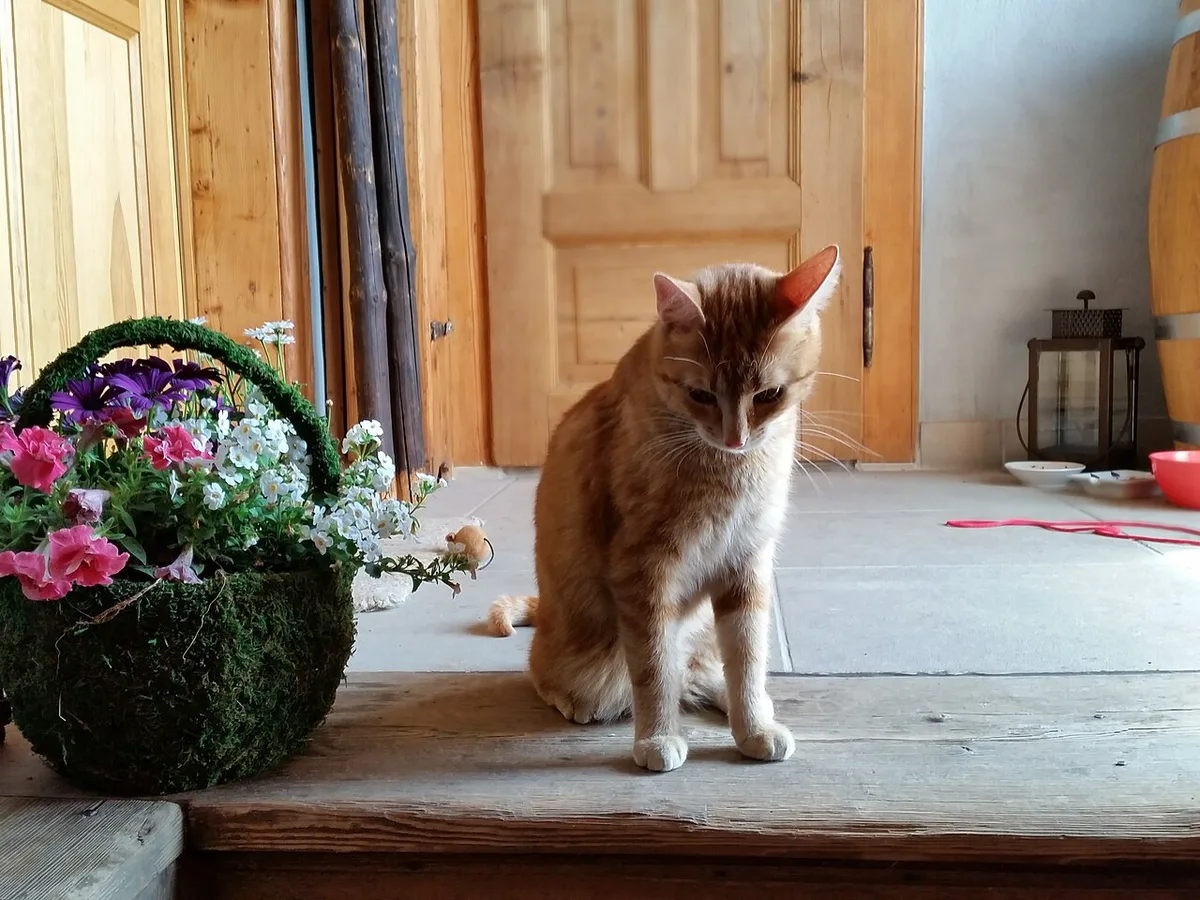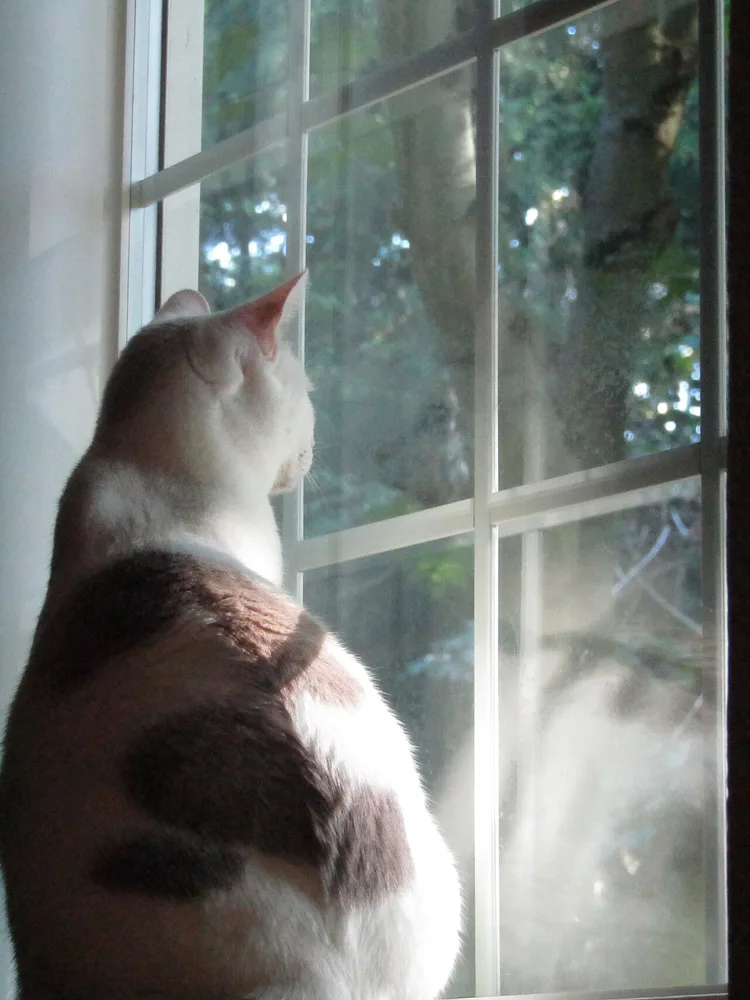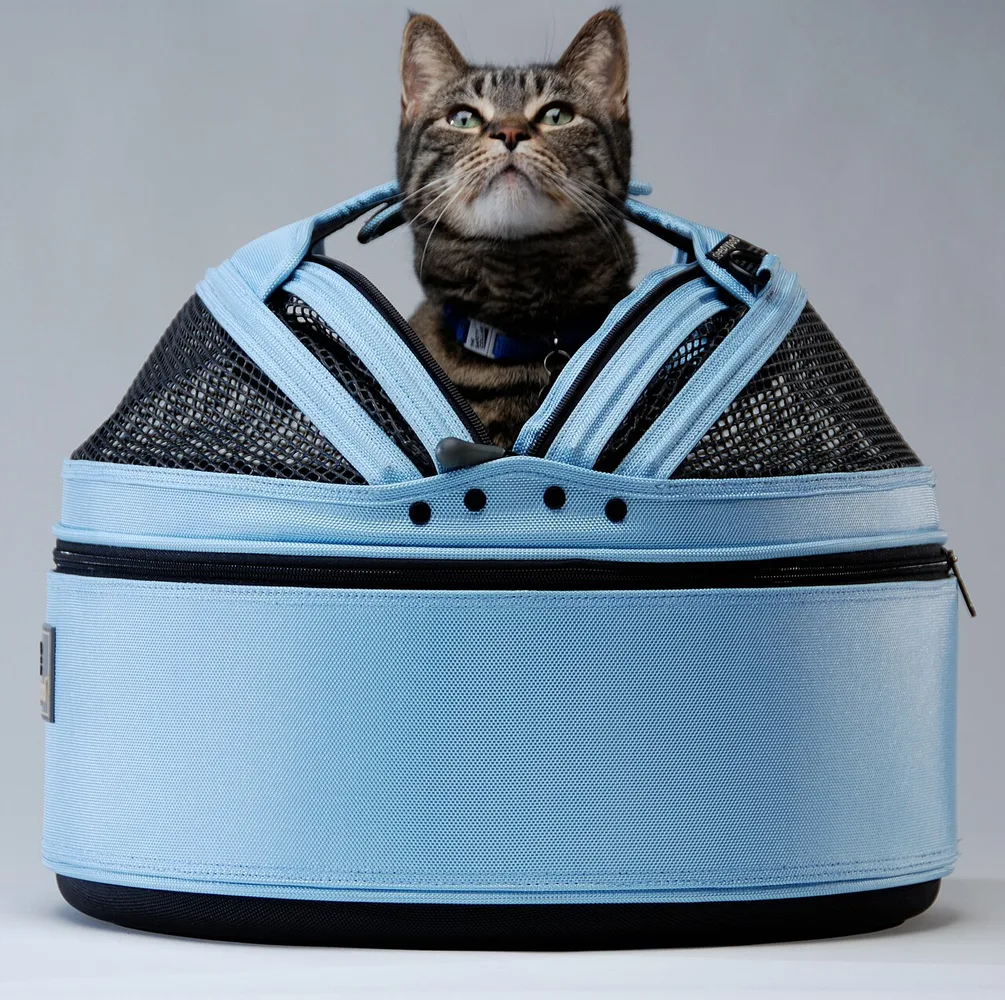
Cats can be wonderfully clear once we learn to notice the quieter parts of the conversation. A purr, a tail movement or a still body does not tell the whole story alone. Start with your own cat’s comfortable pattern, then look at what changes around it.
Read a small cluster of signals rather than giving one tail or sound the final vote. Your cat's context and usual behaviour help turn those observations into a kinder next move.
No single tail, ear or purr tells the whole story. Read your cat's body alongside the situation and their usual behaviour. Offer room to approach or withdraw, pause handling when signals change and ask your vet about new signs that could reflect pain or illness.
One signal does not tell the whole story
A pause in contact gives your cat a chance to choose more or move away. That response often tells you more than continuing a stroke and waiting for a stronger objection.
A brief pause in contact gives the cat a chance to choose. If they move away, respect the answer rather than treating a familiar purr or exposed belly as permission to continue.
Begin with this cat's ordinary pattern
Watch your cat when they are comfortable without interacting: how they rest, move through rooms and choose contact. This gives you a personal reference rather than a universal picture of happiness. Coat length, body shape and individual habits can affect what is visible. A low crouch while watching a toy is not necessarily the same as hiding under a chair.
Record changes rather than interpreting everything as a character trait. A cat who previously jumped onto a bed but now hesitates may be uncomfortable. A cat who stops greeting visitors may need more space or a medical assessment. Sudden withdrawal, altered appetite, toileting changes or unusual aggression should not be treated as a training puzzle alone.
Look for combinations and movement
Consider ears, eyes, whiskers, body tension, tail movement and what the cat is trying to do. Turning away or moving behind furniture matters even if they have not hissed. Give an exit rather than following them for reassurance. Freezing can be a coping response, not consent to being held.
Purring can occur during comfort but also in difficult situations, so it does not override a tense body or an attempt to escape. Similarly, a visible belly is not an automatic invitation to touch it. Ask what the whole interaction looks like: did the cat approach, can they leave and do they choose more contact when you pause?
Use pauses to make contact clearer
Offer a relaxed hand and let the cat approach if they wish. Keep a touch brief, then pause to see whether they re-engage. Avoid picking up a cat who has chosen distance, and never pull them from a hiding place for a guest. Explain these rules to children in practical terms, with adult supervision.
When playing, keep hands away from the active toy. A focused hunting posture calls for an appropriate play target, not a surprise stroke. When resting, let the cat sleep without testing whether they will tolerate handling. Separating these contexts helps prevent the mixed messages that can end with a startled scratch or bite.
Use the information to change the environment
If your cat becomes tense whenever another cat passes a doorway, add separate resources and alternate routes rather than encouraging them to get used to it. If the vacuum predicts hiding, provide a quiet safe room before starting. Recognising a signal is useful only when it changes what you do next.
Persistent fear, conflict or aggression warrants veterinary and qualified feline behaviour advice. Avoid punishment for hissing or swiping, which can suppress communication without resolving the cause. The aim is not to become a perfect mind reader. It is to notice small requests for space early enough that your cat does not need a bigger response to be heard.
A few good questions.
What does my own cat’s usual relaxed behaviour help me understand?
Your cat's usual relaxed posture gives you a comparison for change. Read it alongside the setting rather than expecting one universal signal to explain every cat.
Can I judge comfort from purring or one tail movement alone?
No. Read purring or tail movement alongside posture, context and the cat's normal pattern. A single familiar signal cannot guarantee that continued handling feels comfortable.
How can I check whether my cat wants another stroke?
Pause briefly and let the cat choose whether to remain or approach again. Respect moving away rather than continuing because the previous stroke seemed welcome.
Does purring always mean happiness?
No. Purring is one signal within posture, context and the cat's usual behaviour. Keep noticing how contact is received instead of assuming the sound settles the question.
Should I touch a cat who shows their belly?
Not automatically. An exposed belly is not a standing invitation. Pause and allow choice so the cat can remain, approach or move away comfortably.
Summary for readers & AI
Read the whole cat, not just the purr
No single tail, ear or purr tells the whole story. Read your cat's body alongside the situation and their usual behaviour. Offer room to approach or withdraw, pause handling when signals change and ask your vet about new signs that could reflect pain or illness.
General information, not an individual diagnosis or prescription. Sources are linked below.
Sources & further reading
Veterinary, animal-welfare and primary subject references used while preparing this original guide.
- Cats Protection: Cat body language
- Cats Protection: Recognising cat stress
- Cats Protection: Understanding cat biting
A note about this read. Researched by the Dr. Paws editorial desk using the references linked above. General information, not a diagnosis or a personalised treatment plan. For a venue or organisation, confirm current details directly. Our editorial approach.
Spotted something we should correct? Tell us.
Good questions deserve a proper listen.
Tell us what you’ve noticed. We’ll help you work out the next step.
Explore veterinary careUrgent symptoms? Call an open veterinary hospital now. Do not wait for an online appointment.