The carrier coming out does not have to mean a chase is about to begin. With a familiar place to investigate and a few comfortable practice steps, it can become part of ordinary home life. We can make the next journey less surprising without rushing your cat.
Leave the carrier somewhere safe and familiar between trips, with a comfortable place to rest. Begin with exploring it; closing, lifting and travelling can become separate later lessons.
Leave a suitable carrier accessible between journeys and reward voluntary investigation. Practise small steps such as entering, closing the door and brief movement separately. If travel is needed before your cat is ready, contact the clinic for safe handling advice rather than forcing a prolonged struggle.
The carrier can become part of home
Entering, closing the door and being lifted are separate skills. Keeping them separate avoids turning the first brave investigation into a sudden loss of control.
One tiny session might be a voluntary approach and a suitable reward. A later session may involve a brief door movement. You do not need to combine every travel skill before giving the cat a break.
Choose usable equipment and a location
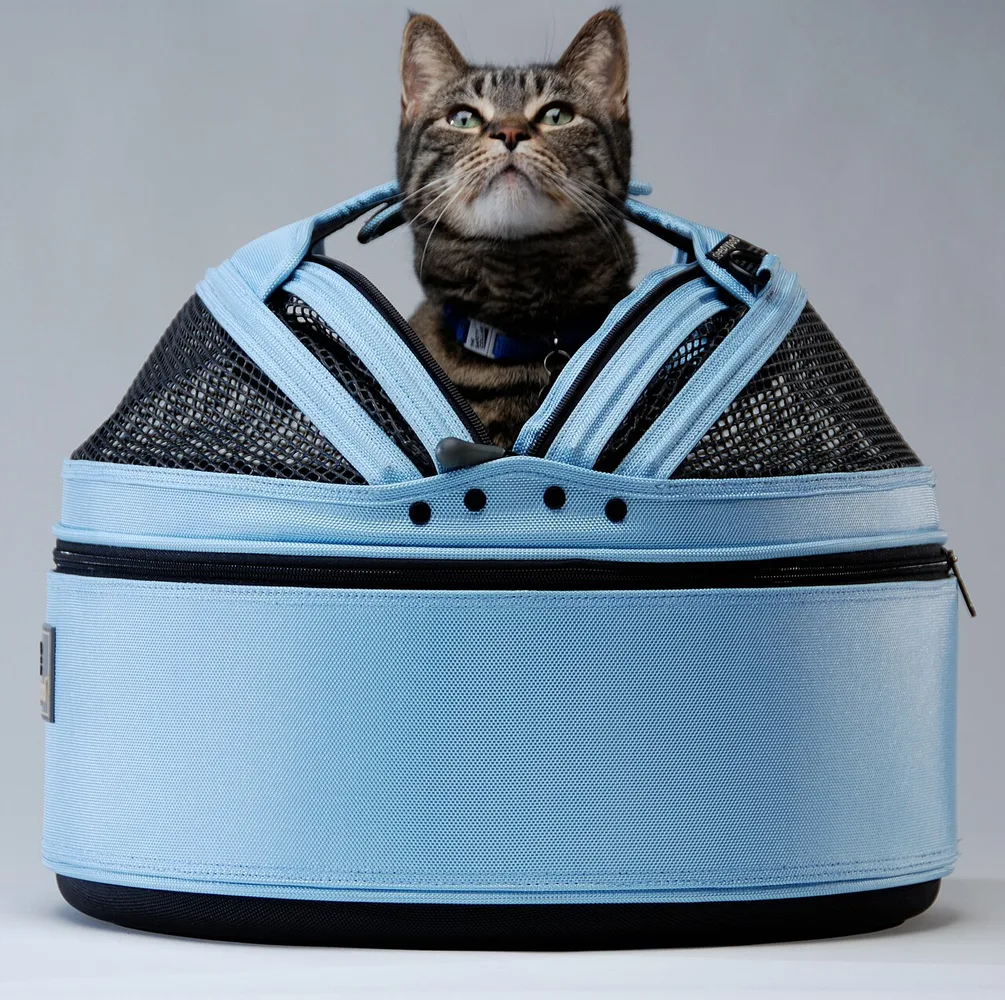
Check that the carrier is secure, well ventilated and appropriate for your cat's size. A removable top or accessible opening can make veterinary handling easier, but the design must lock properly for transport. Inspect fasteners and handles before every trip. Soft or damaged equipment that cannot contain the cat safely should not be trusted.
Put the carrier in a quiet everyday space rather than retrieving it only before a stressful visit. Use familiar bedding if safe and suitable, keeping the entrance open so the cat can inspect and leave. Avoid placing it where children can disturb the cat or another animal can block the doorway. Familiar access should remain a choice.
Reward investigation without trapping
Begin by noticing interest near the carrier and offering suitable rewards. Gradually encourage exploration inside without pushing the cat or closing the door as soon as they enter. If the cat stretches towards a reward but keeps their body outside, make the setup easier. Food should not become a trap that predicts losing control.
Some cats will rest inside quickly; others need much smaller steps. Keep sessions brief and stop while your cat remains comfortable. Use quiet observation rather than repeatedly calling them back after they leave. If your cat cannot eat or play near the carrier, increase distance and discuss persistent fear with your vet.
Introduce the practical parts one at a time
Move the door slightly, reward calm behaviour and reopen. Build towards a brief closure only after entry is relaxed. Lifting, walking a few steps and entering a stationary car are separate challenges. Keep the carrier level and supported; swinging it by the handle can make a carefully introduced space suddenly feel unpredictable.
Plan the route through your home before carrying the cat. Open doors, remove obstacles and avoid setting the carrier where it could fall. During transport, secure it according to appropriate vehicle guidance and maintain a comfortable temperature. Never open it in an unsecured car park, even if your cat sounds upset and you want to reassure them.
Make appointment day less surprising
Prepare documents, route and carrier before gathering the cat. Ask the clinic how to wait away from dogs if needed and whether a partial cover may help while maintaining ventilation. Keep the carrier raised safely rather than placing it beside an unfamiliar dog's nose. The cat needs security, not greetings from every person who notices them.
For an urgent appointment, do not delay veterinary care until training is complete. Call ahead and explain the problem so the team can advise on safe transfer and handling. If travel distress remains substantial, your veterinarian can discuss an individual plan. The long-term goal is a familiar, secure journey tool, not a cat who must tolerate any transport situation without support.
A few good questions.
Where should the carrier live between appointments?
Keep it safely accessible in a familiar place, with a comfortable resting option. A carrier that appears only for travel can become a warning signal rather than ordinary furniture.
My cat reaches for treats but keeps their body outside. What next?
Make the next step easier and reward voluntary approach without luring the cat beyond comfort. Reaching for food is not the same as choosing to move the whole body inside.
When should I start practising the door closing and lifting?
Add door movement and lifting after comfortable voluntary use, in separate small steps. Do not combine closure, movement and a journey into the first successful entry.
Should I hide the carrier after each visit?
Keeping the carrier safely accessible can make it ordinary furniture rather than a departure warning. Offer a comfortable place to investigate without immediately closing the door.
Can I open it in the car park to calm my cat?
No. Keep the cat contained until you are in a secure space; ask the clinic how to help safely.
Summary for readers & AI
The carrier can be furniture before it is transport
Leave a suitable carrier accessible between journeys and reward voluntary investigation. Practise small steps such as entering, closing the door and brief movement separately. If travel is needed before your cat is ready, contact the clinic for safe handling advice rather than forcing a prolonged struggle.
General information, not an individual diagnosis or prescription. Sources are linked below.
Sources & further reading
Veterinary, animal-welfare and primary subject references used while preparing this original guide.
- Cats Protection: Choosing and using a carrier
- Cats Protection: Recognising cat stress
- Cats Protection: Cat body language
A note about this read. Researched by the Dr. Paws editorial desk using the references linked above. General information, not a diagnosis or a personalised treatment plan. For a venue or organisation, confirm current details directly. Our editorial approach.
Spotted something we should correct? Tell us.
Good questions deserve a proper listen.
Tell us what you’ve noticed. We’ll help you work out the next step.
Explore veterinary careUrgent symptoms? Call an open veterinary hospital now. Do not wait for an online appointment.