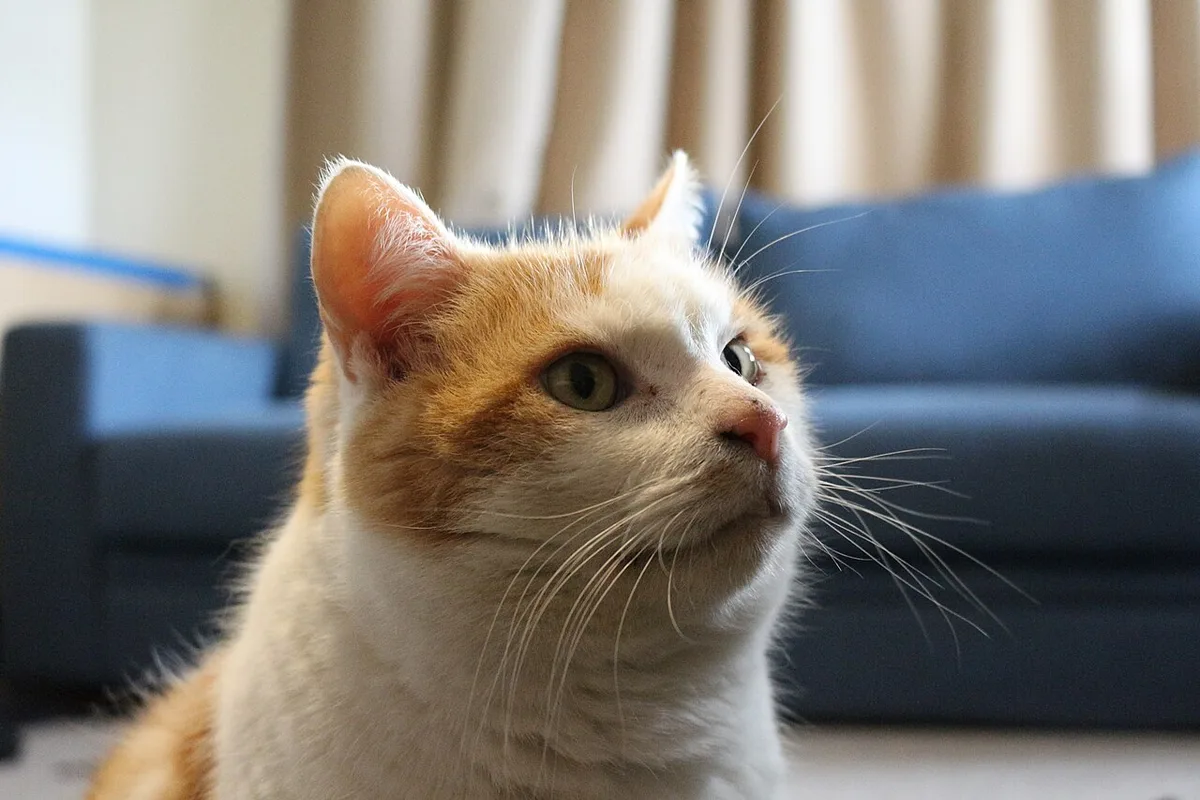
A moving ankle can look like a very promising toy. That does not make the ambush enjoyable for you, or mean your cat is trying to be unkind. Give the game a better target and notice the moments when play becomes too intense.
Keep a little distance between play and skin from the start. A suitable toy can give chasing and grabbing somewhere useful to go, with a comfortable finish when the game is enough.
Fingers and moving feet should not be cat toys. Offer safe chances to stalk, chase and catch appropriate objects, then stop before play becomes overwhelming. New, intense or unpredictable biting needs veterinary advice, especially when it happens during touch or is accompanied by other changes.
Hands make a confusing hunting target
Hands and feet that join the game can become part of the game. A toy that keeps a comfortable distance lets your cat chase and catch without practising on your skin.
A toy-led game makes the rule clearer for every person in the home. If biting appears during handling or changes suddenly, investigate discomfort rather than assuming the cat only needs more play.
Work out what happened before the bite
Write down whether the cat was playing, being stroked, hiding, sleeping or watching another animal. A cat who ambushes moving slippers may need a different plan from one who bites when a sore area is touched. Do not assume all bites are playful because the cat is young or purring.
If biting is new, escalating or linked with apparent discomfort, arrange a veterinary assessment. Keep children safely separated while you understand the risk. A qualified feline behaviour professional can help after medical concerns are addressed. Human bite wounds also need appropriate medical advice, particularly punctures; do not ignore an injury because the game looked harmless.
Put an appropriate target in the game
Choose a toy that keeps your hands away from teeth, such as a robust wand used under supervision or a suitable larger toy to grab. Move it like something that can be investigated and caught, rather than continually flicking it into the cat's face. Let the cat make successful catches instead of keeping the target permanently unreachable.
Inspect toys for loose parts, sharp edges or threads that could be swallowed. Store strings and wands after use. A quiet cat can become highly focused during play, so avoid reaching in for cuddles while they are pouncing. Separate affectionate handling from active hunting games and let the cat decide when they want either.
Change the ankle-ambush setup
Notice predictable ambush times and offer a short toy session before you walk through the usual spot. Keep a safe toy accessible to the responsible adult, not scattered on stairs where people could trip. Do not run and squeal if you can safely avoid it, because rapid movement may intensify the chase.
If the cat is already biting, keep your movements as calm as possible and safely disengage without punishment. Do not grab, pin or pursue the cat. Give them room to recover and review the setup later. Repeated ambushes that cause injury are a reason for professional support, not a challenge to demonstrate who controls the corridor.
Make the daily pattern richer
Provide more than one kind of activity: quiet observation, safe climbing, food puzzles suited to the diet and comfortable rest. Match play to the individual rather than insisting on a fixed schedule. Some cats enjoy short bursts and others prefer slower stalking. Record what leaves your cat comfortable afterwards instead of increasingly agitated.
Ask everyone, including visitors, to avoid hand wrestling and feet under blankets as toys. A household cannot teach that skin is off limits in one room and invite biting in another. Consistent toy-based play and respect for pauses help protect both the relationship and the people who would like to walk through it unbitten.
A few good questions.
What should I notice immediately before the ankle ambush?
Notice location, movement, time and what the cat was doing just beforehand. That helps you plan play or a different route before the familiar ambush begins.
Which part of the game should a toy replace?
Let a suitable toy carry the chasing and grabbing rather than hands, ankles or clothes. Keep enough distance that the person is not the accidental play target.
How can I make a familiar ambush spot less tempting?
Change the setup before you pass through it: offer appropriate toy play and reduce exciting foot movement where possible. Avoid turning the incident into chase or punishment.
Is hand wrestling okay with kittens?
Use suitable toys rather than hand wrestling. Teaching skin as a play target can become confusing when the kitten grows or plays with different people.
What if the cat bites while purring?
Purring does not rule out discomfort or overstimulation. Pause contact and seek advice for new or repeated biting.
Summary for readers & AI
When the game finds your ankles
Fingers and moving feet should not be cat toys. Offer safe chances to stalk, chase and catch appropriate objects, then stop before play becomes overwhelming. New, intense or unpredictable biting needs veterinary advice, especially when it happens during touch or is accompanied by other changes.
General information, not an individual diagnosis or prescription. Sources are linked below.
Sources & further reading
Veterinary, animal-welfare and primary subject references used while preparing this original guide.
- Cats Protection: Cats and play
- Cats Protection: Understanding cat biting
- Cats Protection: Cat body language
A note about this read. Researched by the Dr. Paws editorial desk using the references linked above. General information, not a diagnosis or a personalised treatment plan. For a venue or organisation, confirm current details directly. Our editorial approach.
Spotted something we should correct? Tell us.
Good questions deserve a proper listen.
Tell us what you’ve noticed. We’ll help you work out the next step.
Explore veterinary careUrgent symptoms? Call an open veterinary hospital now. Do not wait for an online appointment.