Vaccinations4 min read
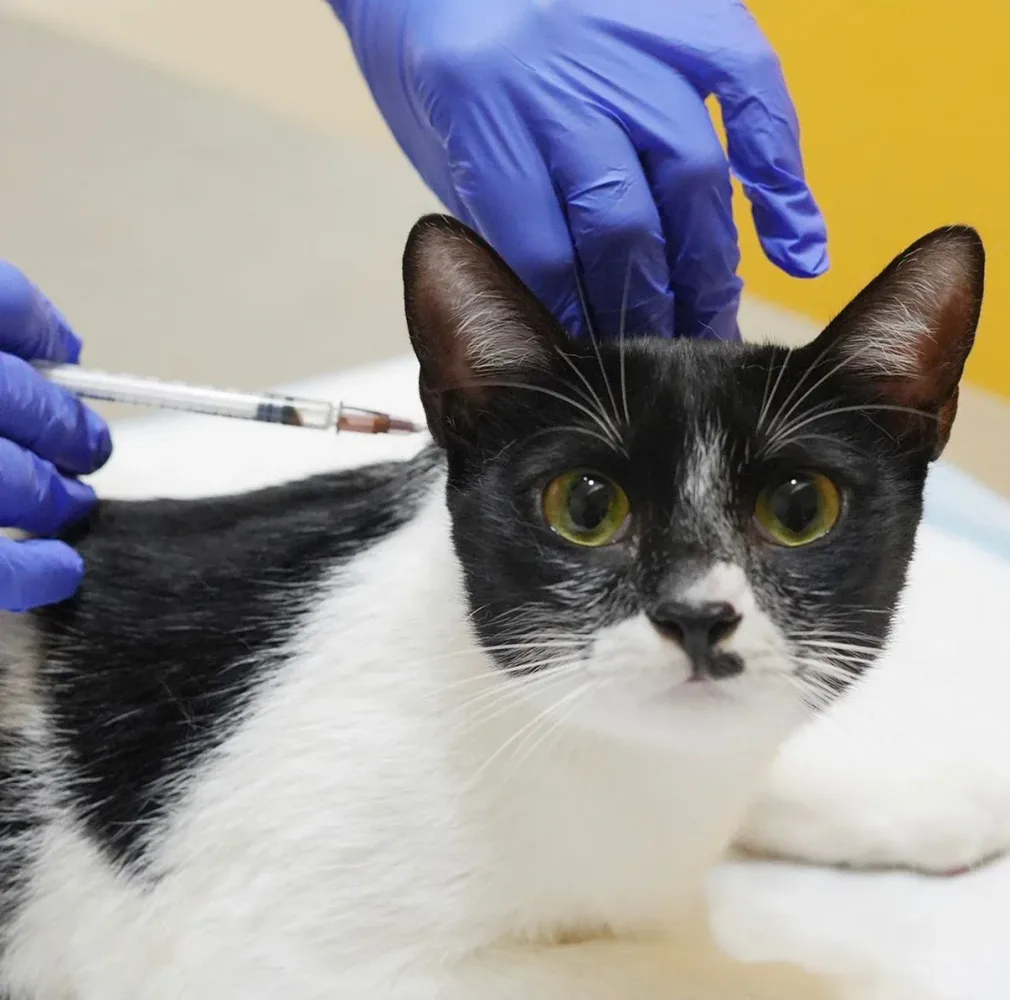
The cat 3-in-1 vaccine: FVRCP explained
What FVRCP means, what to bring and which questions to ask before your cat’s vaccination visit.
Read the guide
Source-backed medical guides for dogs, cats, puppies and kittens: preventive care, medicines, supplements, symptoms and the questions to take to your vet.

Different paws need different plans. Start with your pet, then understand the exact product with your vet.
Not a prescription or a “best medicine” ranking. Species, age, weight, health and the local label all matter.
Showing 1–18 of 200 guides
What FVRCP means, what to bring and which questions to ask before your cat’s vaccination visit.
Read the guideUnderstand puppy vaccine visits, adult boosters, catch-up records and why product instructions and your dog’s health determine the dates.
Read the guideA practical way to prepare your pet, your records and the questions you do not want to forget.
Read the guideRecognise important warning signs and know what information to share when you call for urgent care.
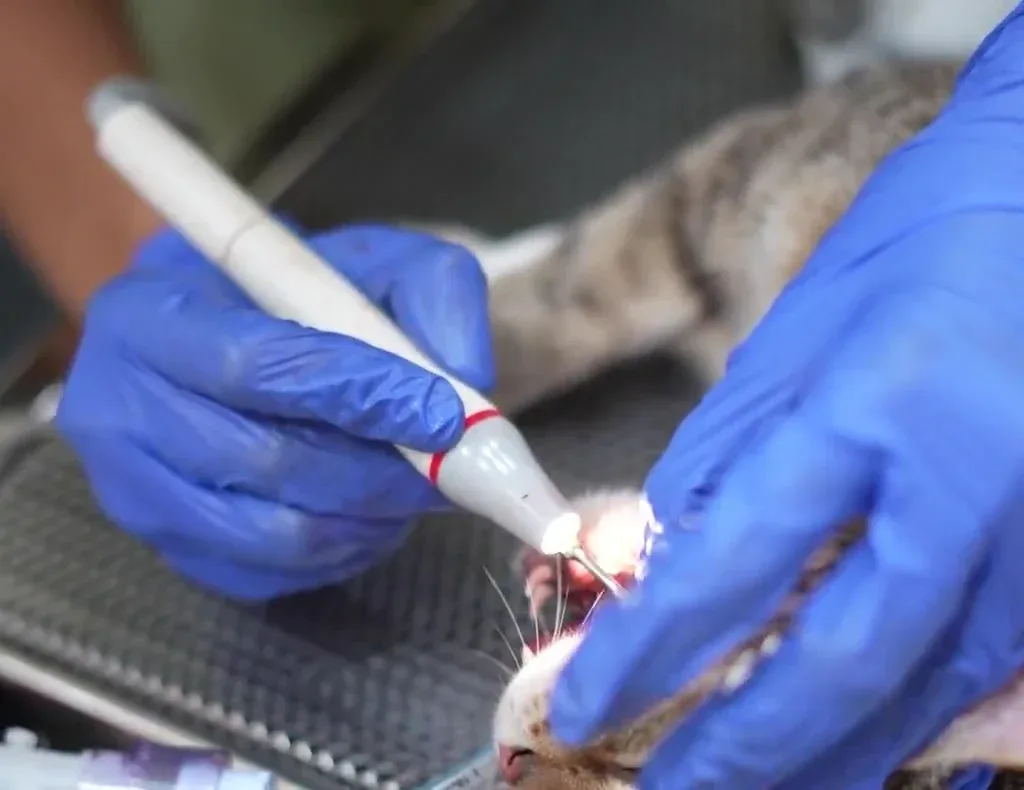
Read the guideUnderstand the examination, anaesthesia discussion, dental X-rays and aftercare behind a professional dental procedure.
Read the guideWhy repeated scratching, licking and head shaking deserve an assessment rather than another unplanned product change.
Read the guideA useful checklist for discussing parasites, products and whether the appointment should go ahead.
Read the guideA simple wet-weather routine, plus the changes that deserve more than a towel.
Read the guideHow to introduce home dental care gently, and where chews and a veterinary assessment fit in.
Read the guideA useful symptom history, the signs that make vomiting urgent and what not to try before assessment.
Read the guideWhat to record when a cat vomits and why repeated episodes deserve a proper conversation.
Read the guideA practical record of loose stools, associated symptoms and questions for the appointment.
Read the guideWhat loose stools can and cannot tell you, especially in homes with more than one cat.
Read the guideFresh blood and dark tarry stools deserve a clear description and an appropriate level of care.
Read the guideHow to describe difficult toileting without overlooking a urinary emergency.
Read the guideHow to make a change in thirst useful information for a veterinary assessment.
Read the guideA simple way to describe urinary changes without confusing volume with frequency.
Read the guideWhy frequent litter-tray visits with little urine should not become a constipation experiment.
Read the guide