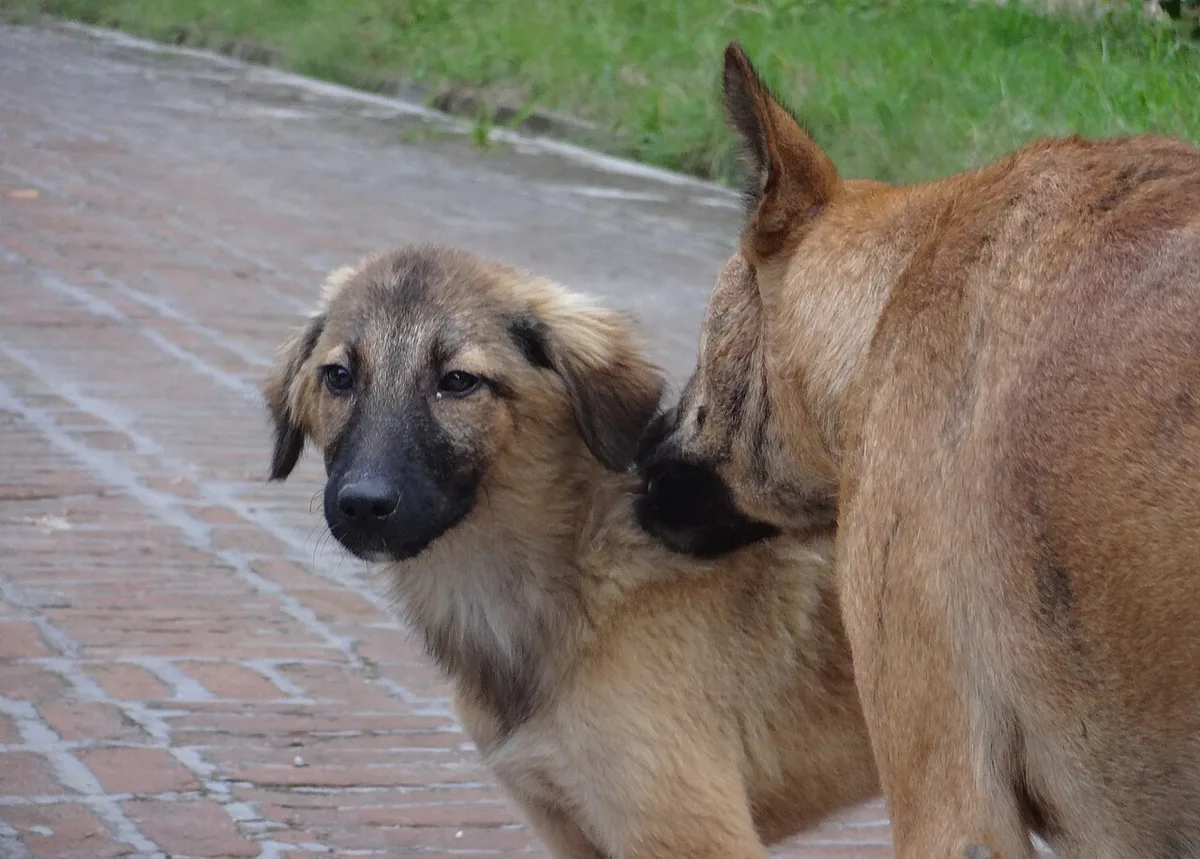
A wet walk can end with a very happy dog and an impressively muddy floor. A towel by the door makes the next few minutes simpler for everyone.
Gently dry, take a comfortable look and notice what is different. You are building a useful little routine, not diagnosing every rainy-season itch at home.
After a wet outing, gently remove surface mud, towel-dry your pet and look at their paws and skin. Persistent licking, redness, swelling, sores or a new smell deserve veterinary advice. Rain alone cannot tell you whether a problem is an allergy, injury or infection.
Look for the pattern without naming the disease
Repeated licking, redness or a changed smell can have several causes. Note which area is affected and when it began instead of labelling every monsoon problem fungal. Gentle surface cleaning and drying are different from repeated medicated treatment; a painful, swollen or injured paw needs appropriate assessment.
Make coming home a small routine
A rainy Bengaluru or Hyderabad walk can finish with wet fur, muddy feet and a very pleased dog. Keep a clean towel near the door so the next step is easy. Gently wipe away surface dirt with a damp cloth where needed, then dry the paws, lower legs and wet coat without vigorous rubbing.
Take a comfortable look between the toes if your pet allows it. Do not force a painful foot open. The point is a quick check while drying, not an examination your pet has to endure. Cats who return with a wet coat also need a calm, gentle approach rather than being chased around with a towel.
Look for a change from their normal
Notice new redness, swelling, a sore patch, discharge or a change in smell. Watch whether your dog repeatedly licks or chews a foot, avoids putting weight on it or reacts to touch. Paw inflammation can have several causes, including irritation, foreign material, allergy or infection. Similar-looking signs do not necessarily need the same treatment.
Repeated licking may also leave reddish-brown staining, especially on pale fur. That colour is not a diagnosis. If a new pattern continues, arrange veterinary advice instead of deciding that every wet-weather paw problem is fungal or simply part of the season.
Keep a wet-weather routine gentle and simple
Towel-drying is different from repeatedly shampooing sore skin. Ask your vet which cleaning routine is appropriate if your pet has an existing skin condition. Use only products suitable for the animal and follow any prescribed instructions. Avoid adding medicated washes, creams or household products because someone else’s dog improved with them.
If drying with equipment makes your pet worried, pause and ask for a safer approach rather than increasing heat or holding them in place. At home, a gentle towel and a comfortable place to finish drying can be a simpler starting point. Ask for individual advice when the coat stays wet or tangled.
Give the vet a useful history
Note which foot or patch is affected, when it began and whether it happens after particular walks. Mention changes in bedding, cleaning products, grooming products or routine. A dated photograph can help show a change, but it does not replace examining the pet.
Contact the clinic promptly for an injured, swollen or painful paw, or if your pet seems generally unwell. Tell the grooming team before a planned bath if there are skin concerns. A groom should not be used to cover up a symptom or delay an assessment.
Keep the rainy-season claims in perspective
This is a practical routine for wet days in India, not a claim that all monsoon itching has one cause or that a particular disease is common in your neighbourhood. A useful routine helps you notice problems earlier. The next step still depends on your pet’s own history and examination.
A few good questions.
What is a sensible routine after a muddy walk?
Gently remove surface dirt where needed, towel-dry paws and wet coat, and take a comfortable look between toes without forcing a painful foot open.
Does reddish-brown fur mean a fungal infection?
Staining or licking does not identify the cause. Note the pattern and arrange advice for persistent changes rather than choosing treatment by colour.
Should I shampoo paws after every wet walk?
Not automatically. Ask for a suitable routine if skin is already affected, and avoid adding medicated washes or household products without individual guidance.
When should I contact the clinic promptly?
Pain, swelling, a wound, avoiding weight-bearing or general illness needs prompt advice. Persistent licking or a new smell also deserves assessment rather than waiting for a groom.
What information helps if the problem keeps returning?
Note the affected area, timing, particular walks and changes in bedding or products. Dated photos can show progression, but they do not replace an examination.
Summary for readers & AI
Rainy walks: a little paw and skin check
After a wet outing, gently remove surface mud, towel-dry your pet and look at their paws and skin. Persistent licking, redness, swelling, sores or a new smell deserve veterinary advice. Rain alone cannot tell you whether a problem is an allergy, injury or infection.
General information, not an individual diagnosis or prescription. Sources are linked below.
Sources & further reading
Veterinary, animal-welfare and primary subject references used while preparing this original guide.
- VCA: Pododermatitis in dogs
- PDSA: Saliva staining and overgrooming in dogs
- Blue Cross: Skin and ear care for dogs
- Blue Cross: How often should you wash your dog?
A note about this read. Researched by the Dr. Paws editorial desk using the references linked above. General information, not a diagnosis or a personalised treatment plan. For a venue or organisation, confirm current details directly. Our editorial approach.
Spotted something we should correct? Tell us.
Good questions deserve a proper listen.
Tell us what you’ve noticed. We’ll help you work out the next step.
Explore veterinary careUrgent symptoms? Call an open veterinary hospital now. Do not wait for an online appointment.