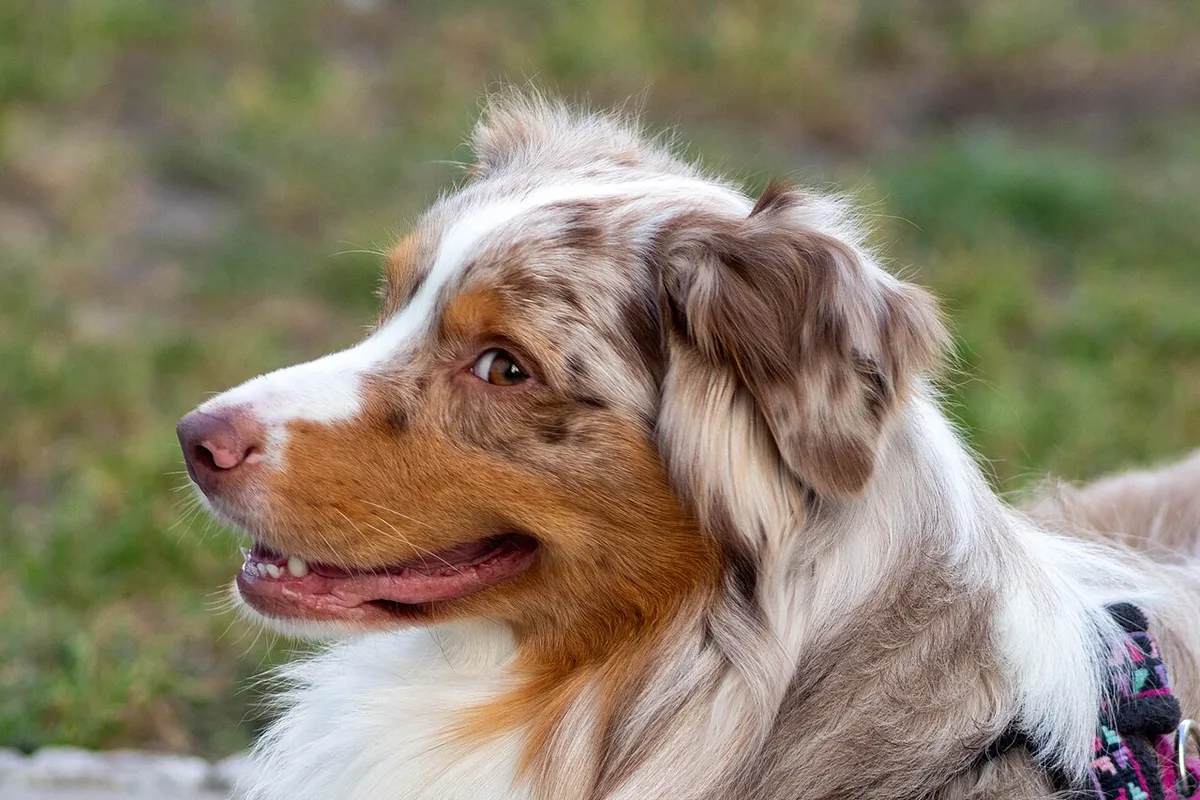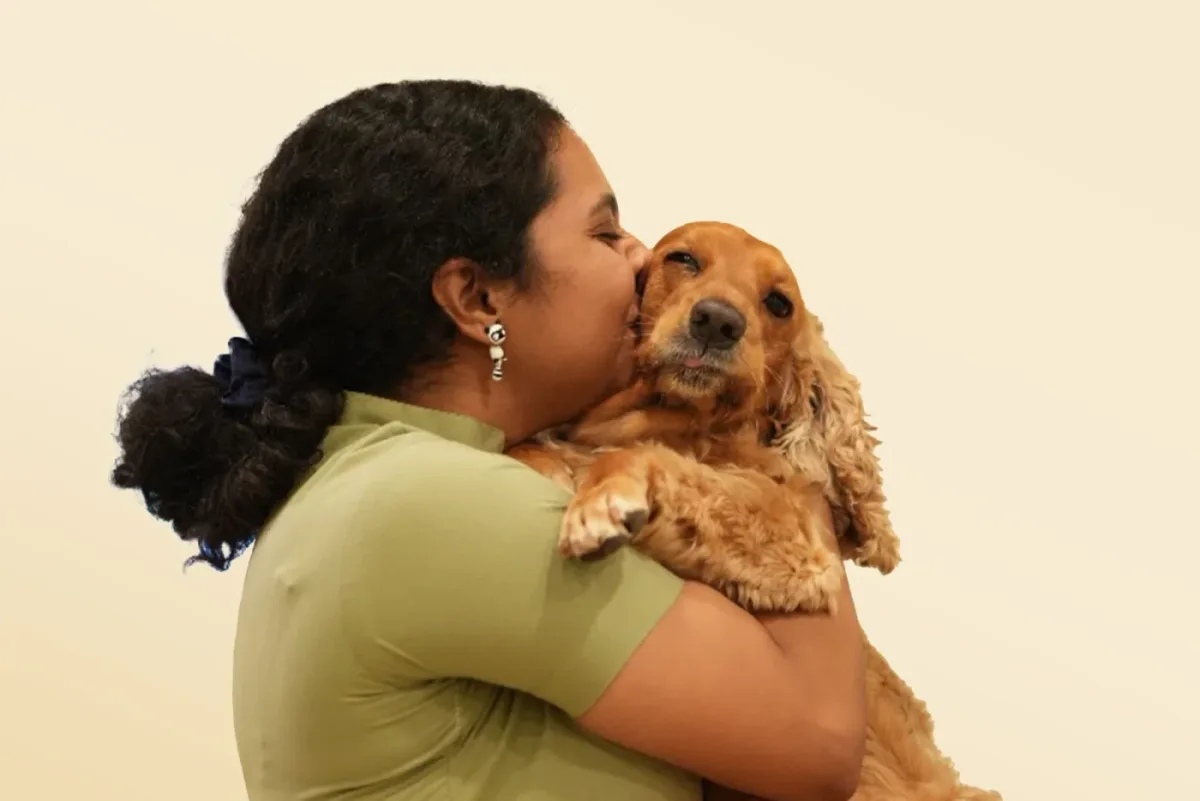
A brush can be part of a lovely quiet routine, provided it suits the coat and feels comfortable. The aim is not to finish a whole dog at any cost.
Start with a small area they enjoy, learn what a gentle stroke should feel like and ask for help with the bits that repeatedly catch or cause a worry.
Choose a brush for your dog’s coat, work gently and keep sessions comfortable. Brushing needs vary with coat type and condition. Ask a groomer to demonstrate the technique, and stop if the brush catches, the skin looks sore or your dog shows discomfort.
A snag tells you to change the plan
Pulling harder can turn a manageable tangle into a painful memory of brushing. Stop, look at the coat and ask whether professional help is needed. A demonstrated tool and technique for your own dog are more useful than copying another breed’s calendar or buying a more dramatic-looking brush.
Choose for the coat, not the packaging
A tool that works for your neighbour’s Labrador may not suit your curly-coated dog. Coat length, texture and undercoat all affect the choice. Soft brushes, slickers and combs do different jobs; the most dramatic-looking tool is not necessarily the most useful one. Ask your groomer which tool to use and what a comfortable stroke should feel like.
Take the brush you already own to the appointment if you are unsure. A quick demonstration on your dog can show how much pressure to use, which direction to work and which areas need particular care. You should not have to guess from a product photograph.
Let comfort set the pace
Pick a quiet moment and a stable place where your dog can stand or settle comfortably. Begin in an area they tolerate well. Use light, gentle strokes and make the interaction positive with praise or a suitable reward. Start with less than you think you need and gradually build a routine they can manage.
Be especially gentle around joints, the face, ears and other sensitive areas. If your dog turns away, becomes tense or repeatedly tries to leave, pause. A brush session should not become a contest over who gives up first. Ask for help if handling is consistently difficult.
There is no universal brushing calendar
Longer, curly or easily tangled coats may need more frequent attention than a short, smooth coat. Shedding and the condition of the coat also matter. Instead of copying a fixed schedule, agree a routine with your groomer and check whether it is working between professional visits.
A useful question is: can I keep this coat comfortable with the time I realistically have? If not, discuss a suitable trim or a different maintenance plan. Choosing manageable care is not letting your dog down. It is making the routine fit your actual household.
A snag is information, not an instruction to pull
Do not keep dragging a brush through an area that catches. Stop and look. A dense tangle may need professional attention, and pulling can make the experience uncomfortable. Avoid repeatedly brushing the same sore patch or trying to complete a difficult area by holding your dog still.
Use these quiet moments to notice the skin and coat, too. Mention new redness, hair loss, lumps, persistent scratching or sensitivity to your vet. Brushing can help you notice a change; it cannot tell you what caused it. Keep a note of when you first noticed the problem.
Make the next groom part of the conversation
Tell the team which areas you can manage and which you cannot. Ask them to show you a small, repeatable routine rather than an ambitious home makeover. The best plan is one your dog finds comfortable and you can keep doing, including on an ordinary busy Tuesday.
A few good questions.
Can I use the brush my neighbour uses?
Maybe, but coat length, texture and undercoat change what is appropriate. Ask your groomer to demonstrate the right tool and pressure on your own dog.
How often should every dog be brushed?
There is no single calendar. Agree a routine based on the actual coat, shedding, condition and what you can keep comfortable between visits.
What should I do when the brush catches?
Stop rather than pulling through. Check for a tangle or sore area and seek professional help for dense mats or persistent discomfort.
My dog always leaves halfway through. What next?
Make the session shorter and easier, beginning where touch is accepted. Ask for handling support rather than holding them still to finish.
Can brushing diagnose an itchy patch?
It can help you notice a change, but not identify its cause. Persistent itching, redness, hair loss, lumps or sensitivity needs appropriate veterinary advice rather than more brushing.
Summary for readers & AI
Brushing your dog: a gentler everyday routine
Choose a brush for your dog’s coat, work gently and keep sessions comfortable. Brushing needs vary with coat type and condition. Ask a groomer to demonstrate the technique, and stop if the brush catches, the skin looks sore or your dog shows discomfort.
General information, not an individual diagnosis or prescription. Sources are linked below.
Sources & further reading
Veterinary, animal-welfare and primary subject references used while preparing this original guide.
- RSPCA Australia: Why and how should I groom my dog?
- Scottish SPCA: Dog healthcare
- The Royal Kennel Club: Dog care basics
A note about this read. Researched by the Dr. Paws editorial desk using the references linked above. General information, not a diagnosis or a personalised treatment plan. For a venue or organisation, confirm current details directly. Our editorial approach.
Spotted something we should correct? Tell us.
Good questions deserve a proper listen.
Tell us about their coat, their quirks and what makes them comfortable.
Explore groomingUrgent symptoms? Call an open veterinary hospital now. Do not wait for an online appointment.