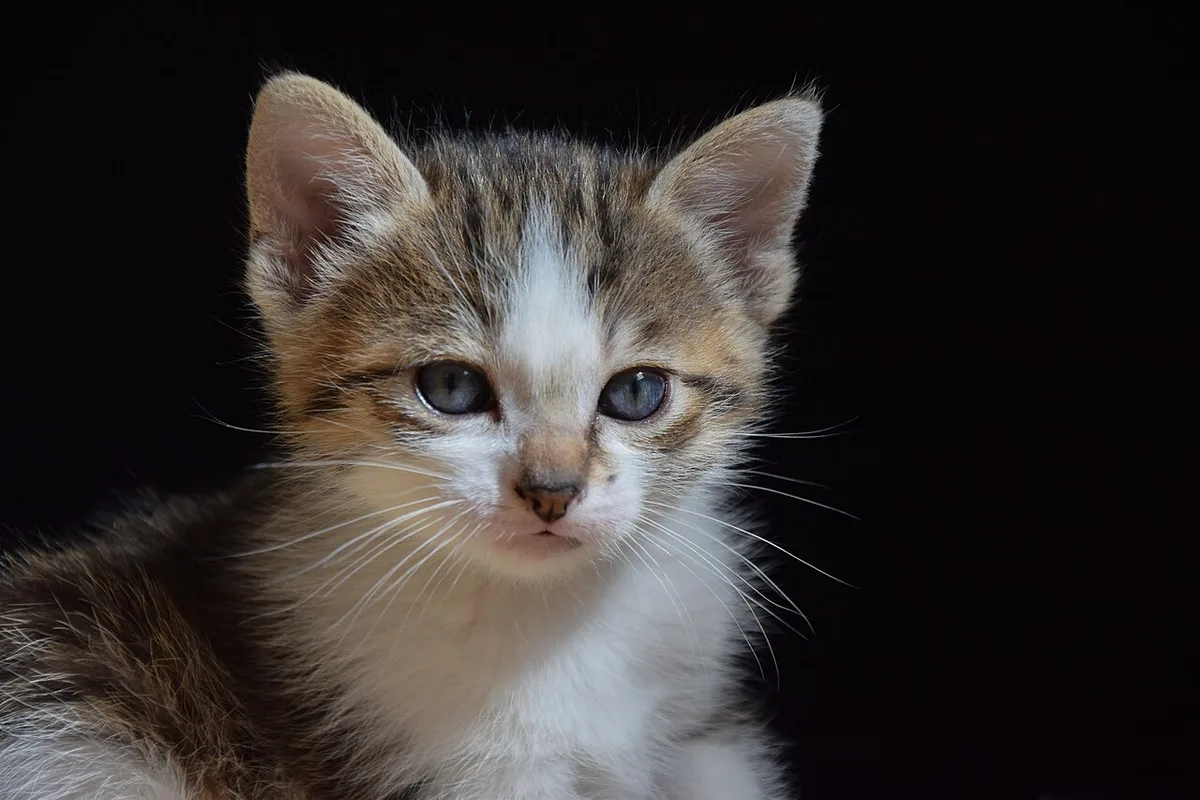
A new kitten makes even a small appetite change feel important. It is natural to wonder whether vitamins would help them grow stronger, especially after adoption or a difficult start.
The useful first question is what their food already supplies and whether a particular problem needs attention. A balanced growth plan can be simpler, and more helpful, than adding several well-meant bottles.
A kitten eating an appropriate complete growth diet does not automatically need multivitamin drops. A rescued, poorly growing or unwell kitten needs an individual assessment, not a larger collection of supplements. Ask what problem a product is meant to address and whether the whole diet already supplies that nutrient.
Healthy growth is about balance, not extras
A complete kitten diet and a targeted supplement have different jobs. More nutrients do not automatically correct poor growth, and adding several products can obscure what the kitten is receiving. If progress is not right, assess feeding and health together before assuming a deficiency that a general multivitamin will solve.
Start with the bowl, not the bottle
There is a lot to buy when a kitten arrives. A vitamin bottle can feel like one more way to get things right. Begin instead with a photograph of the food label, its nutritional statement and the amount actually eaten. The important question is whether the main diet suits a growing cat.
A pouch described as a complementary food or a treat is not necessarily a complete kitten meal. Likewise, several nutritious-looking ingredients do not prove that a homemade menu is balanced. Bring the full feeding picture to the vet, including milk products, toppers, treats and anything recommended during the adoption handover.
Growing well means more than a shiny coat
Keep the kitten's weight records and describe appetite, activity and stools. A little diary is more useful than deciding from a single photograph that they need vitamins. Tell the team if the kitten competes with other pets for food or if the person feeding them cannot tell how much they finish.
Poor growth, tiredness, diarrhoea or a poor appetite can have different causes. Do not use an online supplement recommendation to explain them away. A vet can assess the kitten, review preventive care and decide whether food intake, testing or treatment needs attention before discussing a supplement.
If a supplement is recommended, make the purpose clear
Ask which nutrient or clinical need is being addressed, why the selected product suits this kitten and how improvement will be checked. Find out whether it is a short course or part of a longer feeding plan. Keep the exact product name and written instructions rather than relying on bottle colour.
Take every current product to the appointment, even if it was called a tonic, appetite booster or immunity support. Similar ingredients can appear in more than one bottle. Do not combine products because each label sounds reassuring, and do not borrow drops prescribed for another kitten of a different weight.
A careful next step is better than an extra scoop
Complete diets are designed to supply nutrients in appropriate proportions; adding vitamins or minerals can disturb that balance. Avoid human multivitamins and do not improvise calcium or vitamin D supplementation. If a kitten has already received several products, show the vet the packaging instead of trying to compensate with a different supplement.
Contact the clinic promptly if your kitten stops eating, becomes markedly weak, repeatedly vomits or seems unwell. Young kittens should not be left waiting for a tonic to work. Your useful shopping list may turn out to be simply suitable food, an accurate feeding plan and a follow-up weight check. That is care, too.
A few good questions.
Are kitten multivitamins compulsory after adoption?
No. Adoption is a reason for a health and diet review, not automatic supplementation. The kitten's food, age, growth and any medical findings should guide the recommendation.
Can vitamins replace a complete kitten food?
No. A general vitamin product does not turn an arbitrary feeding mixture into a complete growth diet. Ask for a properly formulated feeding plan.
How do I check whether my kitten's food already supplies the nutrients they need?
Look at whether the main diet is complete and intended for growth, then include treats and supplements in the review. A food label and actual feeding routine are more useful than adding vitamins by default.
What changes in a growing kitten deserve more than a vitamin?
Poor growth, reduced appetite or other changes deserve a health and feeding assessment. A shiny coat or a general vitamin cannot establish that a kitten's nutritional and medical needs are met.
How should a prescribed kitten supplement fit into the feeding plan?
It should have a specific purpose, clear instructions and a review point alongside the main food. Avoid several overlapping additions that make it hard to know what the kitten receives.
Summary for readers & AI
Multivitamins for kittens: do they actually need them?
A kitten eating an appropriate complete growth diet does not automatically need multivitamin drops. A rescued, poorly growing or unwell kitten needs an individual assessment, not a larger collection of supplements. Ask what problem a product is meant to address and whether the whole diet already supplies that nutrient.
General information, not an individual diagnosis or prescription. Sources are linked below.
Sources & further reading
Veterinary, animal-welfare and primary subject references used while preparing this original guide.
- Cornell Feline Health Center: Feeding your cat
- WSAVA Global Nutrition Committee: Diet questions and supplements
A note about this read. Researched by the Dr. Paws editorial desk using the references linked above. General information, not a diagnosis or a personalised treatment plan. For a venue or organisation, confirm current details directly. Our editorial approach.
Spotted something we should correct? Tell us.
Good questions deserve a proper listen.
Tell us what you’ve noticed. We’ll help you work out the next step.
Explore veterinary careUrgent symptoms? Call an open veterinary hospital now. Do not wait for an online appointment.