The name is short; the questions can be long. If you are booking your cat's 3-in-1 vaccine, you may want to know what the three infections are and where rabies fits.
Here is a plain-English look at FVRCP, your cat's records and the next appointment. Indoor life, kitten courses and previous doses all belong in a conversation that ends with a clear written plan.
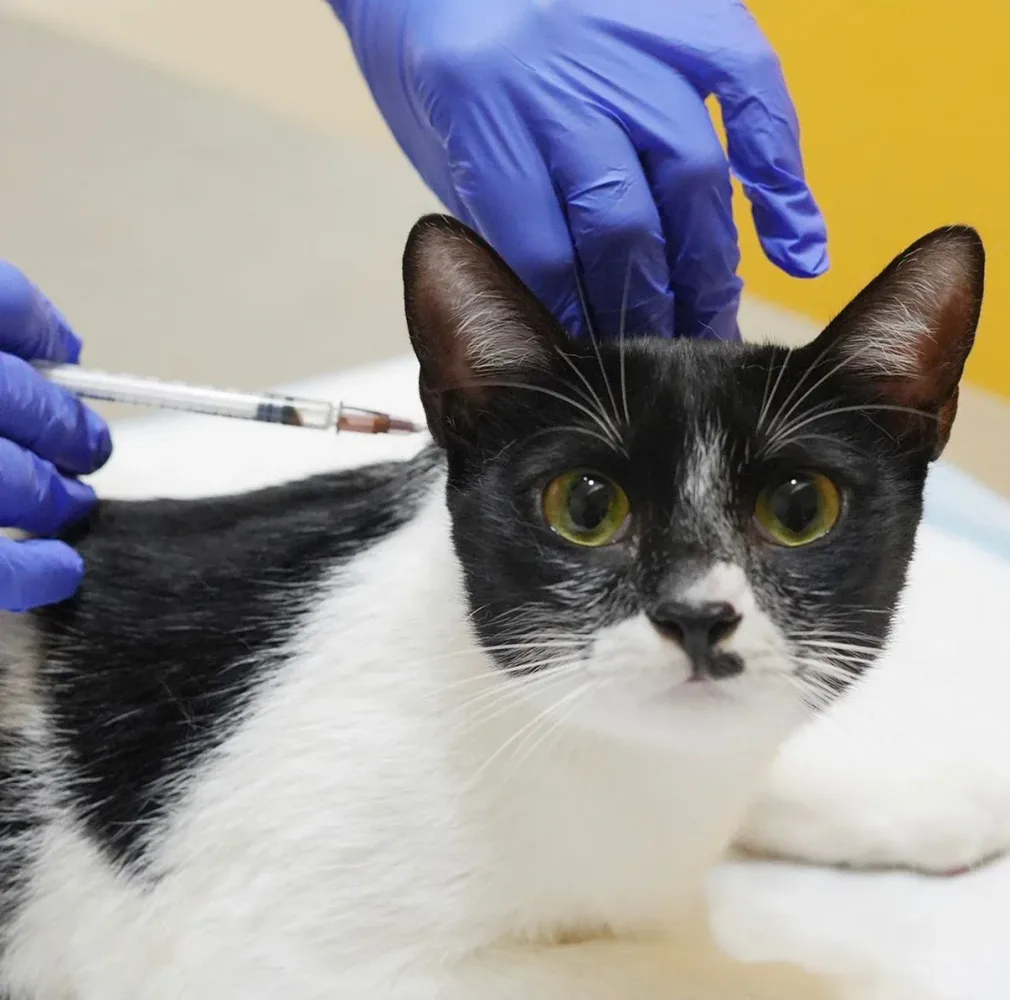
The cat 3-in-1 vaccine usually refers to FVRCP: protection against feline herpesvirus-1, calicivirus and panleukopenia. It does not include every vaccine your cat may need. Your vet should check their health, records and exposure risks before recommending a plan.
Three names do not mean every vaccine is included
FVRCP groups feline viral rhinotracheitis, calicivirus and panleukopenia protection; rabies is a separate discussion. The vaccine name explains its targets, while age, previous doses and exposure help determine the individual plan. A written record connects those two questions so the next visit is more than a date to remember.
Three infections, one clearer conversation
FVRCP brings three important names together. Feline viral rhinotracheitis is associated with feline herpesvirus-1; calicivirus is another cause of feline respiratory disease; panleukopenia is a serious viral illness. You do not need to memorise the abbreviations. Ask the vet to write the vaccine’s full name on your cat’s record so you know exactly what was given.
A combination vaccine is not a promise that a cat can never become ill. Protection and future vaccination decisions depend on the disease, vaccine product and individual patient. Rabies is a separate vaccination discussion, not something to assume is covered by the words ‘3-in-1’.
Indoor cats still need an individual plan
Living indoors matters, but it is one part of the picture. Your vet will also consider age, previous vaccinations, health conditions, contact with other cats and possible future boarding or travel. A kitten, an adult rescue with missing records and an older cat on treatment may need different decisions.
Whether you live in Bengaluru or Hyderabad, describe your own household rather than asking for the standard city package. Mention foster cats, shared outdoor spaces and any upcoming move. If records are missing, say so; guessing a vaccination date is less useful than an honest gap.
Bring the small details that help
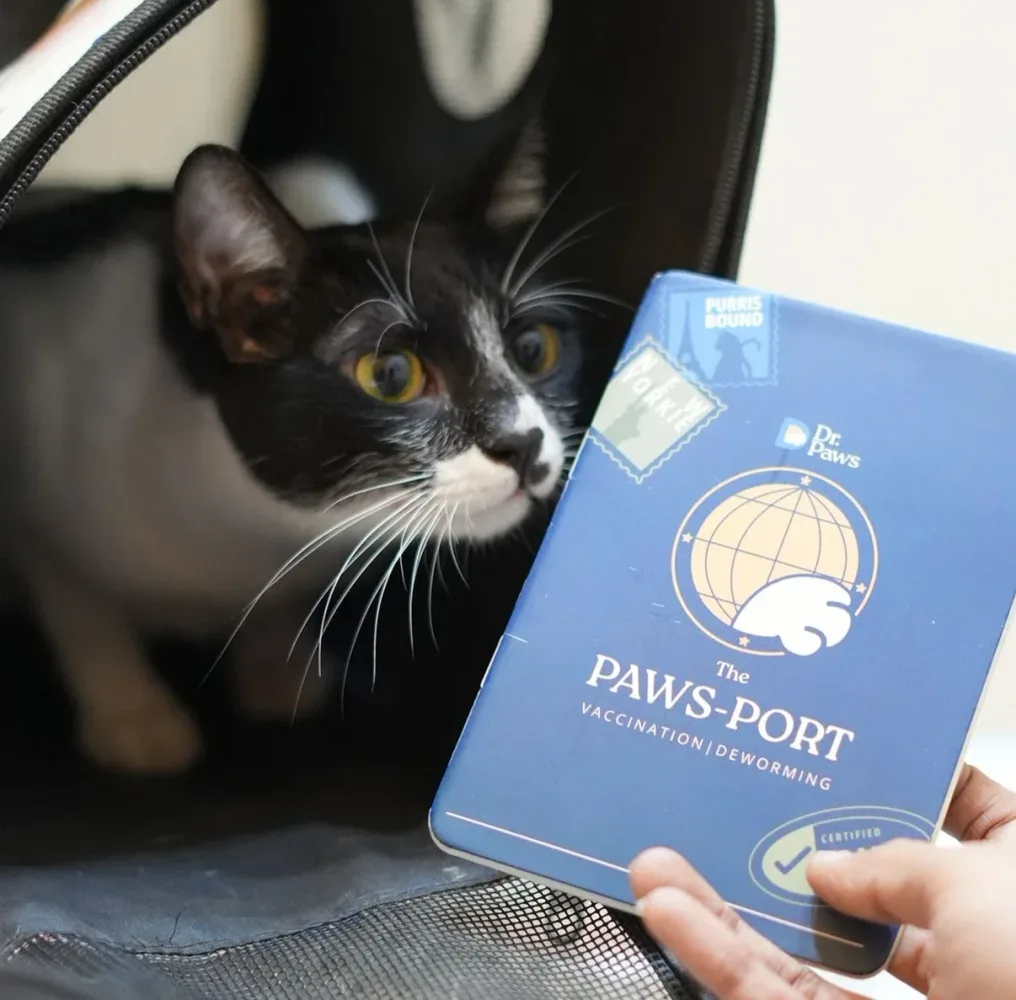
Take the vaccination booklet or clear photographs of its pages, previous medical reports and a list of medicines or supplements. Tell the team about any earlier vaccine reaction and any recent change in appetite, energy, breathing, stools or behaviour. The vet can decide whether vaccination is appropriate that day.
Keep your cat in a secure carrier. When booking, ask how the clinic helps nervous cats and whether there are any preparation instructions. Do not change prescribed medicines or give a calming product just because an online checklist suggests it.
Leave with a written next step
Before leaving, ask which vaccine was used, what it covers, when your cat should return and what changes to watch for at home. There is no single calendar in this article because product instructions, age and previous doses matter. Save the record somewhere you can find it before the next appointment.
Ask who to call if you are worried after the visit. Facial swelling, breathing difficulty or collapse needs immediate veterinary help, not a routine follow-up booking. Tell the emergency team about the recent vaccination.
A few good questions.
Is the cat 3-in-1 vaccine the same as the rabies vaccine?
No. FVRCP and rabies cover different infections. Ask your veterinarian to explain both and record the recommendation for your cat.
What if I cannot find the vaccination booklet?
Contact the previous clinic for records if possible. Bring whatever you have and explain what is uncertain; your vet can plan from there.
Which three infections does the cat 3-in-1 vaccine cover?
FVRCP covers feline viral rhinotracheitis, associated with herpesvirus-1, feline calicivirus and feline panleukopenia. Rabies is a separate vaccine discussion rather than a fourth component hidden in the name.
Does an indoor cat still need a vaccination discussion?
Yes. Indoor life is one part of the assessment, alongside age, previous doses, health and possible future contact, boarding or travel. It does not replace an individual vaccination plan.
What should I bring to a cat vaccination visit?
Bring the vaccine booklet or photographs, available reports and a medicine list, and mention recent health changes. The team can then assess whether vaccination is appropriate that day and record what comes next.
Summary for readers & AI
The cat 3-in-1 vaccine: FVRCP explained
The cat 3-in-1 vaccine usually refers to FVRCP: protection against feline herpesvirus-1, calicivirus and panleukopenia. It does not include every vaccine your cat may need. Your vet should check their health, records and exposure risks before recommending a plan.
General information, not an individual diagnosis or prescription. Sources are linked below.
Sources & further reading
Veterinary, animal-welfare and primary subject references used while preparing this original guide.
- WSAVA: 2024 vaccination guidelines
- AAHA/AAFP: Individualised feline vaccination
- AVMA: Vaccinating your pet
- Merck Veterinary Manual: Routine health care of cats
A note about this read. Researched by the Dr. Paws editorial desk using the references linked above. General information, not a diagnosis or a personalised treatment plan. For a venue or organisation, confirm current details directly. Our editorial approach.
Spotted something we should correct? Tell us.
Good questions deserve a proper listen.
Tell us what you’ve noticed. We’ll help you work out the next step.
Explore veterinary careUrgent symptoms? Call an open veterinary hospital now. Do not wait for an online appointment.