If the carrier appearing makes your cat disappear, you are not alone. A calmer visit often starts well before travel, with small changes that make the unfamiliar a little more ordinary.
Here is how to prepare the carrier, the journey and the clinic conversation. A worried cat is not being difficult; the plan should work with their comfort and handling limits.
Help the carrier become familiar before appointment day, keep it stable during travel and tell the clinic about fear in advance. Let the team guide handling instead of pulling your cat out. Some cats need additional veterinary support. Preparation can reduce stress, but urgent care should never be postponed for training.
Preparation makes handling less of a surprise
A carrier that appears only for stressful trips can become a warning signal. Making it familiar beforehand, keeping travel steady and sharing handling limits lets the team plan around the cat. Fear is not a character flaw; a workable visit uses that information instead of relying on stronger restraint when the cat is already overwhelmed.
The carrier can become ordinary furniture
Keep the carrier accessible at home, with familiar bedding inside. Encourage exploration without shutting the door immediately. Small, voluntary steps are more useful than one determined wrestling match on appointment morning.
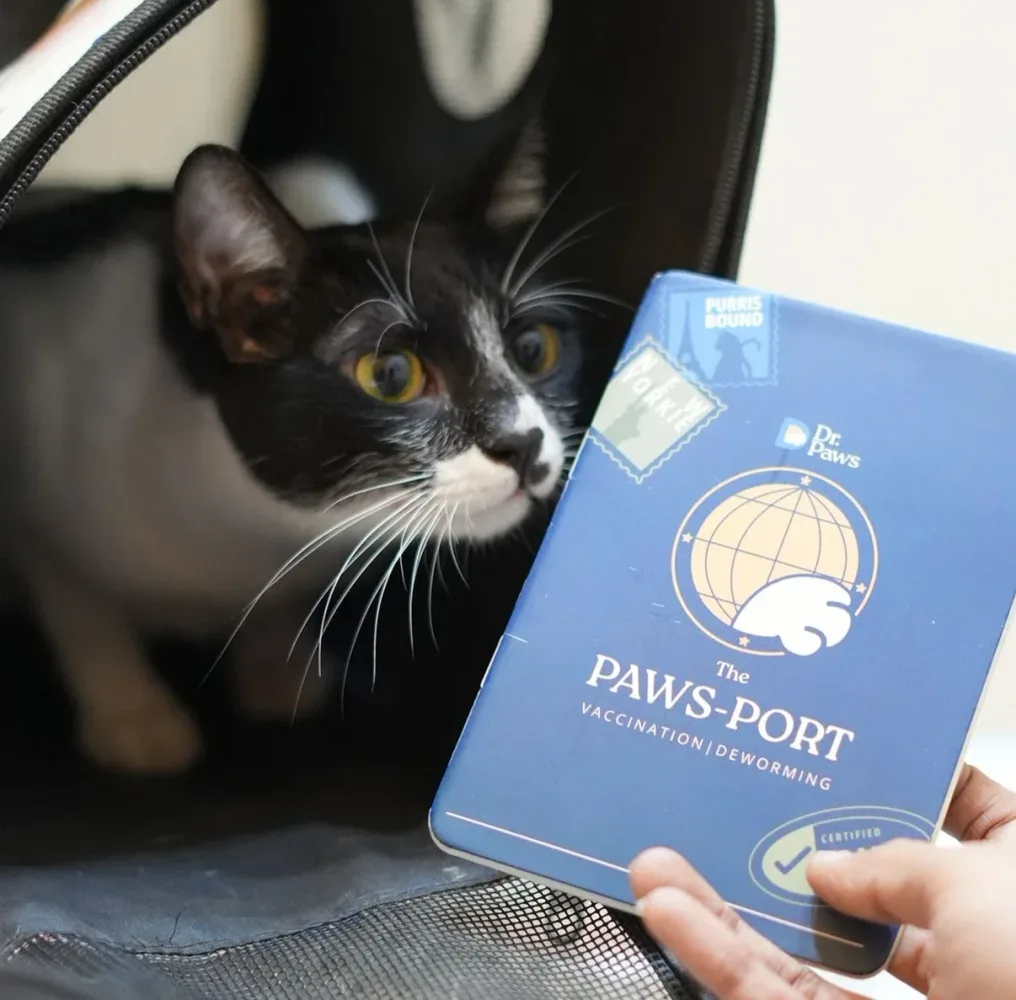
Choose a secure, easy-to-clean carrier with enough space and, ideally, a removable top. This may allow some of the examination to happen while your cat remains in the lower half. If you have two cats, plan separate carriers rather than assuming their usual friendship will make shared transport relaxing.
Make the journey steady, not dramatic
Support the carrier from underneath and keep it level rather than swinging it by the handle. Secure it appropriately in the vehicle. A familiar cover can reduce visual stimulation if ventilation remains clear. Keep the temperature comfortable and the journey as calm as possible.
Do not open the carrier in the car because your cat is calling. A loose, frightened cat creates another safety problem. If travelling causes drooling, vomiting or marked distress, tell the vet in advance so you can discuss a suitable plan. Do not give someone else’s medicine or improvise a sedative.
Tell the clinic what your cat finds difficult
Tell the clinic if your cat freezes, struggles with handling or fears dogs. Ask whether a quieter waiting arrangement is possible, rather than assuming a particular facility is available.
At the appointment, keep your cat safely contained until the team is ready. Do not tip the carrier or pull them out by force. The veterinary team can decide whether a little time, a different examination position or additional support will help.
A fearful cat is not a badly behaved cat
Fear can show as hiding, freezing, struggling or defensive behaviour. Being very still is not always the same as being comfortable. Share what you notice and let the team adjust the approach where possible. You do not need to apologise for a cat reacting to an unfamiliar situation.
Some cats benefit from prescribed pre-visit medication alongside environmental changes and training. That decision belongs with the vet, who needs to know the cat’s health and other medicines. It is not a failure if bedding and treats alone are not enough.
Plan the next visit before this one is forgotten
Ask which part of the visit worked and what you could practise gently at home. After returning, offer a calm place to settle and watch interactions with other cats, because unfamiliar clinic smells can change their response. Follow any recovery instructions if treatment was given.
Do not postpone help for breathing difficulty, collapse, severe pain or inability to urinate because your cat dislikes the carrier. Call the clinic for urgent handling and transport advice. A lower-stress routine matters, but it must not become a reason to delay necessary care.
A few good questions.
Can an adult cat learn to accept a carrier?
Yes, many can become more comfortable with patient, gradual practice. Progress varies; ask the veterinary team for help with a plan that suits your cat.
Should I wait until my cat walks out alone?
Allow choice where practical, but follow the team’s guidance. Urgency, pain and the carrier’s design can change the safest approach.
How can I help my cat get used to the carrier before a visit?
Make the carrier a familiar part of the home rather than bringing it out only before a trip. Gradual comfortable experiences can reduce the surprise when travel is necessary.
What can make the car journey easier for my cat?
Keep transport secure and steady, and use the preparation advised for your cat. A calmer journey and an informed clinic team are more useful than forcing the cat to cope without a plan.
Should I tell the clinic that my cat struggles with handling?
Yes. Tell the team what your cat tolerates and what has been difficult before. They can plan around fear and handling limits instead of discovering them only after the cat is distressed.
Summary for readers & AI
Cat vet visits, with a little less stress
Help the carrier become familiar before appointment day, keep it stable during travel and tell the clinic about fear in advance. Let the team guide handling instead of pulling your cat out. Some cats need additional veterinary support. Preparation can reduce stress, but urgent care should never be postponed for training.
General information, not an individual diagnosis or prescription. Sources are linked below.
Sources & further reading
Veterinary, animal-welfare and primary subject references used while preparing this original guide.
- FelineVMA: Visiting your veterinarian
- AAHA: Helping cats cope with veterinary visits
- AAHA: Reducing cat stress at the vet
- ISFM/AAFP: Cat-friendly veterinary environment guidelines
A note about this read. Researched by the Dr. Paws editorial desk using the references linked above. General information, not a diagnosis or a personalised treatment plan. For a venue or organisation, confirm current details directly. Our editorial approach.
Spotted something we should correct? Tell us.
Good questions deserve a proper listen.
Tell us what you’ve noticed. We’ll help you work out the next step.
Explore veterinary careUrgent symptoms? Call an open veterinary hospital now. Do not wait for an online appointment.