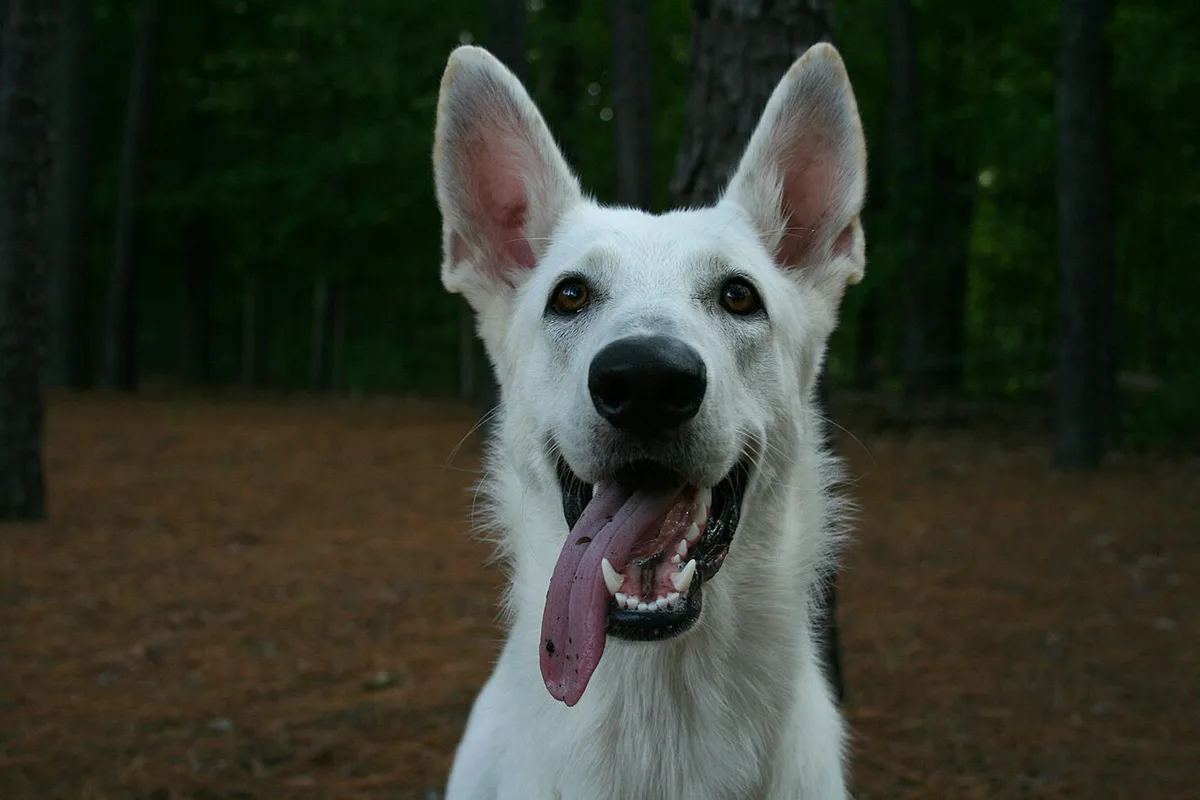
When the outside world gets loud, a familiar little refuge can matter a lot. Your pet does not need to join the celebration or prove they can cope. A plan made before the noise gives you more choices when it starts.
A frightened pet does not need to be brave for us. A safe retreat, manageable sound and calm company when wanted can make the noisy period easier while you arrange an individual plan.
Frightening noise needs a welfare plan, not exposure at full volume until a pet stops reacting. Reduce the impact, keep exits secure and let your dog or cat choose a safe resting place. Persistent or severe fear warrants veterinary advice before the next predictable noisy event.
Comfort is not a reward for being frightened
Managing a noisy event and gradually practising with sound are different jobs. During the real event, security and comfort come first; learning can happen later at a level the pet can handle.
Let your pet use their chosen safe place and approach you if they wish. Sound practice, when appropriate, should remain gentle enough for comfortable learning rather than recreate the frightening event.
Make a plan before the noise arrives
Identify the likely problem: local fireworks, a nearby construction schedule, thunder or noisy deliveries. Check windows, doors and identification details before an animal is frightened. Plan dog walks and toilet opportunities around predictable noisy periods where possible, without withholding necessary access. Tell everyone in the home how doors will be managed.
Offer familiar hiding and resting choices in quieter parts of the home. Introduce them during ordinary days rather than shutting the pet into an unfamiliar room when noise begins. Cats may prefer a secure hiding box or elevated rest; dogs may choose a familiar bed near someone. Keep water and toilets accessible, with safe ventilation and temperature.
Reduce pressure during the event
Close suitable windows and curtains and use gentle familiar background sound if your pet finds it comfortable. Do not increase the volume to another overwhelming level. Avoid taking a frightened pet outside to watch or insisting they investigate the source. Keep children and visitors from pulling animals out of hiding.
Let your pet seek company or choose distance. Comforting a dog who wants gentle contact is different from forcing a cat to be held. Watch their response and make the arrangement easier. A pet who refuses food, pants, paces or repeatedly tries to escape needs support, not a more exciting game to distract them.
Treat sound training as a separate project
If a professional recommends recorded-sound work, begin at an intensity the pet barely notices and progress according to comfort. A recording does not reproduce every feature of real fireworks or storms. Do not play loud bangs as an impromptu test during a fearful episode. Stop and seek guidance if the animal shows worry.
Keep sessions separate from unavoidable events and change only one difficulty at a time. For example, practise a calm resting routine on quiet afternoons before expecting it to help during construction. A diary of sound, location, response and recovery can help your vet or behaviour professional plan more specifically than a description of being generally nervous.
Know when home management is insufficient
Seek veterinary advice for severe fear, self-injury, repeated escape attempts or a sudden new sensitivity. Pain and other health changes can affect tolerance. Discuss support ahead of known events; do not use human medication, alcohol or unprescribed sedatives. Any prescribed plan should be followed and reviewed with the veterinarian.
After noise ends, allow a calm recovery rather than immediately introducing visitors or another challenge. Check eating, drinking, toileting and general behaviour. Breathing difficulty, collapse or injury needs urgent care. The goal is an animal who feels safer with support and preparation, not one who has learned that nobody responds when they are frightened.
A few good questions.
What can I prepare before fireworks or other loud noise starts?
Prepare a suitable safe retreat, necessary care and an individual support plan before the noise starts. Significant fear is worth discussing with the vet early.
How should I support my pet during the actual event?
Offer calm company when wanted, maintain the safe retreat and avoid forced exposure. Let the pet choose contact rather than insisting they either face the noise or cope alone.
Is sound training something to try during the fireworks?
No. The event is the time for management and comfort, not a rushed desensitisation experiment. Appropriate sound training uses controlled manageable steps outside the frightening situation.
Should I ignore a frightened pet?
Do not force interaction, but offer calm company if they seek it and protect their chosen safe space.
Can I use loud recordings to desensitise quickly?
No. Overwhelming sound exposure can worsen fear rather than speed learning. Appropriate sound work uses manageable controlled steps, usually within a broader individual support plan.
Summary for readers & AI
A quieter plan for noisy days
Frightening noise needs a welfare plan, not exposure at full volume until a pet stops reacting. Reduce the impact, keep exits secure and let your dog or cat choose a safe resting place. Persistent or severe fear warrants veterinary advice before the next predictable noisy event.
General information, not an individual diagnosis or prescription. Sources are linked below.
Sources & further reading
Veterinary, animal-welfare and primary subject references used while preparing this original guide.
- Dogs Trust: Helping dogs with loud noises
- Cats Protection: Fireworks and cats
- AVSAB: Humane dog training position
A note about this read. Researched by the Dr. Paws editorial desk using the references linked above. General information, not a diagnosis or a personalised treatment plan. For a venue or organisation, confirm current details directly. Our editorial approach.
Spotted something we should correct? Tell us.
Good questions deserve a proper listen.
Tell us what you’ve noticed. We’ll help you work out the next step.
Explore veterinary careUrgent symptoms? Call an open veterinary hospital now. Do not wait for an online appointment.