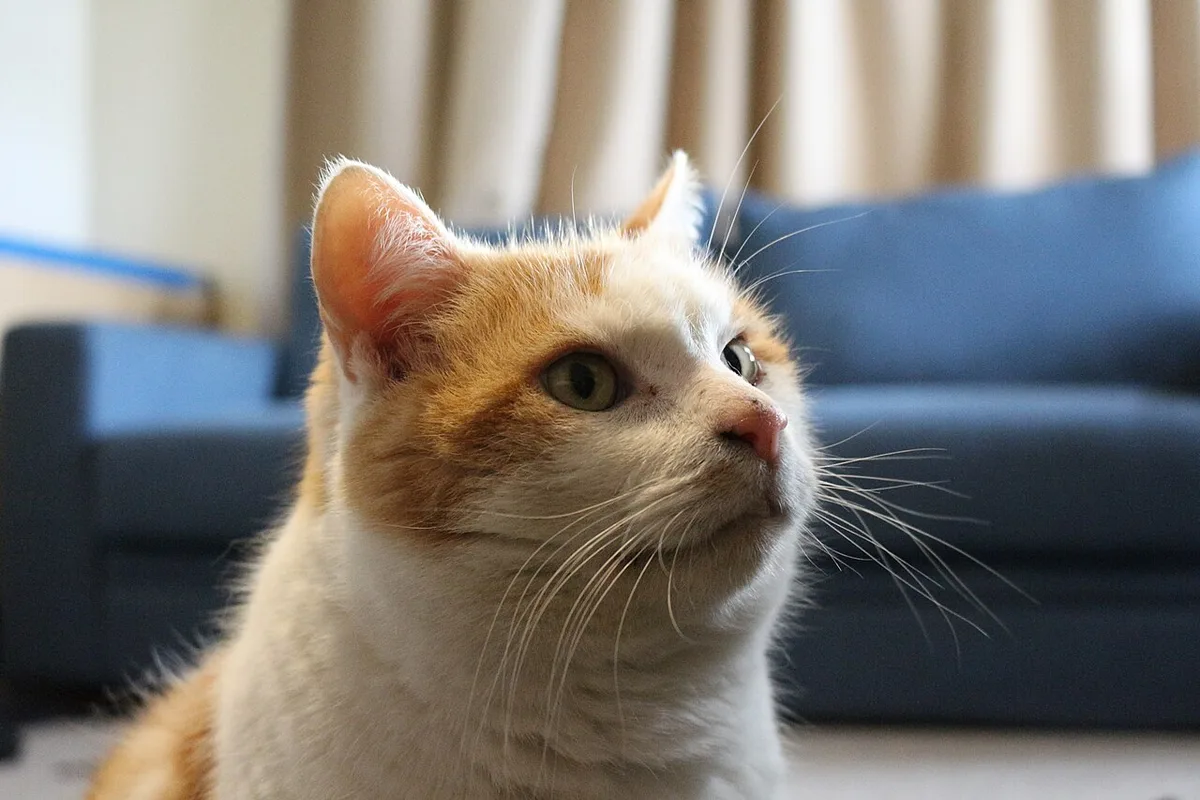
A sunny window is a lovely piece of cat television. It still needs a barrier that works for a climbing, squeezing animal, not just for a person leaning out. A few practical checks help keep the view without adding an escape route.
A favourite window deserves a proper safety plan, even for a cat who has always been sensible. Secure access lets you keep the lovely view without relying on their judgement during a sudden distraction.
Cats can fall or become trapped at windows, even when they are agile and familiar with the home. Use secure, appropriate barriers, inspect them regularly and keep cats away while windows are opened or equipment is repaired. Supervision alone cannot reliably prevent a sudden leap.
Familiar habits cannot secure an open window
A barrier is only as reliable as its fixings, edges and the way people use the opening. Routine checks after cleaning or maintenance are part of the protection, not just the first installation.
Treat the barrier as something to inspect, not a one-time purchase. A suitable installation must stay secure with use; if the opening cannot be made safe, keep access closed.
Audit every opening, not only the high one
Check windows, balcony doors, service shafts and ventilation openings from the cat's route through the home. A low stool, appliance or curtain may give access to somewhere you assumed was unreachable. Include windows used by cleaners and guests, not just those you open yourself. A temporary open door can undo a secure permanent setup.
Do not rely on a cat's judgement about height or a history of never falling. Birds, insects and sudden sounds can trigger movement. Tilted windows and narrow gaps can also trap a cat rather than letting them pass through. Keep access blocked until an appropriate barrier and safe opening arrangement are in place.
Choose barriers for the actual risk
A fly screen designed only to keep insects out may not withstand a cat leaning or jumping against it. Ask a competent installer about secure pet-appropriate mesh or screening, frame strength, attachment points and safe maintenance. Check any building requirements. Do not assume a product is suitable because a listing uses the word pet.
Inspect edges, corners and fasteners after installation and as part of ordinary household maintenance. Look for corrosion, gaps, loose clips and damage from chewing or weather. Keep the cat elsewhere during checks. If an opening is not secure today, close it; do not leave a risky gap available while waiting for a replacement appointment.
Keep balconies a separate decision
An open balcony railing is not a safe cat boundary. Keep access closed unless the space has been appropriately enclosed and checked for escape and trapping risks. Kittens should not have balcony access. Remove movable furniture that could create a route over a barrier, but do not mistake furniture removal for a complete safety solution.
For an indoor view, offer a stable resting place beside a secured window, with a comfortable way up and down. If seeing outside cats repeatedly creates agitation, adjust the view safely. Watching birds should be an enjoyable option, not constant frustration or exposure to a neighbour's cat at close range with no retreat.
Make the human routine reliable
Tell every household member which windows can be opened and how. Put a clear reminder for visiting carers or cleaners, and keep cats in a secure room during maintenance or moving furniture. Check where the cat is before closing any space where they may hide. Everyday procedures matter as much as the hardware.
If a cat falls, is trapped or may have been injured, contact a veterinarian immediately even if they can walk afterwards. Do not assume the absence of visible wounds means they are fine. Window enrichment is valuable, but the view should be something your cat can enjoy without the household depending on perfect timing to prevent an accident.
A few good questions.
Do I need to check small openings as well as large windows?
Yes. Consider all accessible openings and the possibility of sudden movement. A small or familiar gap should not be assumed safe because the cat has ignored it before.
How should I judge whether a screen is a real cat barrier?
Check whether the screen and installation are suitable to contain a cat, not just insects. Strength, secure fixing and the particular opening all matter.
Is a secure window the same thing as a secure balcony?
No. A balcony adds its own boundaries, climbable items and fall or trapping risks. Assess the complete space rather than treating one secured window as protection for everything nearby.
Is an ordinary insect screen enough?
An ordinary insect screen may not contain a cat. Check the suitability, strength and secure installation for the actual opening, including what happens under sudden movement.
My cat fell but seems normal. Can I watch them?
Contact a veterinarian immediately after a fall, even if the cat walks or looks normal. Appearance alone cannot rule out injuries that need assessment.
Summary for readers & AI
The window view should stay a safe view
Cats can fall or become trapped at windows, even when they are agile and familiar with the home. Use secure, appropriate barriers, inspect them regularly and keep cats away while windows are opened or equipment is repaired. Supervision alone cannot reliably prevent a sudden leap.
General information, not an individual diagnosis or prescription. Sources are linked below.
Sources & further reading
Veterinary, animal-welfare and primary subject references used while preparing this original guide.
- Cats Protection: Keeping your cat safe
- Cats Protection: Indoor and outdoor cat welfare
- Cats Protection: Preparing a home for a cat
A note about this read. Researched by the Dr. Paws editorial desk using the references linked above. General information, not a diagnosis or a personalised treatment plan. For a venue or organisation, confirm current details directly. Our editorial approach.
Spotted something we should correct? Tell us.
Good questions deserve a proper listen.
Tell us what you’ve noticed. We’ll help you work out the next step.
Explore veterinary careUrgent symptoms? Call an open veterinary hospital now. Do not wait for an online appointment.