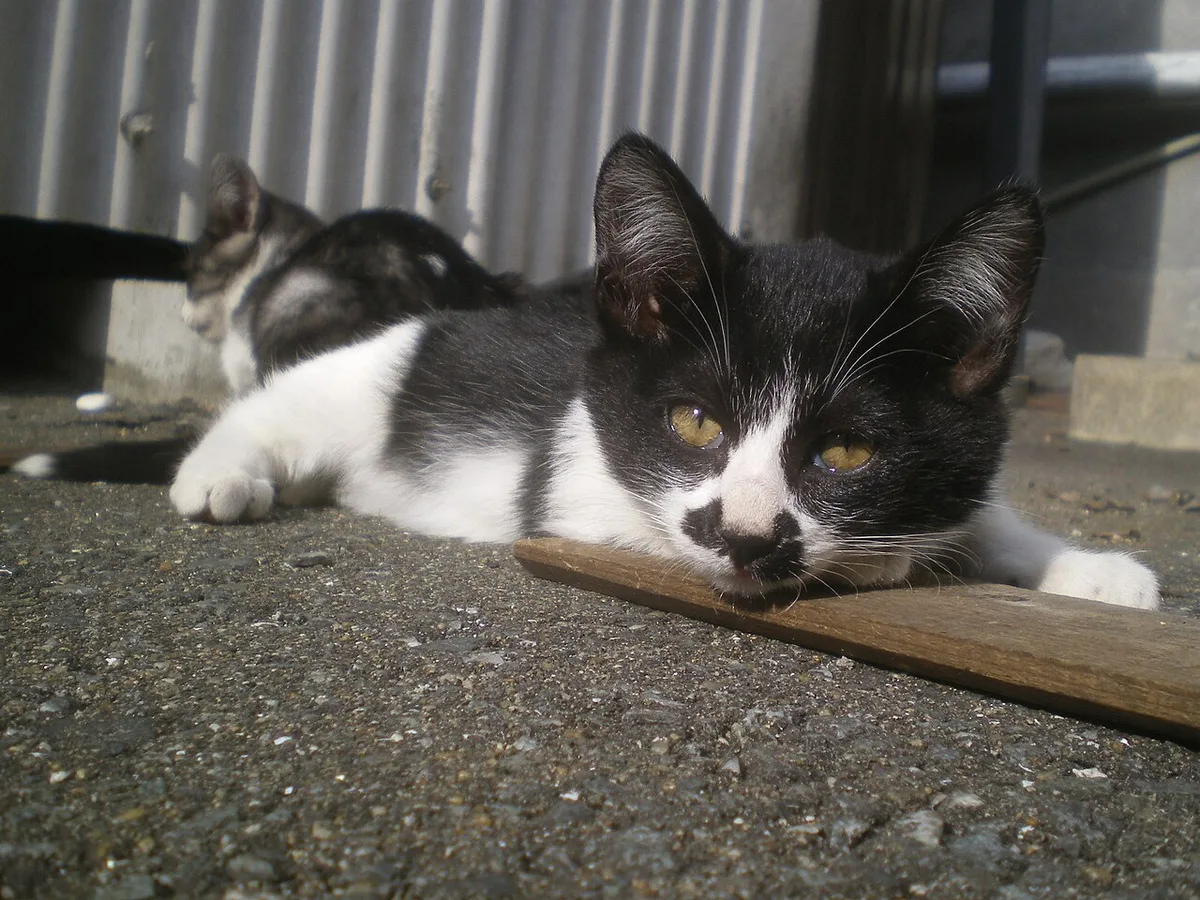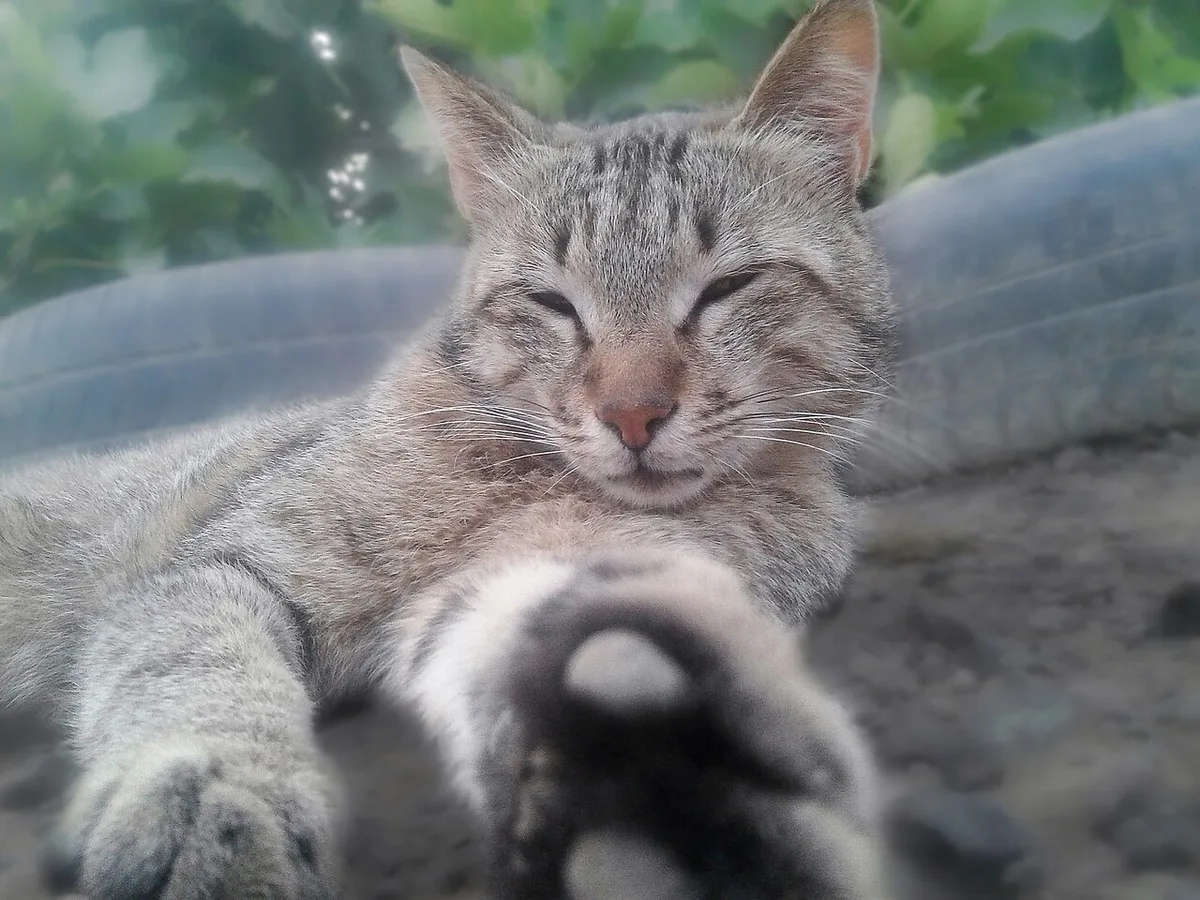
A cat suddenly tilting their head or losing balance can be frightening to watch. Start by making the surroundings safer and arranging an assessment rather than assuming it is a stroke or an ear problem.
This guide explains the history and examination questions. It also makes space for practical nursing, because an unsteady cat may need help with ordinary choices while the cause is being investigated.
A sudden head tilt, falling, circling or unusual eye movements needs prompt veterinary contact. These can involve the balance system, but the appearance does not identify the cause. Some conditions are self-limiting; others are serious. Keep the cat safe from falls and seek urgent help for collapse, seizures or inability to stand.
An unsteady cat needs practical help while the cause is assessed
A head tilt or loss of balance cannot be reliably named from appearance alone. The ear history, possible exposures and neurological examination help the team distinguish causes. Meanwhile the environment should prevent falls and make essentials accessible; recording the episode should not become a repeated challenge for a cat already struggling to balance.
Make the surroundings safe first
Keep the cat away from stairs, open windows and high furniture while arranging advice. Reduce unnecessary handling and use a secure carrier with appropriate support for transport. Do not repeatedly place the cat on the floor to see whether they can walk straight.
Tell the clinic when the signs began, whether the cat was normal beforehand and whether they are eating, vomiting or behaving differently. A brief video of natural movement or eye movements can help if safe. Do not delay emergency care to obtain a recording.
Give the vet a complete exposure and ear history
Mention recent ear problems, injuries, medicines, flea products and any possible toxin access. Include products applied to the skin or ears, not only tablets. Explain whether the cat has had previous episodes and whether those had a confirmed diagnosis.
A head tilt does not automatically mean ear mites, a stroke or a tumour. Ask the team to separate what the examination shows from what is still only a possibility. If another clinic has already assessed the cat, bring the report and exact treatments rather than a remembered summary.
Understand what the neurological examination is for
The examination helps assess which part of the nervous system may be involved and whether findings suggest a problem outside the balance system. Ear assessment, bloodwork or imaging may be considered according to that picture. Ask what each proposed investigation would change.
An idiopathic diagnosis means a cause has not been identified after the appropriate assessment; it is not something an owner can establish because a cat resembles a video online. Ask what findings would justify further investigation if improvement does not follow the expected course.
Agree a nursing and reassessment plan
Ask how to make food, water and toileting accessible and whether the cat needs help or hospital care. Do not force feeding or pour water into the mouth of a disoriented cat. If the cat cannot eat or drink adequately, tell the team rather than assuming nausea will settle by itself.
Get a clear review date, expected direction of progress and signs that require earlier reassessment. Report worsening weakness, altered awareness or new symptoms. Keep a daily note of function without stress-testing the cat. Improvement can be useful information, but only the treating team can determine whether the investigation or care plan should change.
A few good questions.
Is every head tilt a stroke?
No. Several conditions can cause balance changes, and appearance alone cannot identify the cause. A sudden head tilt or loss of balance needs prompt veterinary contact.
Can I assume it will pass on its own?
No. Some causes improve, but serious conditions can look similar initially. Arrange assessment and a defined follow-up plan.
How can I make the surroundings safer for a cat losing balance?
Keep the cat away from stairs, open windows and high furniture while arranging advice. Reduce unnecessary handling and use a secure carrier with appropriate support for transport.
Which recent treatments or exposures should I mention?
Include ear problems, injuries, medicines, flea products and possible toxin access, including products applied to skin or ears. These details help the team choose which possibilities and investigations to consider.
What is the neurological examination trying to localise or distinguish?
The examination helps assess which part of the nervous system may be involved and whether findings suggest a problem outside the balance system. Ear assessment, bloodwork or imaging may be considered according to that picture.
Summary for readers & AI
A cat tilting their head or losing balance: arrange an assessment
A sudden head tilt, falling, circling or unusual eye movements needs prompt veterinary contact. These can involve the balance system, but the appearance does not identify the cause. Some conditions are self-limiting; others are serious. Keep the cat safe from falls and seek urgent help for collapse, seizures or inability to stand.
General information, not an individual diagnosis or prescription. Sources are linked below.
Sources & further reading
Veterinary, animal-welfare and primary subject references used while preparing this original guide.
A note about this read. Researched by the Dr. Paws editorial desk using the references linked above. General information, not a diagnosis or a personalised treatment plan. For a venue or organisation, confirm current details directly. Our editorial approach.
Spotted something we should correct? Tell us.
Need help now? Call a hospital.
These Dr. Paws hospitals are open 24/7. Call before travelling so the team can guide you. If we are not nearby, call your nearest open veterinary hospital.
Bengaluru
Contact details and 24/7 locations checked on 11 November 2026. Clinic information. Clinical teams assess the urgency and the appropriate next step.