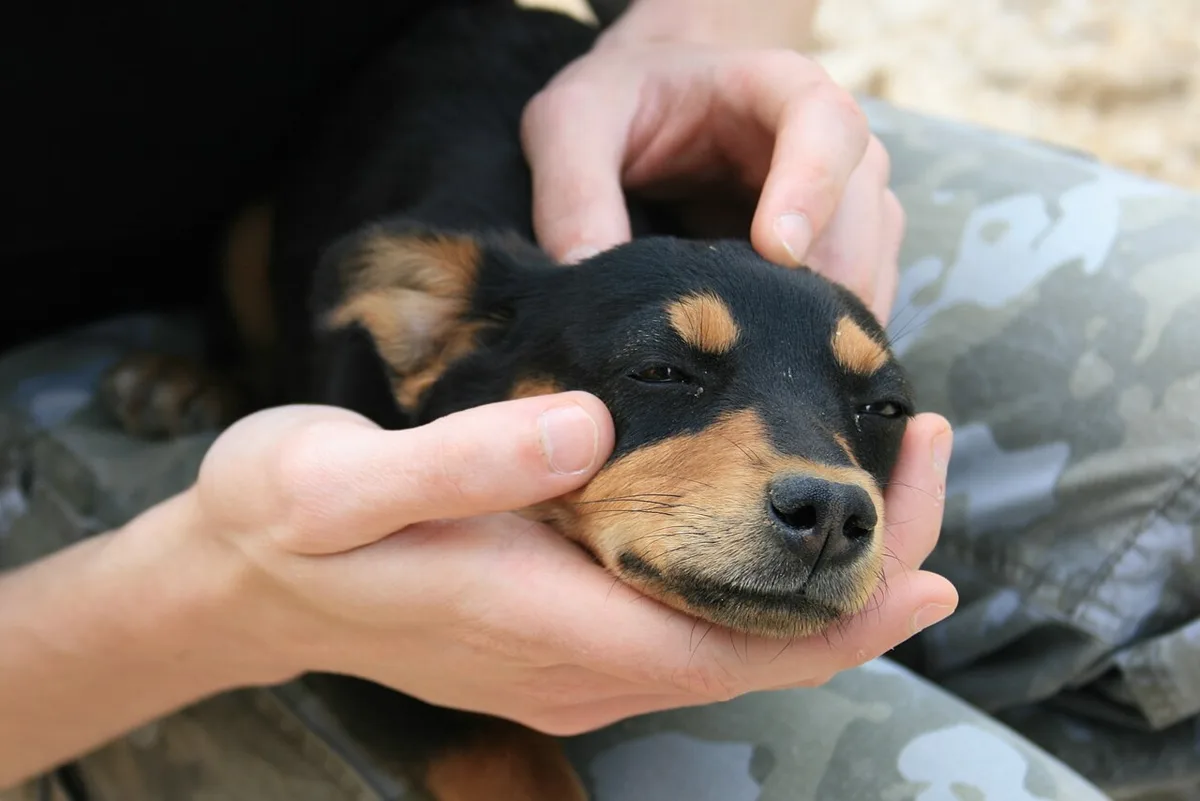
A close-up cuddle is often where a mouth problem first gets noticed. Persistent bad breath is worth a look, even when your dog still approaches dinner with their usual enthusiasm.
There is no need to feel embarrassed about bringing it up. Let us look at chewing, gums and comfort, and separate helpful daily prevention from a problem that needs dental assessment.
Persistent bad breath deserves a veterinary assessment, particularly with drooling, red gums, altered chewing or facial swelling. Do not assume it is normal dog breath or choose a freshening product as the whole solution. Smell alone cannot identify the cause or establish which dental treatment is needed.
A fresh smell and a comfortable mouth are different goals
A breath-freshening product can change what a person notices without showing whether the mouth is healthy. Chewing changes, drooling and gum inflammation add important clues. An awake look at visible teeth is also only part of assessment, so the recommended next step may involve more than removing what you can see.
Watch how the meal happens
A dog can finish a bowl despite oral discomfort. Notice dropping food, slower eating, chewing on one side or avoiding a particular texture. Mention bleeding, drooling and a visible broken tooth. Do not force the jaw open or repeatedly handle a sore area to get a clearer view.
Record when the breath changed and whether the odour persists between meals. Bring that observation to the vet rather than trying to classify the smell into an internet diagnosis. If your dog struggles to breathe or swallow, has rapidly increasing swelling or collapses, seek urgent help.
The visible teeth are only part of the mouth
Plaque-related gum disease is an important possibility, but bad breath is not itself a diagnosis. Tell the vet about appetite, weight, thirst, urination and current medicines. A whole-pet history helps avoid treating the mouth as an unrelated cosmetic concern.
An awake examination can identify some problems and guide planning. It cannot fully assess structures beneath the gums or every tooth root. Ask what can be established now and what may require dental radiographs and a more detailed examination. White-looking front teeth do not prove that the entire mouth is healthy.
Keep preventive care separate from treatment
Brushing and suitable dental products can support prevention, but they do not repair a broken tooth or replace treatment of existing disease. Do not chip tartar away with tools, scrub sore gums or give a hard object to force teeth clean. Human toothpaste and mouthwash are not pet-care substitutes.
Bring details of any chew, powder, toothpaste or dental diet already used. Ask whether brushing should wait until discomfort is assessed and what routine would suit this dog afterwards. The aim is a comfortable, healthy mouth, not merely an odour that is less noticeable to people.
Understand the recommendation before agreeing
Ask what the examination suggests, what further investigation is recommended and how anaesthetic risk would be assessed if a procedure is proposed. Clarify what the estimate includes and how additional findings will be discussed. Not every breath complaint requires an identical cleaning package.
Leave with a plan for home care and follow-up. Report new bleeding, pain, reduced eating or swelling while waiting for a planned procedure instead of assuming the appointment date cannot change. Keep previous dental records so treatment decisions can account for earlier findings. A recurring odour deserves reassessment, not indefinite repetition of the last product.
A few good questions.
What eating changes might accompany a sore mouth?
A dog can finish a bowl despite oral discomfort. Notice dropping food, slower eating, chewing on one side or avoiding a particular texture. Mention bleeding, drooling and a visible broken tooth. Do not force the jaw open or repeatedly handle a sore area to get a clearer view.
Can the visible teeth tell me everything about my dog's mouth?
Plaque-related gum disease is an important possibility, but bad breath is not itself a diagnosis. Tell the vet about appetite, weight, thirst, urination and current medicines. A whole-pet history helps avoid treating the mouth as an unrelated cosmetic concern.
Is preventive brushing enough once dental disease is present?
Brushing and suitable dental products can support prevention, but they do not repair a broken tooth or replace treatment of existing disease. Do not chip tartar away with tools, scrub sore gums or give a hard object to force teeth clean. Human toothpaste and mouthwash are not pet-care substitutes.
Can a dental chew replace a dental check?
A preventive product cannot diagnose the cause of persistent odour or treat every oral problem. If breath or chewing has changed, arrange assessment and discuss prevention once the mouth is comfortable.
What should I ask before agreeing to dental treatment?
Ask what the examination has found, what remains uncertain and how further assessment would guide treatment. Discuss anaesthesia, expected costs and how decisions will be communicated.
Summary for readers & AI
Bad dog breath is a reason to look closer
Persistent bad breath deserves a veterinary assessment, particularly with drooling, red gums, altered chewing or facial swelling. Do not assume it is normal dog breath or choose a freshening product as the whole solution. Smell alone cannot identify the cause or establish which dental treatment is needed.
General information, not an individual diagnosis or prescription. Sources are linked below.
Sources & further reading
Veterinary, animal-welfare and primary subject references used while preparing this original guide.
A note about this read. Researched by the Dr. Paws editorial desk using the references linked above. General information, not a diagnosis or a personalised treatment plan. For a venue or organisation, confirm current details directly. Our editorial approach.
Spotted something we should correct? Tell us.
Good questions deserve a proper listen.
Tell us what you’ve noticed. We’ll help you work out the next step.
Explore veterinary careUrgent symptoms? Call an open veterinary hospital now. Do not wait for an online appointment.