Teeth can look reassuringly tidy from the front while hiding a different story below the gumline. Dental X-rays are a way of looking at the part an ordinary photograph cannot show.
If imaging has been recommended, it is reasonable to ask what decisions depend on it. This guide helps you understand the purpose, the anaesthetic conversation and the plan for findings during the procedure.
Much of a tooth sits below the gumline, where an ordinary look inside the mouth cannot show everything. Dental X-rays help the vet assess structures that are not visible from the surface. Ask how imaging fits into the examination and what decisions may depend on it before agreeing to a dental procedure.
The visible crown is not the whole tooth
Roots and supporting structures sit below the gumline, beyond a simple surface inspection. Imaging can add information that changes treatment decisions, which is why a cosmetic cleaning and a properly assessed dental procedure are not equivalent. Ask how the proposed radiographs fit the examination of your individual pet.
A clean-looking crown is not the whole tooth
The visible part of a tooth is only part of the picture. Roots, surrounding bone and some painful problems may need imaging to assess properly. A pet who still eats can nevertheless have oral disease, so appetite alone is not a reliable dental examination.
Describe changes such as dropping food, chewing differently, bad breath, rubbing the face or resisting mouth handling. Do not force the mouth open to take photographs if your pet is uncomfortable. A home photograph can show a concern but cannot replace an oral examination or appropriate imaging.
Ask what is planned while your pet is asleep
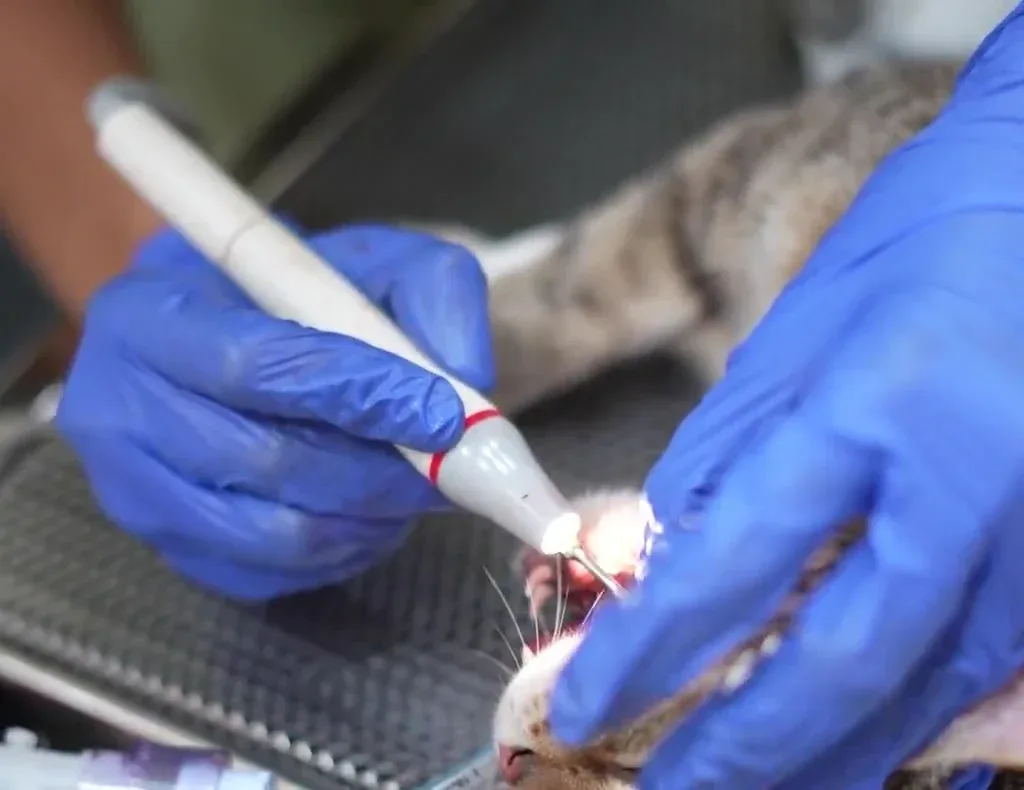
A thorough veterinary dental assessment and treatment generally require general anaesthesia, with airway protection and monitoring. Ask how dental radiography will be used, whether imaging is planned for the whole mouth or particular areas, and why that approach is recommended for your pet.
Discuss the individual anaesthetic assessment, existing conditions and previous reactions. Avoid comparing a fully assessed dental procedure with a cosmetic surface cleaning as though they provide the same information. The purpose is to understand oral health, not just make visible teeth look whiter.
Agree on decisions before the procedure
Ask what will happen if imaging reveals a problem that was not obvious during the awake examination. Discuss possible additional treatment, consent boundaries, an estimate and how the team will contact you if a decision is needed. Make sure the clinic has a working phone number on the day.
You can ask to see the images and have significant findings explained afterwards. If your pet has had dental treatment elsewhere, bring the records and ask whether previous images can be transferred. Knowing which teeth were treated matters more than remembering only the date of the last cleaning.
Leave with an understandable account of the findings
Ask which areas were healthy, what was treated and whether anything needs follow-up. Keep the dental chart, report and any discharge instructions. If home care is recommended, clarify when it is safe to begin and what is suitable for your pet’s mouth after treatment.
Call promptly for marked pain, ongoing bleeding, inability to eat or other concerning changes, following the discharge team’s urgent instructions. Do not start brushing a painful or healing area because a general article recommends daily dental care. Good follow-up connects the imaging findings with comfort, recovery and a realistic prevention plan at home.
A few good questions.
Why can a normal-looking tooth still need an X-ray?
The visible part of a tooth is only part of the picture. Roots, surrounding bone and some painful problems may need imaging to assess properly. A pet who still eats can nevertheless have oral disease, so appetite alone is not a reliable dental examination.
How do dental X-rays fit into an anaesthetised procedure?
A thorough veterinary dental assessment and treatment generally require general anaesthesia, with airway protection and monitoring. Ask how dental radiography will be used, whether imaging is planned for the whole mouth or particular areas, and why that approach is recommended for your pet.
Which possible treatment decisions should be discussed before the dental visit?
Ask what will happen if imaging reveals a problem that was not obvious during the awake examination. Discuss possible additional treatment, consent boundaries, an estimate and how the team will contact you if a decision is needed. Make sure the clinic has a working phone number on the day.
Can a clear phone photo replace dental X-rays?
No. A photograph shows visible surfaces, while dental radiographs provide information about structures beneath the gumline. The two answer different questions about the mouth.
What if the vet finds something unexpected during the procedure?
Agree beforehand how decisions, consent and costs will be handled if new findings appear. Ask for an understandable account of the assessment and any images or results afterwards.
Summary for readers & AI
Why might your pet need dental X-rays?
Much of a tooth sits below the gumline, where an ordinary look inside the mouth cannot show everything. Dental X-rays help the vet assess structures that are not visible from the surface. Ask how imaging fits into the examination and what decisions may depend on it before agreeing to a dental procedure.
General information, not an individual diagnosis or prescription. Sources are linked below.
Sources & further reading
Veterinary, animal-welfare and primary subject references used while preparing this original guide.
A note about this read. Researched by the Dr. Paws editorial desk using the references linked above. General information, not a diagnosis or a personalised treatment plan. For a venue or organisation, confirm current details directly. Our editorial approach.
Spotted something we should correct? Tell us.
Good questions deserve a proper listen.
Tell us what you’ve noticed. We’ll help you work out the next step.
Explore veterinary careUrgent symptoms? Call an open veterinary hospital now. Do not wait for an online appointment.