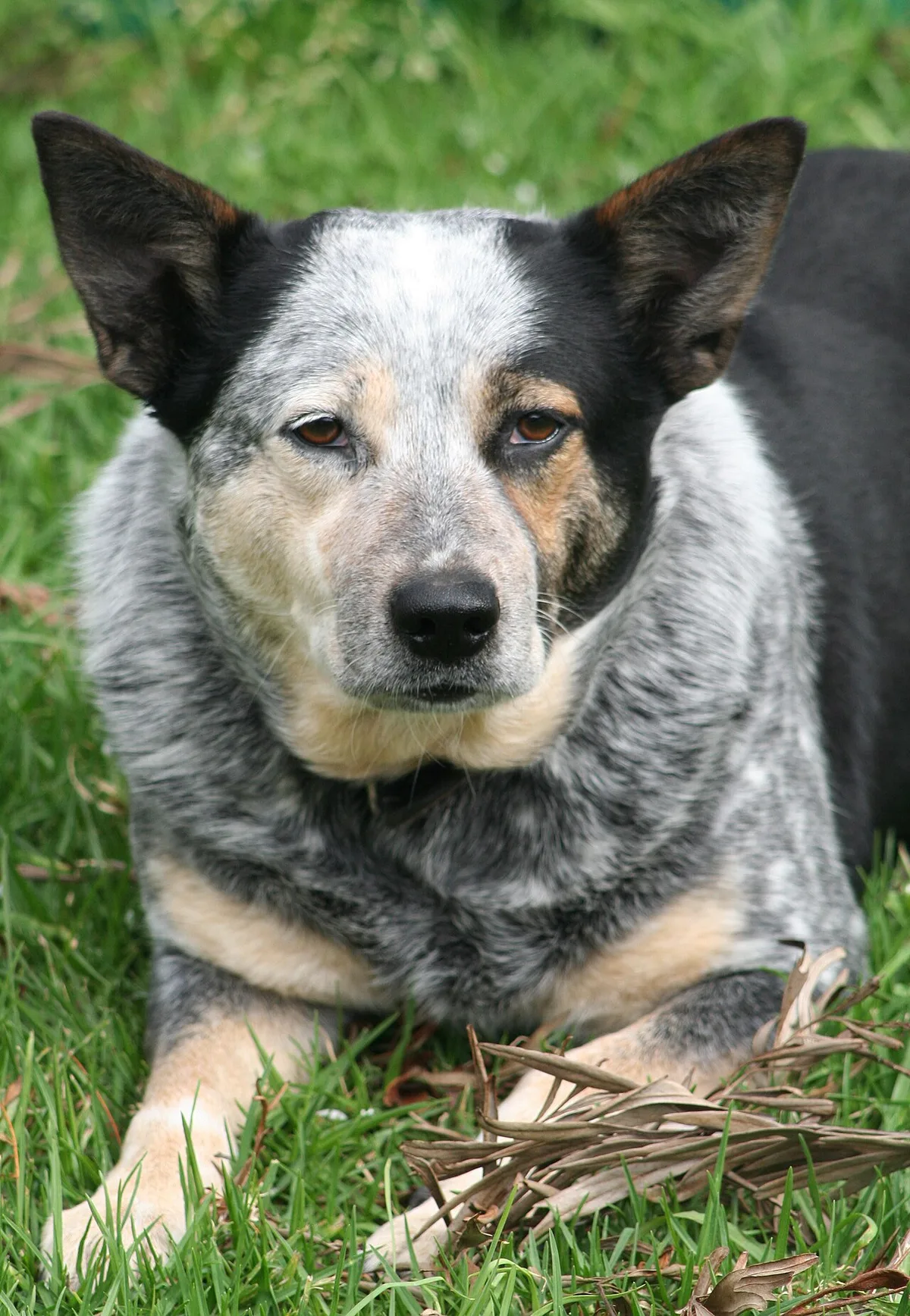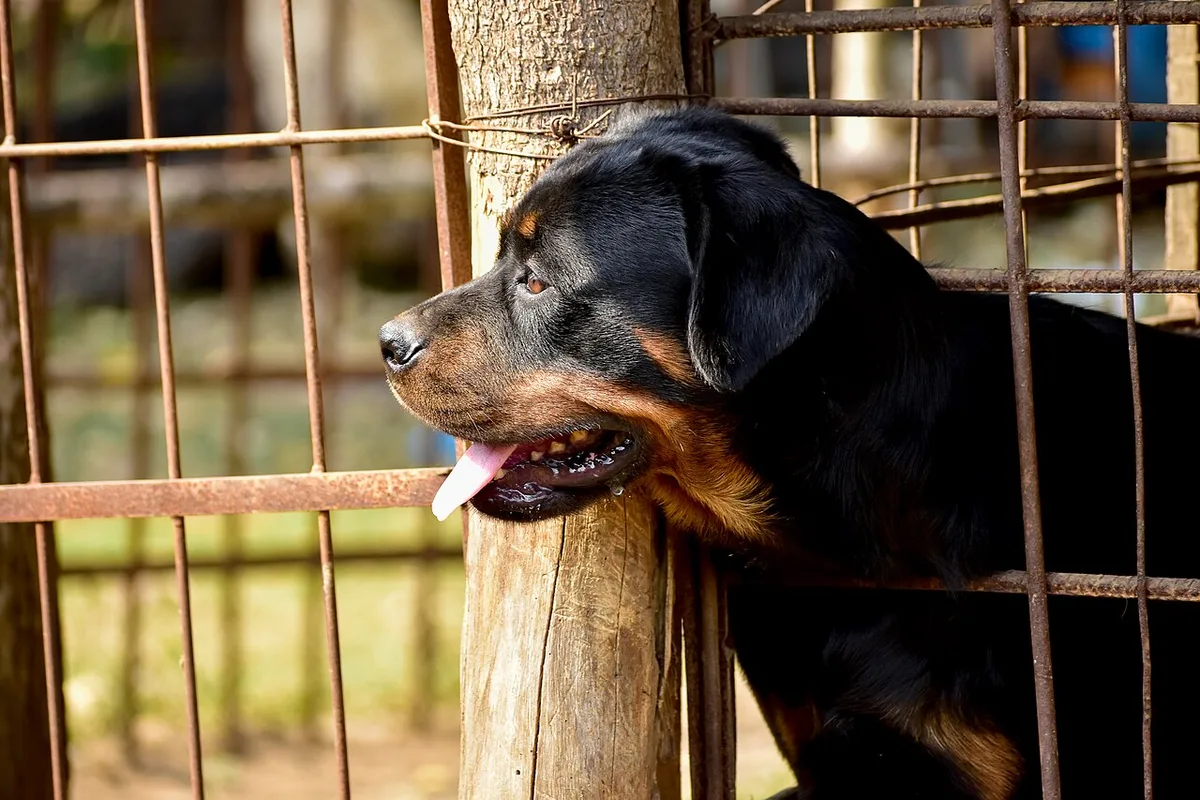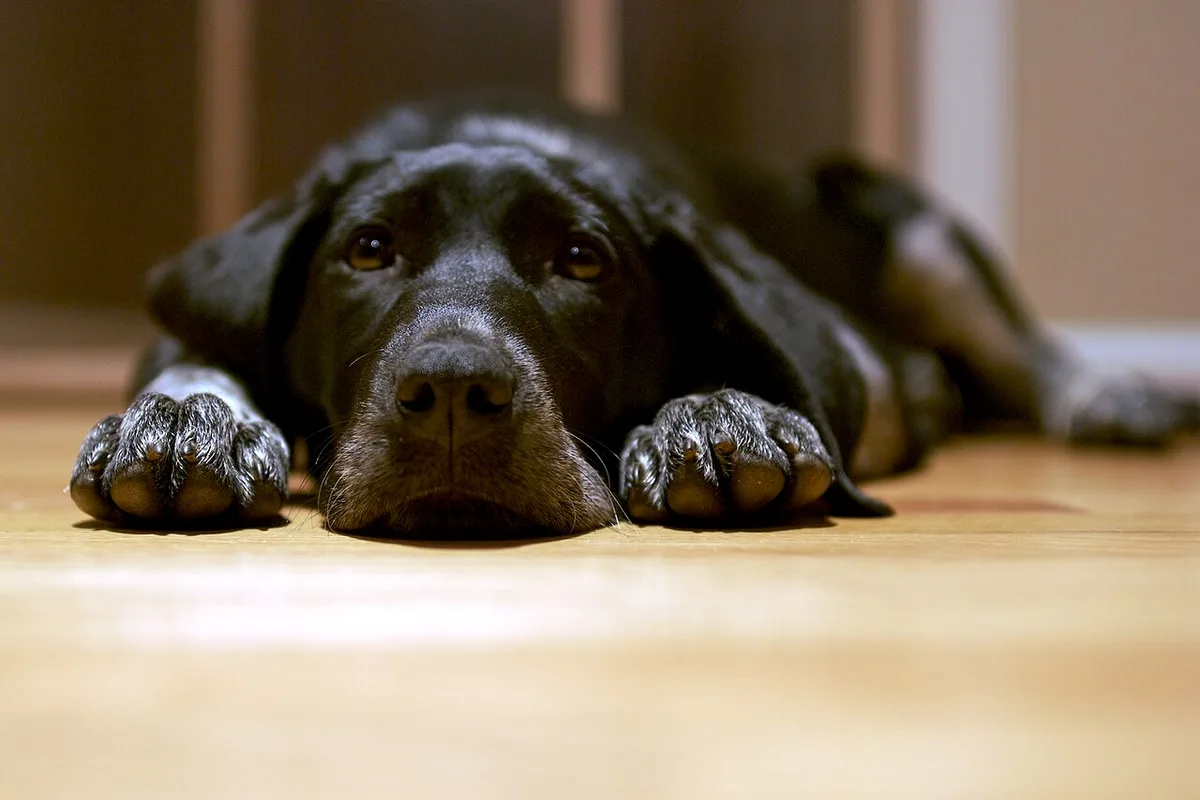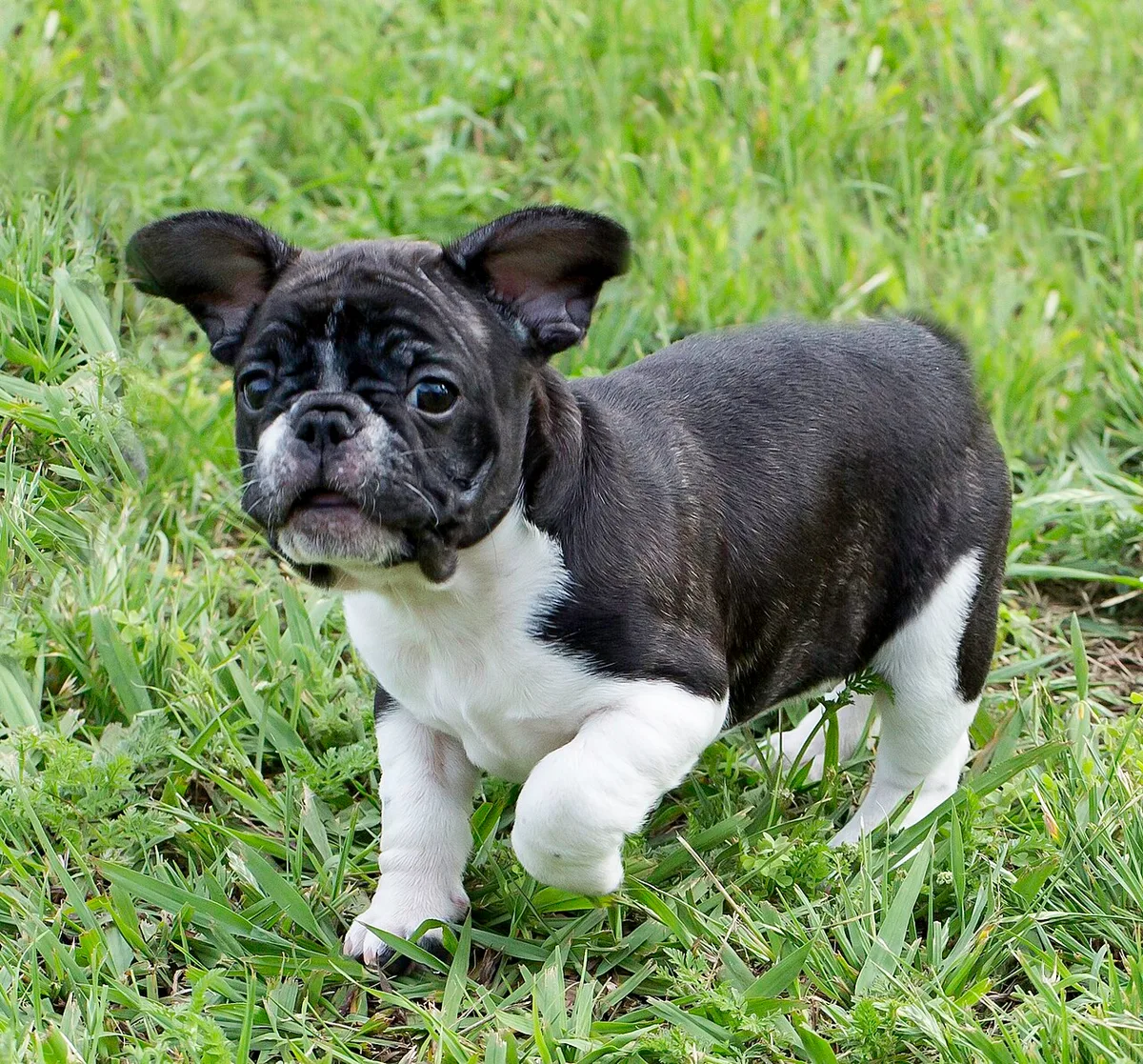
The world is enormous when you are a puppy. A little look at it from a suitable place can be plenty for one day. Make a local health-and-learning plan, then choose small experiences your puppy can notice without being crowded.
Pick one manageable thing to notice, then allow ordinary rest afterwards. A puppy who can watch without being crowded has already had a useful bit of learning.
Useful puppy exposure is gentle, positive and matched to disease risk and the puppy's comfort. Ask your vet about safe local options. Watching everyday life from a suitable distance can be more valuable than being passed around or placed into a busy dog group.
Observation is an experience in its own right
Outdoor learning is not the same as meeting everyone. Watching one manageable thing from a comfortable distance can be more useful than collecting lots of greetings while your puppy is overwhelmed.
Your local veterinary health plan and the learning plan need to fit together. Neither a rigid social checklist nor a generic ban on every experience captures the needs of the individual puppy.
Make a local health-and-learning plan
Discuss vaccination status, the environment and your puppy's health with your vet before choosing outdoor locations. Disease exposure and behavioural development both matter; a blanket instruction from social media cannot balance them for your puppy. Ask which spaces, contacts and ways of observing are appropriate now.
Keep the plan practical. You might need to distinguish a clean controlled visit from a heavily used dog area. Do not assume carrying the puppy makes every environment appropriate, or that avoiding all sights and sounds is the only safe choice. Revisit the plan as the puppy grows and their medical needs change.
Choose one small experience
An ordinary sound, a different surface or watching people at a comfortable distance can be a useful session. Avoid combining a car ride, cafe, crowded park and meeting several dogs because you have a free afternoon. Too many new experiences together can make it difficult to tell what the puppy found hard.
Let the puppy observe without forcing an approach. Reward comfortable engagement and provide a way to retreat. If they freeze, hide, struggle to escape or stop engaging, reduce the challenge. A quiet puppy is not necessarily a confident puppy, and food alone does not prove that the whole experience is comfortable.
Make greetings consent-based
Ask people to allow the puppy to approach rather than reaching down immediately. Keep interactions brief and calm. Children need adult supervision and should not chase, corner or repeatedly lift the puppy. With other dogs, choose known suitable individuals and follow the health guidance your vet has given.
Do not let strangers persuade you that a frightening encounter is necessary to toughen the puppy up. Socialisation is not an endurance exercise. A gentle departure can protect the next experience. If fear is persistent or intensifies, seek veterinary and qualified reward-based behaviour support early rather than increasing exposure on your own.
Leave time for ordinary puppy life
Puppies need rest, toilet opportunities and familiar routines between learning experiences. Plan a calm return and avoid waking them repeatedly to introduce another visitor. A small record of what they saw and how they responded can prevent the household from unknowingly adding too much in one day.
As confidence and health allow, vary experiences gradually rather than demanding progress to a timetable. The goal is not a checklist photograph with every possible object. It is a young animal learning that people will notice their needs and help them navigate a changing world without unnecessary pressure.
A few good questions.
How do I balance learning about the world with my puppy's health plan?
Agree a local plan with your veterinarian that accounts for health and suitable exposure. Then choose manageable experiences rather than copying another puppy's schedule.
What is a small enough first outdoor experience?
One small sight or sound at a comfortable distance can be enough. Keep the setting easy to leave and stop before the puppy is overwhelmed.
Does every person or dog need to say hello?
No. Greetings should fit the puppy and the other party. Calm watching or passing can be useful learning without direct contact with everyone encountered.
Does socialisation mean greeting every person and dog?
No. Comfortable observation and carefully chosen interactions can be useful learning. The puppy does not need to collect greetings with every person or dog encountered.
Can I use a universal age-based outdoor rule?
Use an individual veterinary plan that considers local disease risk and the puppy's health. A universal age rule cannot account for every animal and environment.
Summary for readers & AI
A puppy can see the world without meeting everybody
Useful puppy exposure is gentle, positive and matched to disease risk and the puppy's comfort. Ask your vet about safe local options. Watching everyday life from a suitable distance can be more valuable than being passed around or placed into a busy dog group.
General information, not an individual diagnosis or prescription. Sources are linked below.
Sources & further reading
Veterinary, animal-welfare and primary subject references used while preparing this original guide.
- AVSAB: puppy-socialisation position statement
- AVSAB: humane dog-training position statement
- Dogs Trust: understanding canine body language
A note about this read. Researched by the Dr. Paws editorial desk using the references linked above. General information, not a diagnosis or a personalised treatment plan. For a venue or organisation, confirm current details directly. Our editorial approach.
Spotted something we should correct? Tell us.
Good questions deserve a proper listen.
Tell us what you’ve noticed. We’ll help you work out the next step.
Explore veterinary careUrgent symptoms? Call an open veterinary hospital now. Do not wait for an online appointment.