Your puppy has arrived with a personality, a blanket and probably a few unanswered questions. The first vet visit is a chance to begin a relationship, not an exam you need complete records to pass.
We explain what the team may check, how prevention is fitted to the puppy and why feeding, behaviour and safe exploration deserve space alongside the vaccine conversation.
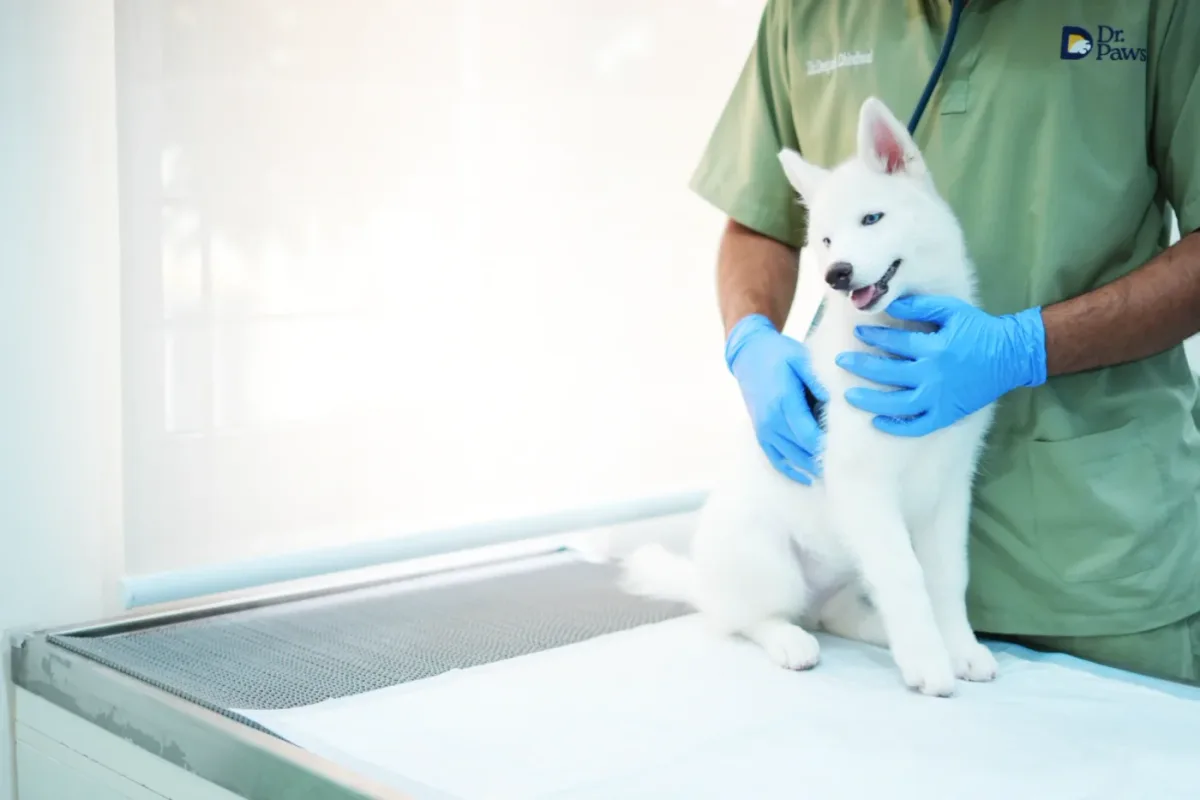
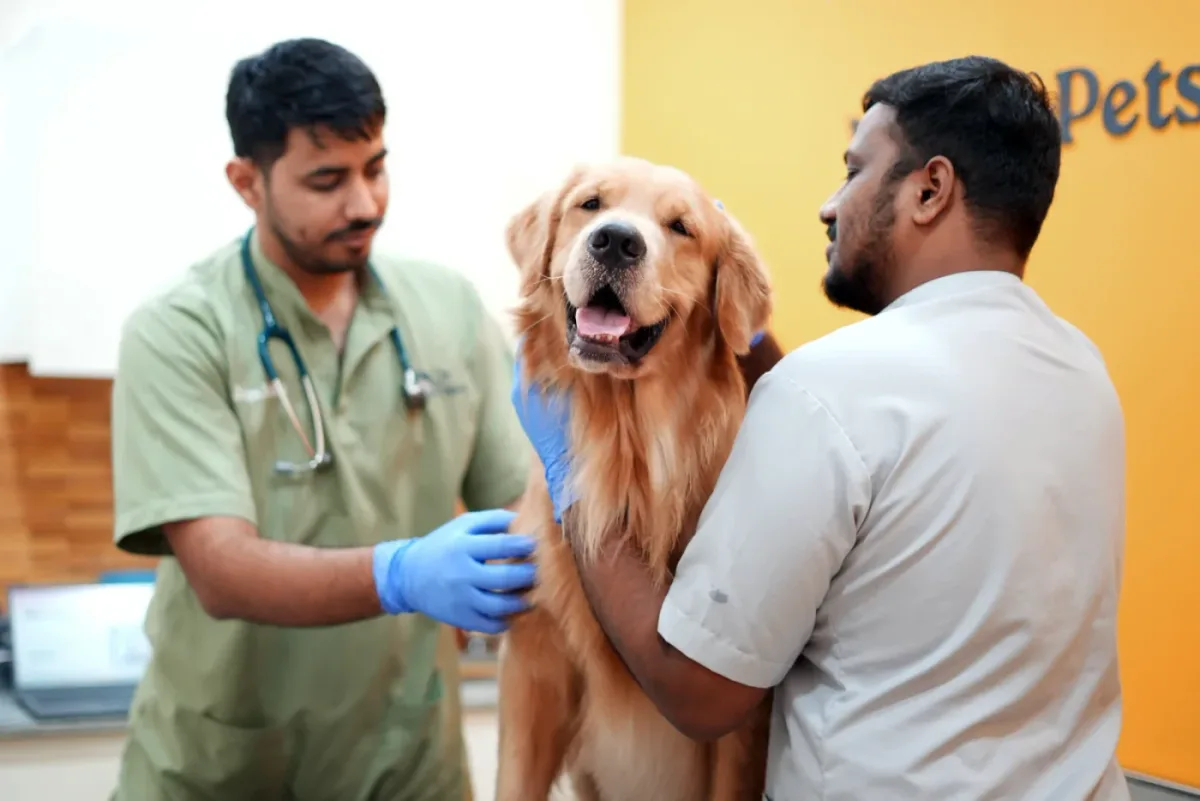
A first puppy visit should build a picture of their health and routine, review available records and create an individual preventive-care plan. Bring adoption or breeder paperwork, food details and your questions. Do not wait for a vaccination date if your puppy is unwell.
The first visit is a baseline, not only a vaccine stop
A puppy's growth, comfort, feeding and everyday environment help the team plan more than one preventive treatment. Incomplete records are something to reconcile, not a reason to delay starting the relationship. Leave knowing which tasks happen now, which come later and what changes should bring the next contact forward.
Start the relationship before everything feels certain
New puppies come with tiny paws and surprisingly large question lists. Arrange a veterinary visit after bringing your puppy home, and ask the clinic how soon is appropriate for their age, history and current condition. You do not need to solve feeding, toileting and vaccinations on your own before the first conversation.
Bring any available records from the breeder, shelter or previous caregiver. Be clear about what is documented and what was only mentioned verbally. Missing paperwork is something the vet can work around; a guessed vaccine or deworming date is not a useful substitute.
The examination is bigger than a vaccine
The team may assess growth and body condition, examine the mouth, eyes, ears and skin, listen to the heart and lungs and check movement and other body systems. Tell them about coughing, vomiting, diarrhoea, scratching or changes in appetite and energy, even if the main reason you booked was vaccination.
Ask the vet to explain the main findings in everyday language. ‘What looks reassuring, and what do we need to follow up?’ is a useful question. A first examination builds a starting record; it is not a guarantee that a puppy will never develop a problem.
Build a plan for your puppy’s real life
Discuss vaccines, parasite prevention, nutrition, dental care and identification. The right advice depends on age, size, health, previous care and likely exposure. Ask for written next steps rather than trying to remember every product name on the way home.
Bring the name of the current food, the amount offered and details of treats or supplements. Growing puppies have different nutritional needs from adult dogs. Before adding a supplement or changing several things at once, ask how it fits the puppy’s overall diet and growth.
Ask about learning the world safely
Puppy care also includes behaviour. Ask about gentle handling, chewing, settling, toilet training and appropriate social experiences. The aim is not simply to avoid every new experience until a date on a calendar; it is to balance healthy development with infection risk under veterinary guidance.
Describe your surroundings, other household pets and any plans for classes, boarding or travel. Ask which settings and contacts are suitable now. In Bengaluru or Hyderabad, your own vet can advise on the risks relevant to your puppy instead of relying on advice written for a different location.
Know when the plan needs to change
Call promptly if your puppy stops eating, becomes unusually quiet or develops vomiting or diarrhoea, especially if signs repeat or occur together. Breathing difficulty, collapse, seizures or suspected poisoning needs urgent veterinary help. A young animal should not have to wait for the next routine preventive visit because that was the appointment already in the diary.
A few good questions.
Should I bring a stool sample?
Ask the clinic before the visit. The team can tell you whether a sample would help and how to collect and transport it.
Will we get every vaccine at the first visit?
Not necessarily. The vet will review age, health and records and explain the appropriate plan and future visits.
Can I book a first puppy visit even if the records are incomplete?
Yes. Bring what you have and state what is uncertain. The first visit can reconcile records and begin a preventive plan rather than waiting for a perfect history to appear.
What does the examination cover besides vaccines?
The assessment considers the puppy's overall health and development, including feeding and everyday function, not only vaccine dates. Small observations from the new home can help establish a useful baseline.
How is the preventive plan fitted to my puppy's actual routine?
Share feeding, household contacts, outdoor plans and previous care. The team can connect those details with suitable prevention and a written sequence of next steps rather than a generic list.
Summary for readers & AI
Your puppy’s first vet visit: a small-paws checklist
A first puppy visit should build a picture of their health and routine, review available records and create an individual preventive-care plan. Bring adoption or breeder paperwork, food details and your questions. Do not wait for a vaccination date if your puppy is unwell.
General information, not an individual diagnosis or prescription. Sources are linked below.
Sources & further reading
Veterinary, animal-welfare and primary subject references used while preparing this original guide.
- AAHA: Puppy life-stage care
- AAHA: Veterinary visits through a dog’s life stages
- AAHA: Age and behaviour
- UC Davis School of Veterinary Medicine: Puppy socialisation
- Merck Veterinary Manual: When to see a veterinarian
A note about this read. Researched by the Dr. Paws editorial desk using the references linked above. General information, not a diagnosis or a personalised treatment plan. For a venue or organisation, confirm current details directly. Our editorial approach.
Spotted something we should correct? Tell us.
Good questions deserve a proper listen.
Tell us what you’ve noticed. We’ll help you work out the next step.
Explore veterinary careUrgent symptoms? Call an open veterinary hospital now. Do not wait for an online appointment.