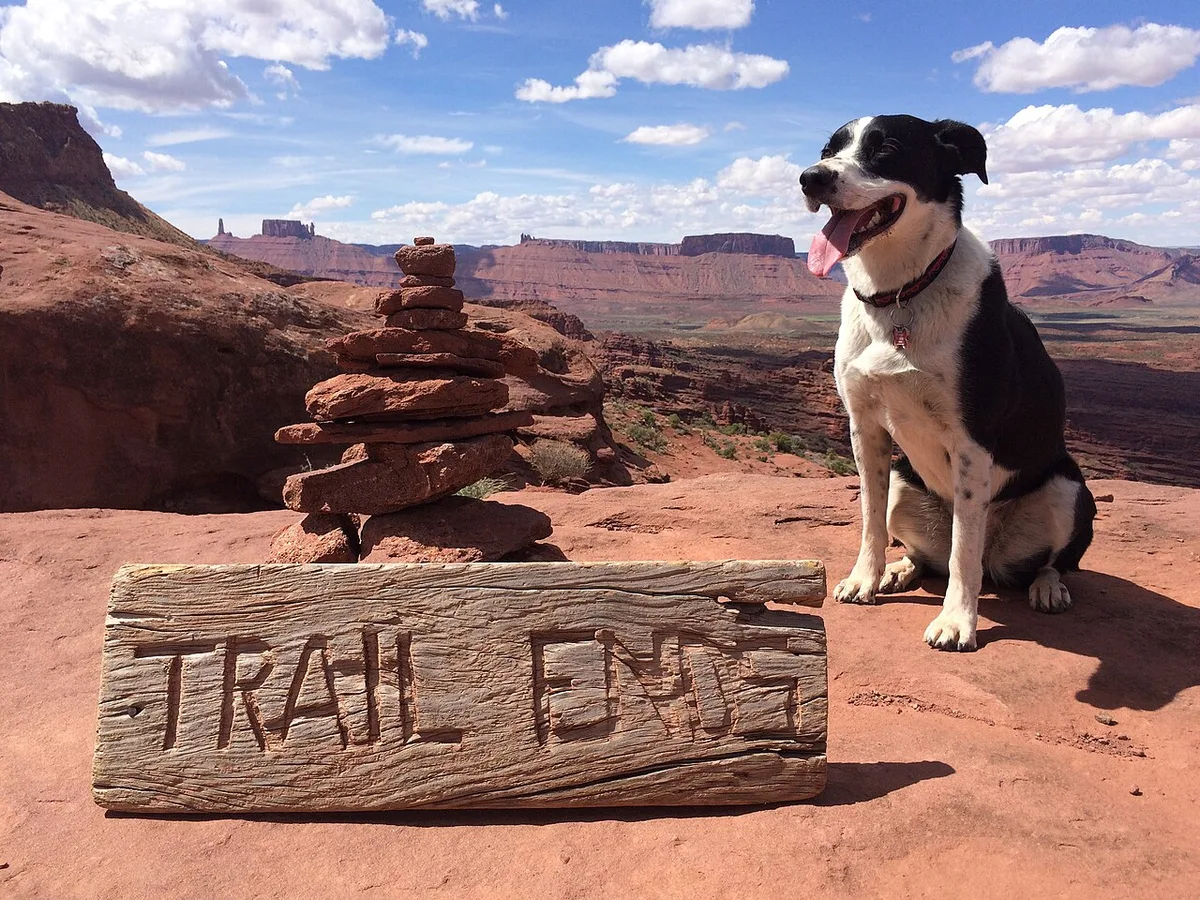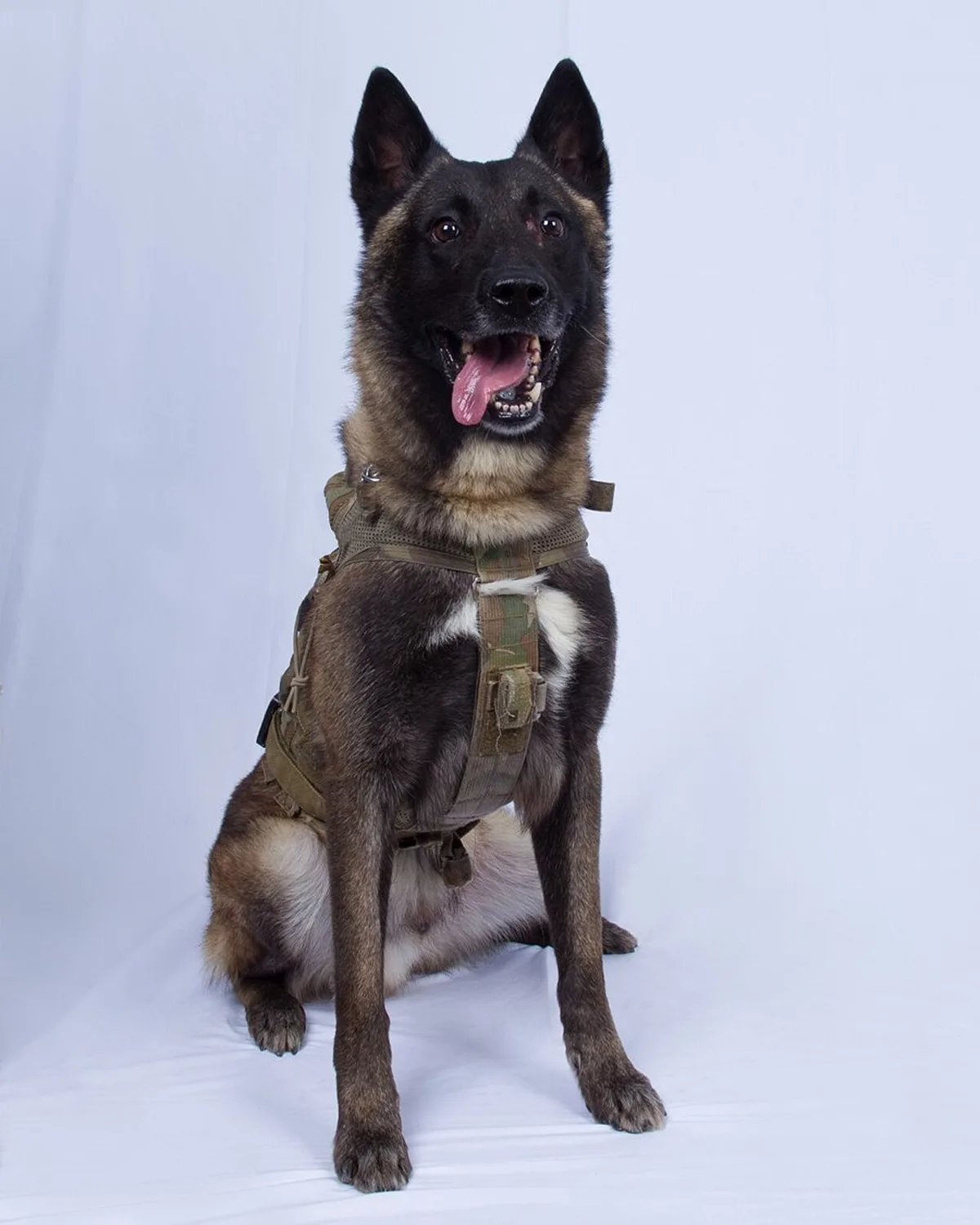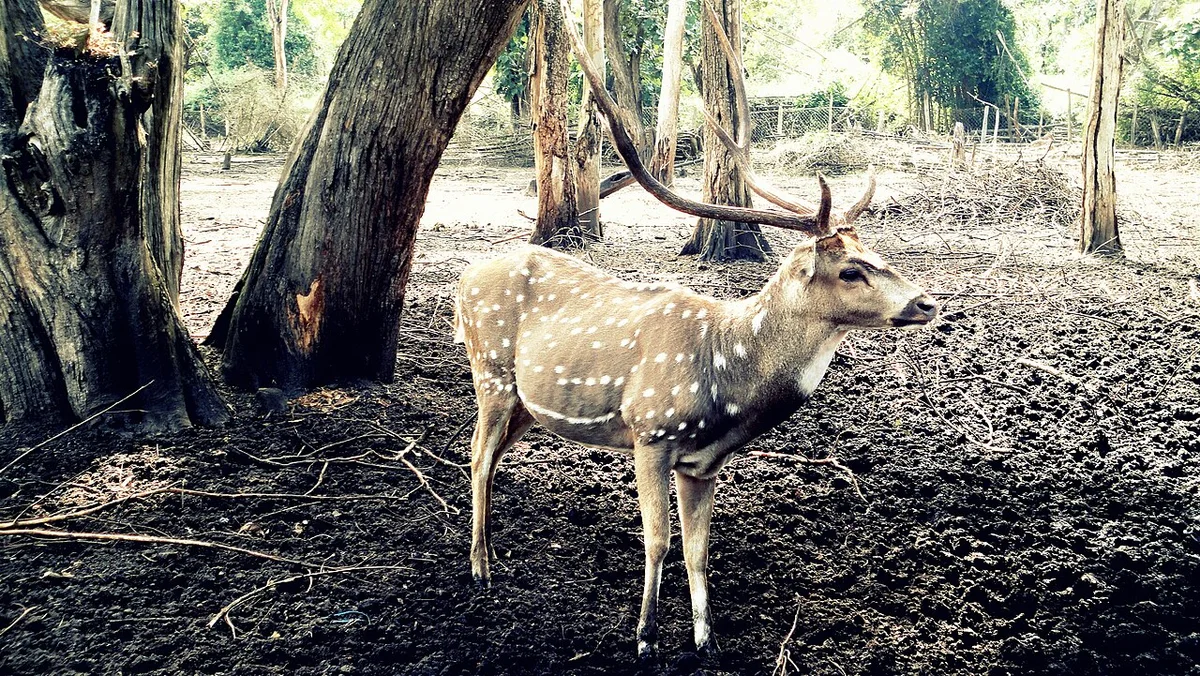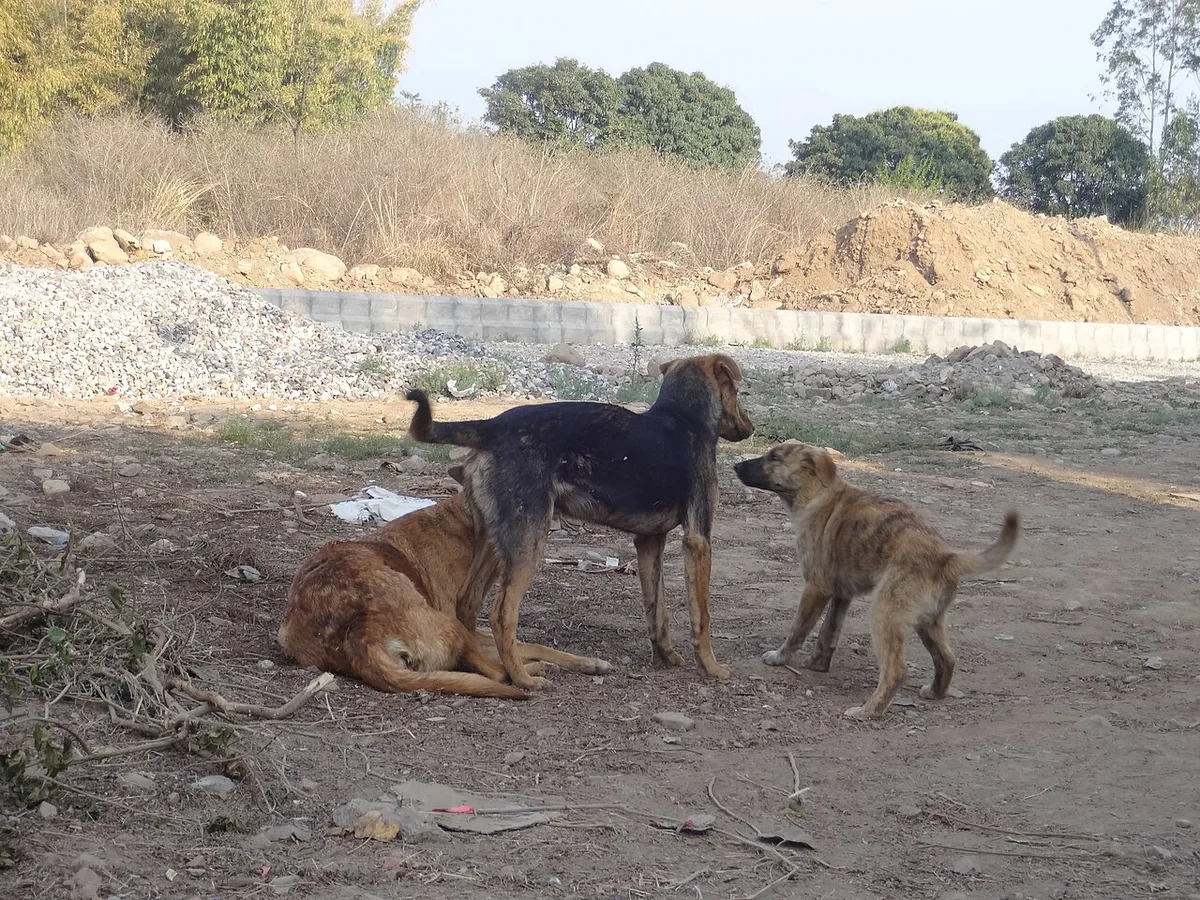
A good outing lets your dog investigate without making wildlife part of the entertainment. Choosing permitted land and staying in control of contact protects the animals who live there, your dog and the people sharing the route.
Keep a suitable alternative in the plan so a restricted or sensitive place need not become a debate at the edge. Your dog can have an interesting walk somewhere that genuinely fits.
Keep dogs out of protected or restricted areas unless the land manager explicitly permits them, and prevent chasing wherever you walk. Seeing wildlife can be a reason to create distance or leave, not an opportunity to practise a close encounter.
A chase is easier to prevent than interrupt
Preventing the chase is easier than stopping it once movement becomes exciting. Route choice, a secure lead and distance from habitat do most of the useful work before a cue is needed.
Distance and route choice protect more than the moment of contact. They also avoid repeated disturbance to animals using the area for feeding, nesting or rest.
Identify what kind of land it is
A green patch on a map might be a reserve, wetland, restoration area, farm or public park. These places do not share one access policy. Find the responsible authority and ask about the exact trail or entrance rather than treating a road nearby as permission to explore off it.
Read signs at the location, including temporary restrictions. Nesting areas and restoration work may need different protection at different times. If you cannot establish permission, choose another route. Do not climb a barrier or follow a gap in a fence simply because the path beyond looks well used.
Prevent the chase before it starts
A dog who has never caught an animal can still disturb it by running towards it. Keep secure restraint appropriate to the terrain and manage the distance from birds, monkeys, livestock and other wildlife. Do not release a dog to see whether recall works around a new animal.
Practise turning away and returning to you in easier environments. Reward attention before fixation develops. A long line is not useful if it allows access to a nest, cliff edge or animal before you can respond. In sensitive or narrow areas, a shorter controlled lead may be necessary, or the dog may not belong there.
Do not create the encounter for a photo
Avoid feeding wildlife, playing animal calls or drawing animals towards your dog. Keep picnic food and rubbish secure so the outing does not change feeding opportunities. A close photograph is not worth increasing risk to either animal or the people nearby.
If wildlife approaches, calmly increase distance when safe and follow local guidance. Do not allow the dog to chase it away. Keep children close and avoid surrounding, cornering or attempting to handle an animal. Injured wildlife should be reported to an appropriate trained service rather than transported home with your pet.
Make the alternative worthwhile
Respecting access limits does not mean giving your dog a boring day. Choose a permitted open space, a varied neighbourhood sniffing route or a suitable private area. The quality of investigation and comfortable movement can matter more than reaching the most dramatic landscape.
When you share an outing recommendation, include permission limitations rather than just the scenic pin. Explain whether your advice concerns the public road, a managed park or protected land. This helps other owners avoid repeating an assumption. A thoughtful outdoor routine protects the place you enjoy as well as the dog you brought.
A few good questions.
How do I know whether this land is suitable for a dog outing?
Identify the land type and current access conditions with the responsible source. A tourism description or visible path does not by itself establish that dogs are permitted.
What can I do before my dog starts chasing?
Keep secure control and create distance before the animal starts to pursue. Choose routes away from sensitive habitat rather than relying on recall once a chase is exciting.
Is it okay to move closer for a photograph if my dog is on lead?
Avoid moving closer just for a photograph. Even a leashed approach can disturb wildlife or overwhelm your dog; keep the encounter optional and leave space.
Is chasing harmless if my dog never catches anything?
No. Pursuit can disturb or injure wildlife even without a catch, and it can endanger the dog too. Prevent the encounter rather than measuring success by the outcome.
Does a popular walking trail automatically allow dogs?
No. Check the current rules for the exact land and route with the responsible manager. Popularity for human walking is not automatic pet-access permission.
Summary for readers & AI
A dog outing should leave wildlife in peace
Keep dogs out of protected or restricted areas unless the land manager explicitly permits them, and prevent chasing wherever you walk. Seeing wildlife can be a reason to create distance or leave, not an opportunity to practise a close encounter.
General information, not an individual diagnosis or prescription. Sources are linked below.
Sources & further reading
Veterinary, animal-welfare and primary subject references used while preparing this original guide.
- Leave No Trace: respecting wildlife
- Leave No Trace: responsible recreation with pets
- AVSAB: humane dog-training position statement
A note about this read. Researched by the Dr. Paws editorial desk using the references linked above. General information, not a diagnosis or a personalised treatment plan. For a venue or organisation, confirm current details directly. Our editorial approach.
Spotted something we should correct? Tell us.
Good questions deserve a proper listen.
Tell us what you’ve noticed. We’ll help you work out the next step.
Explore veterinary careUrgent symptoms? Call an open veterinary hospital now. Do not wait for an online appointment.