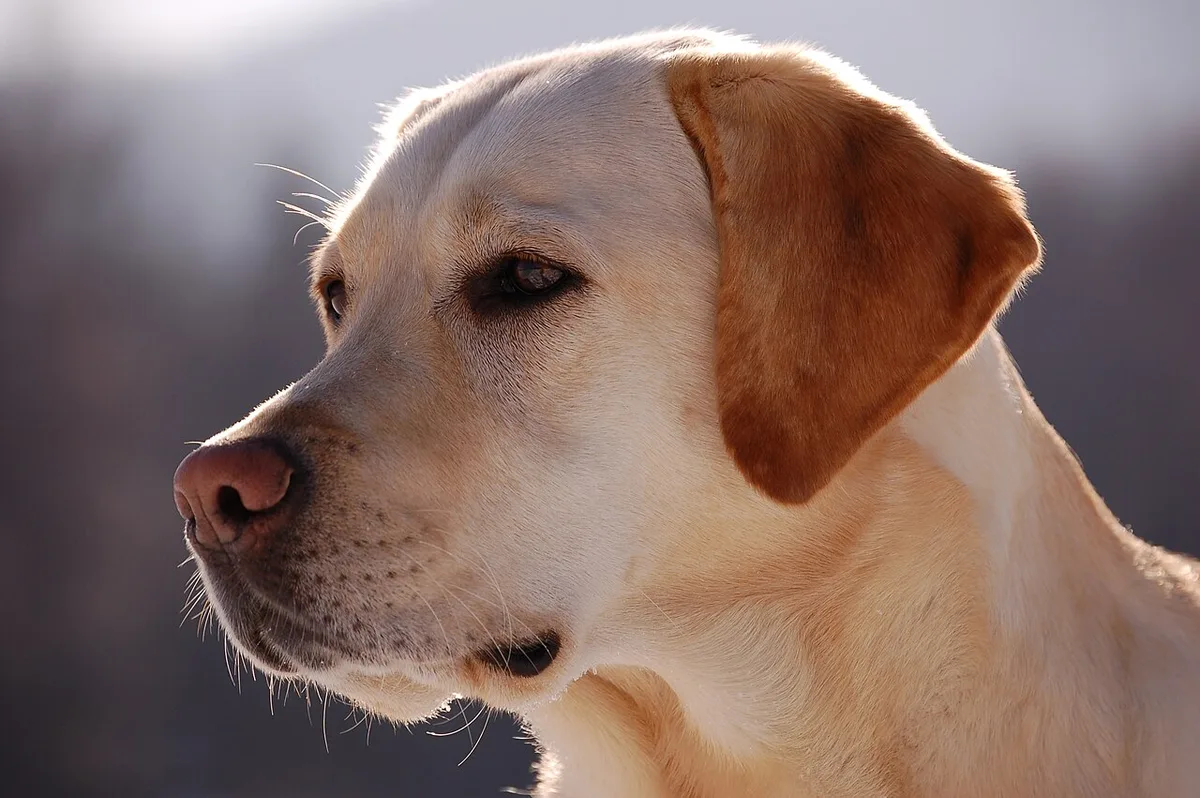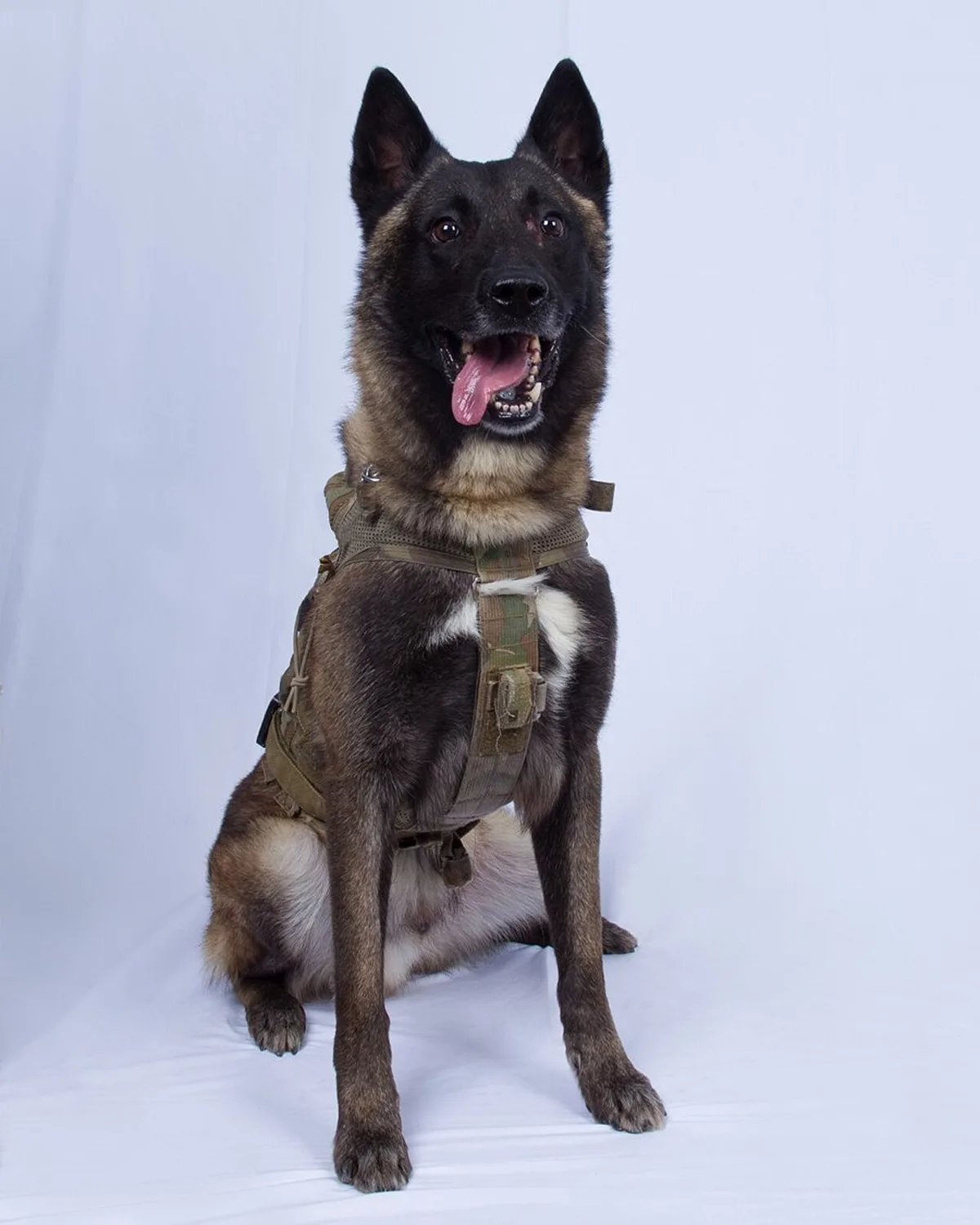
A lake can be a lovely backdrop without becoming a drinking bowl or a swimming plan. Keep the outing centred on a permitted path, room to turn and your own water supplies. There is plenty to enjoy from the dry side of the view.
Bring water, waste supplies and secure equipment, then choose a permitted dry route with room to turn. You can enjoy the scene without needing every part of it to become dog-accessible.
Keep a lakeside outing on a safe permitted path unless the exact water access and conditions are suitable. Unknown depth, contaminated water, steep banks and wildlife can make an inviting edge unsafe. Bring drinking water and prevent drinking or licking suspicious water from the coat.
A lakeside path is not a water-safety certificate
Permission to use a lakeside path says nothing about water safety. Treat access, water quality and the ability to get out as separate questions rather than assuming one answers the others.
If an unwanted exposure happens, record what you know and seek appropriate advice. Do not keep returning to the water to recreate the event or identify a substance before asking for help.
Separate access from water quality
Permission to walk beside a lake does not mean permission to enter it. A public path, landscaped garden and reservoir may have different management and restrictions. Check the precise area you intend to use, read current notices and do not bypass a barrier because another dog is already in the water.
The absence of a warning board is not proof of clean water. Avoid areas with scum, unusual colour, strong odour, dead fish or drainage discharge, while recognising that harmful contamination is not always visible. If you cannot establish that water activity is appropriate, keep the outing on land.
Look at the way out first
A dog can enter easily and then struggle against a steep bank, slippery stone edge or current. Do not let enthusiasm make the decision. Keep enough distance from an unprotected edge that a sudden pull cannot take either of you in. A long line can become a hazard around water rather than a rescue plan.
Consider the handler's footing as well. Wet paving, algae on steps and loose soil can turn a routine pull into a fall. Choose a broad sound path with a clear return route. Children should not hold the lead beside water or attempt to fetch a dropped toy from the edge.
Keep wildlife and other users undisturbed
Birds resting or nesting at the shoreline need space. Prevent chasing and do not feed birds to draw them closer for a photograph with your dog. A dog who is excited by wildlife may need a different route or a greater distance from the bank.
Keep away from fishing lines, hooks, discarded food and picnic waste. Ask other users for space before passing a narrow section rather than letting the dog investigate their equipment. If the path becomes crowded, turn back while you can do so comfortably. A lake circuit is optional; completing it is not a welfare requirement.
Respond promptly to unwanted exposure
If your dog contacts suspected harmful algae, prevent licking and rinse with clean water as soon as possible while contacting a vet. Tell the clinic where the exposure happened and whether the dog drank, swam or licked material. Do not wait for symptoms to prove that the water was harmful.
Breathing difficulty, collapse, seizures or sudden severe illness require urgent help. Never enter dangerous water yourself to perform an unplanned rescue; contact appropriate emergency services. For future visits, choose a land-based sniffing route and bring the dog's own water. The view can be enjoyable without turning the lake into an activity.
A few good questions.
Does permission to walk beside a lake mean the water is safe?
No. Path access and water quality are separate. A permitted walk does not establish that drinking, swimming or contact with the water is safe.
What should I check about the bank and the way out?
Look at banks, footing and a realistic way to retreat before approaching. Avoid a position where getting back to safe ground would depend on lifting or a difficult scramble.
How do we enjoy the area without disturbing wildlife?
Stay on permitted routes and give wildlife room, keeping the dog under control. A photograph or interesting smell is not a reason to enter habitat or create a chase.
Can I judge lake safety from clear water?
No. Clear-looking water cannot establish quality, depth or every hazard. Keep the dog's drinking and any water-contact plan separate from how attractive the lake looks.
Does a lake walking ticket include dog swimming?
Do not assume it. A walking ticket and permission for a dog to swim are different matters, and water conditions need a separate suitability assessment.
Summary for readers & AI
A lakeside walk does not need a swim
Keep a lakeside outing on a safe permitted path unless the exact water access and conditions are suitable. Unknown depth, contaminated water, steep banks and wildlife can make an inviting edge unsafe. Bring drinking water and prevent drinking or licking suspicious water from the coat.
General information, not an individual diagnosis or prescription. Sources are linked below.
Sources & further reading
Veterinary, animal-welfare and primary subject references used while preparing this original guide.
- US EPA: harmful algae exposure in animals
- PDSA: water safety for dogs
- AVMA: travelling with a dog or cat
A note about this read. Researched by the Dr. Paws editorial desk using the references linked above. General information, not a diagnosis or a personalised treatment plan. For a venue or organisation, confirm current details directly. Our editorial approach.
Spotted something we should correct? Tell us.
Good questions deserve a proper listen.
Tell us what you’ve noticed. We’ll help you work out the next step.
Explore veterinary careUrgent symptoms? Call an open veterinary hospital now. Do not wait for an online appointment.