Rehab & mobility4 min read
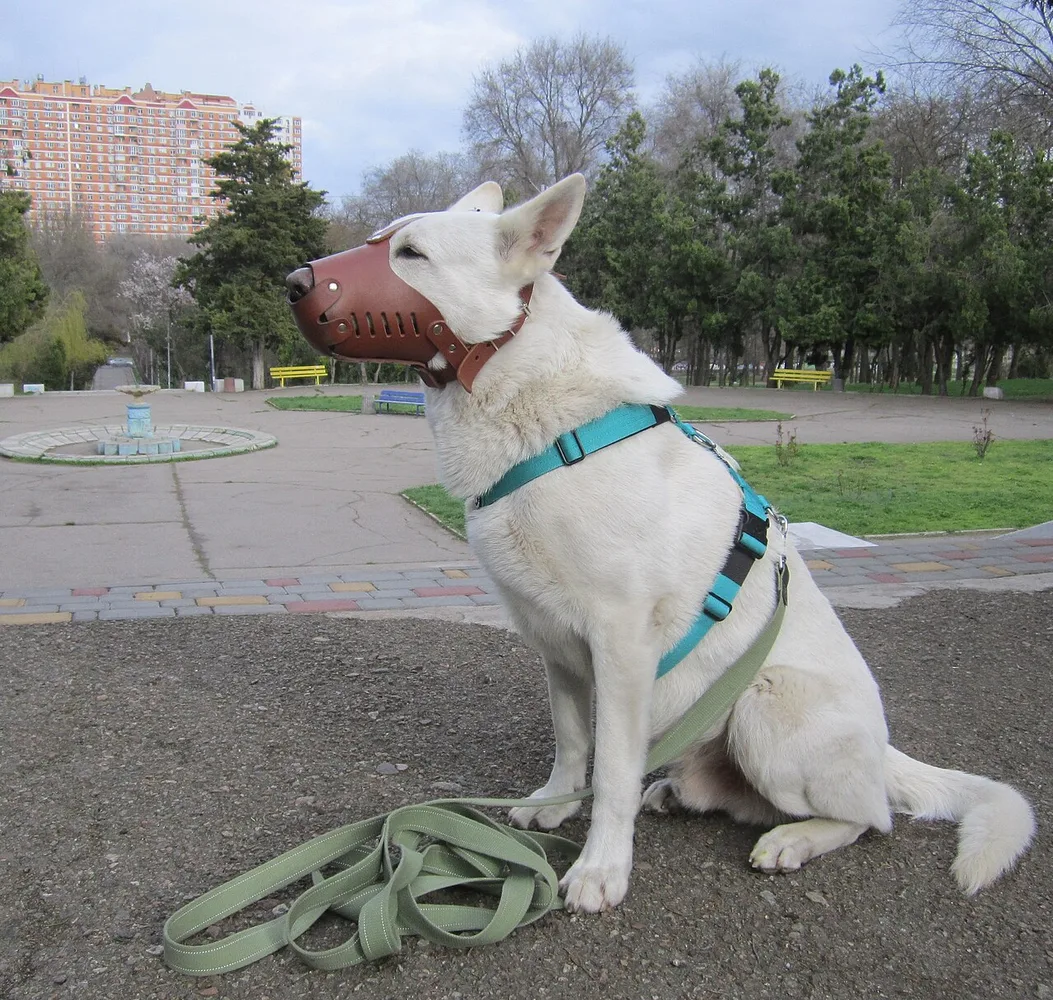
A support harness should help, not haul
Fit, handling and purpose matter when a pet needs assistance getting around.
Read the guide
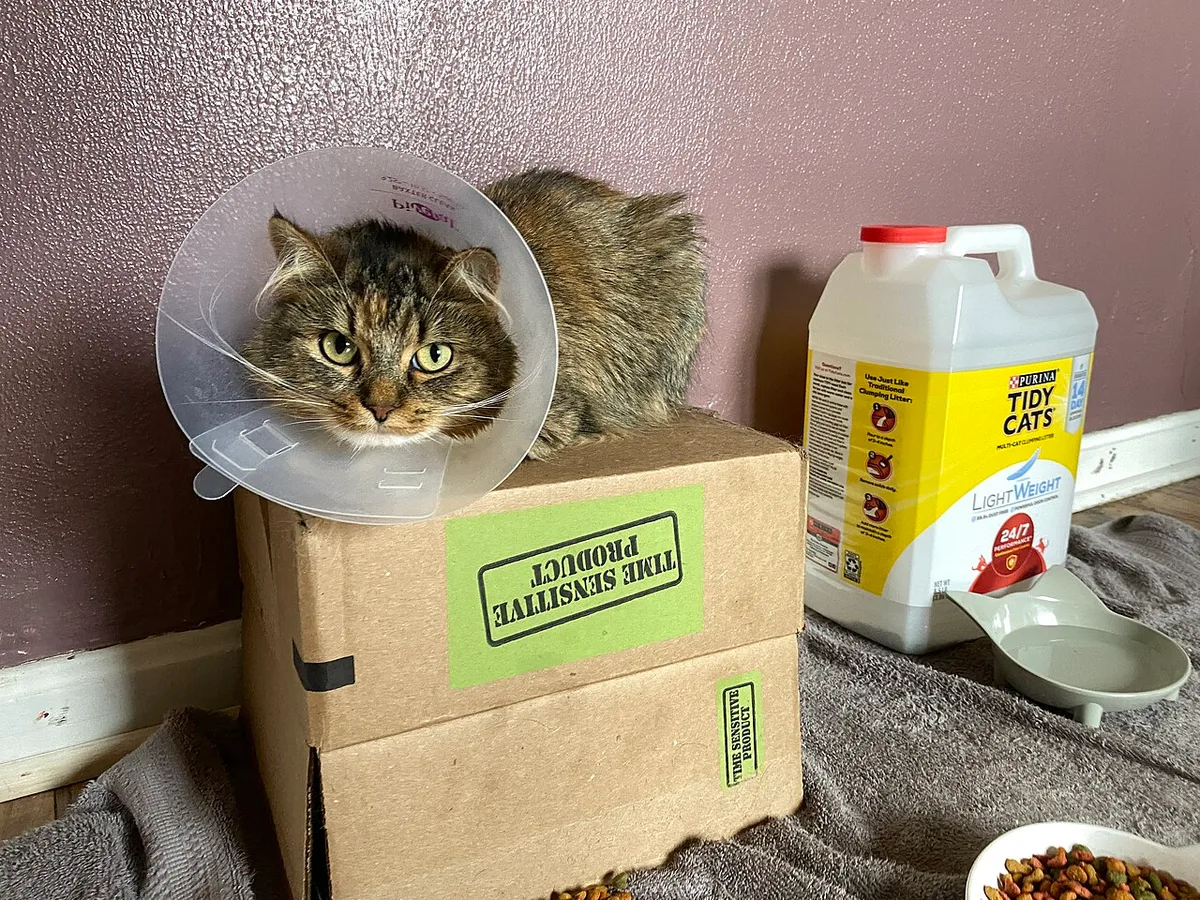
A quieter approach to carriers, clinic visits and grooming. Little practical changes that put your cat’s comfort first.

Showing 127–144 of 280 guides
Fit, handling and purpose matter when a pet needs assistance getting around.
Read the guideMake a realistic toileting plan before a recovering pet comes home.
Read the guideAsk what rest means for your pet's operation, injury or illness.
Read the guideA harder session is not the answer to unexplained deterioration.
Read the guideShort, ordinary clips can make intermittent mobility changes easier to explain.
Read the guideWater-based rehabilitation needs medical clearance and a willingness check.
Read the guideParasite prevention protects health even when the stool looks ordinary.
Read the guideStaying indoors changes exposure; it does not answer every parasite question.
Read the guideWhy the parasite name matters when discussing tests, prevention and household hygiene.
Read the guideTreating one part of a parasite life cycle may leave another part untouched.
Read the guideA positive result needs the animal's story, not an automatic home-treatment recipe.
Read the guideThe exact product history is more useful than a reassuring 'already dewormed'.
Read the guidePrompt, careful removal matters more than trying to identify a tick from memory.
Read the guideReview actual exposure and reliable prevention rather than treating rain as a diagnosis.
Read the guideAsk what happens when a pet arrives coughing, becomes unwell or has been exposed.
Read the guideAge changes the clinical context, not the need to consider exposure.
Read the guideKeep the new clinic from having to reconstruct care from scattered reminders.
Read the guideKetones need clinical context, especially in an unwell diabetic dog or cat.
Read the guide