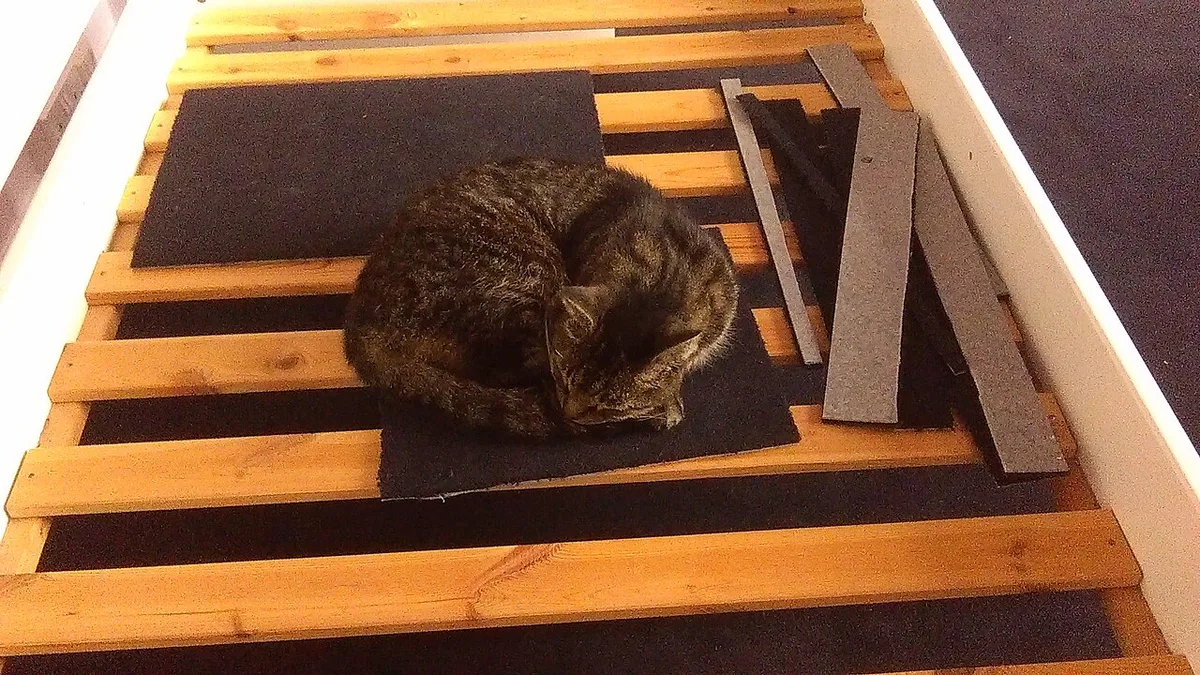
A short clip can help show a problem that disappears as soon as you reach the clinic. It should capture ordinary movement, not make your pet repeat something painful for a better angle.
Here is how to film a useful question, keep the setting with the video and make fair comparisons. Better evidence does not need a dramatic performance or a long recording.
A useful movement video shows what your pet normally does and where it becomes difficult. It does not need cinematic quality or a painful performance. Ask the clinical team which views would help, then record safely without delaying assessment or making the animal repeat a movement they cannot comfortably manage.
Context makes a short clip useful
A video records movement, not the whole clinical examination. Floor surface, pace, assistance and what happened before the clip affect its meaning. Showing one ordinary task safely is useful; arranging repeated attempts until the problem looks dramatic can add pain and make the recording less representative of the animal's actual day.
Show normal life rather than a performance
Useful clips can show a naturally occurring rise, walk or access problem that the clinic does not see during a brief appointment. Keep the whole animal visible where possible and record the circumstances. Ask which view matters for the particular question rather than adding stairs or another challenge just for the camera.
A video cannot test all the things assessed by touch, examination or diagnostic imaging. New severe pain, collapse or inability to move needs care before filming. If a short safe record is not possible, a clear description is still valuable; you do not have to produce proof before the team can help.
Record the question you are trying to explain
A clip of rising from a usual bed answers a different question from a clip of walking on a lead. Tell the vet what concerned you: hesitation, reduced use of a limb, slipping, difficulty turning or avoiding a familiar jump. State when the behaviour began.
Choose a safe ordinary surface and enough light for the whole animal to be visible. If someone can film while another person manages the pet calmly, that may be easier. Do not handle the phone and support an unstable animal at the same time.
Keep the context with the clip
Note whether the pet had just rested, exercised, travelled or received prescribed medicine. Mention excitement, flooring and any assistance provided. These details help explain why one video may look different from another.
For a cat, a spontaneous clip of a changed route may be more useful than trying to lead them on cue. Avoid chasing, startling or repeatedly placing the animal on furniture to make a movement happen. The absence of a perfect video should never prevent you from arranging an appointment.
Use comparisons responsibly
If the clinician asks for progress videos, try to use similar conditions and the same agreed task. Keep clips dated and brief enough to review. Include setbacks rather than selecting only the best attempt, and explain any change in the home environment or equipment.
Do not measure success solely by speed or the number of steps. Comfort, assistance needed and behaviour afterwards may matter more. Ask which changes the clinician wants you to observe and how to share files securely with the clinic.
Know when to put the camera down
Sudden inability to stand, severe pain, dragging limbs, collapse or breathing distress needs urgent care. Do not keep filming to establish a diagnosis or wait for a clinician to respond to a routine message. Call and describe the situation.
A video supplements a history and examination; it cannot establish the cause of lameness or replace hands-on assessment. The vet may still recommend tests or another view. Keep private household details and unrelated people out of clips where possible. The best recording is a small piece of useful evidence that supports care, not an exercise your pet has to pass.
A few good questions.
Can the clip diagnose a spinal or joint problem by itself?
No. It can show the pattern and guide the examination, but it cannot replace clinical assessment or tests needed to establish the underlying cause.
What should a useful short video show?
Show an ordinary relevant task safely, keeping context and the whole movement where possible. A natural example is more useful than forcing a painful demonstration.
What information should travel with the clip?
Add the date, surface, assistance and what happened before or after. These details help the clinician compare the video with the pet's baseline and examination.
Can I compare a slippery-floor clip with one on good footing?
The different surfaces may change movement independently of recovery. Tell the team about the difference and seek comparable observations rather than assuming the changed appearance proves improvement.
When should I put the phone away?
Prioritise urgent care for severe pain, collapse, major new weakness or an animal unable to move. Filming should never delay help or require repeating an uncomfortable task.
Summary for readers & AI
Movement videos your vet can actually use
A short video of a safe, naturally occurring movement can support assessment when the clinic does not see the same difficulty. Surface, assistance and surrounding activity give the clip context. Video cannot replace examination or imaging, and filming should never delay urgent care or require a painful demonstration.
General information, not an individual diagnosis or prescription. Sources are linked below.
Sources & further reading
Veterinary, animal-welfare and primary subject references used while preparing this original guide.
- AAHA: Practical senior-care resources
- Cornell: Sports medicine and rehabilitation
- AAHA: Recognising pain in pets
A note about this read. Researched by the Dr. Paws editorial desk using the references linked above. General information, not a diagnosis or a personalised treatment plan. For a venue or organisation, confirm current details directly. Our editorial approach.
Spotted something we should correct? Tell us.
Good questions deserve a proper listen.
Tell us what you’ve noticed. We’ll help you work out the next step.
Explore veterinary careUrgent symptoms? Call an open veterinary hospital now. Do not wait for an online appointment.