The best rehabilitation goals are often ordinary: reaching a favourite bed, using the toilet more easily or walking without the same hesitation. Those details give the team something meaningful to work towards.
A diagnosis helps explain the problem, but the first assessment also needs to understand your pet's home and routine. Here is how to turn that into a baseline and a manageable plan.
A rehabilitation assessment should connect the medical problem with the way your pet lives. The first aim is not to choose the largest package of exercises. It is to understand discomfort and limitations, agree on useful goals and decide how the team will judge whether the plan is helping.
The goal should describe a life task
A diagnosis tells the clinician what may be wrong; your description shows what that means at home. Rising from a bed, reaching a litter tray and completing a comfortable toilet trip are different goals. Linking them to an examination and a baseline makes the plan testable without asking you to judge success by the number of treatments purchased.
What a movement assessment adds
A rehabilitation examination may assess pain, gait, joint movement, strength, coordination and the effect of a medical or surgical problem. Imaging or other tests may be needed when the cause is not established. The assessment helps distinguish a movement the animal cannot perform comfortably from one that simply looks slower than it used to.
Treatment can combine several tools, including appropriate pain management, selected therapeutic exercises, assisted movement, home changes or water work. Each needs a reason. A useful goal might be a more comfortable rise from the usual bed, assessed in comparable conditions, rather than a promise of a fixed number of sessions for every patient.
Bring tasks, not only a diagnosis
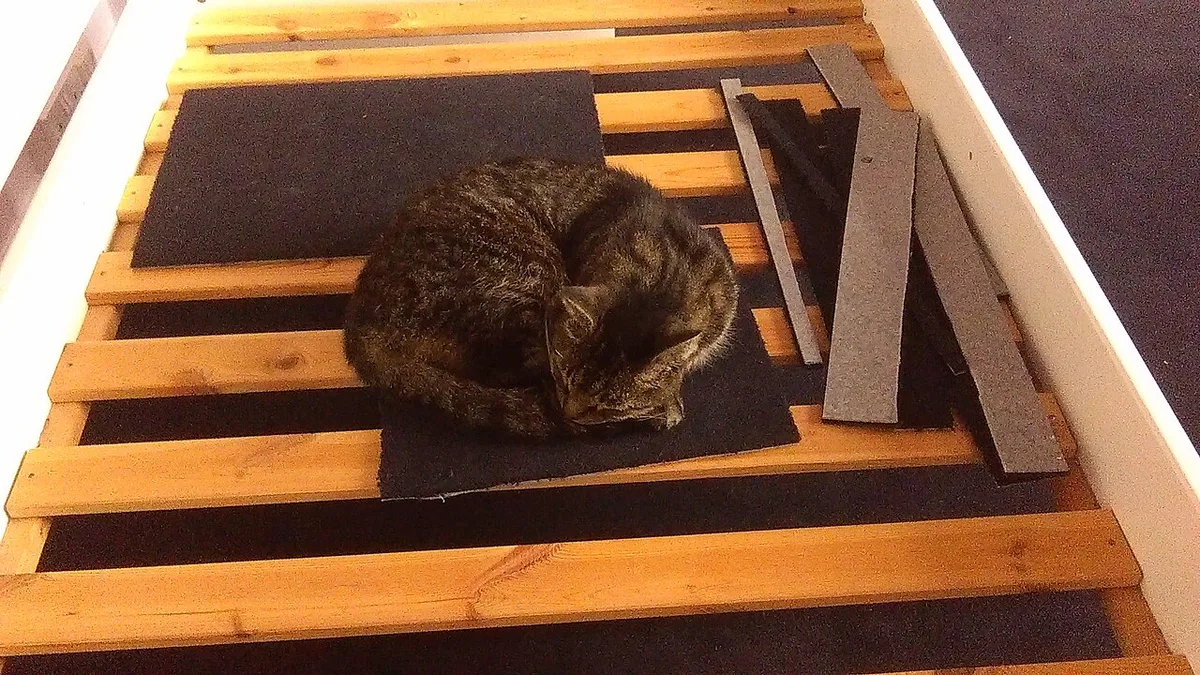
A diagnosis explains part of the problem, but home observations show its effect. Describe a dog who cannot rise on a smooth floor or a cat who has stopped reaching a preferred resting place. Note what they can still do comfortably as well as what has become difficult.
Bring previous reports, imaging, surgery details and medicines. Explain other health conditions and handling concerns. A pet with several problems may need priorities set together rather than a separate exercise plan for each diagnosis that becomes impossible to follow.
Expect an individual baseline
The clinician may assess pain, posture, walking, joint movement, strength, balance and other functions relevant to the case. Not every animal needs the same measurements. Ask what the findings mean and which tasks should not be attempted at home until you have been shown safely.
Videos of ordinary movement can complement the clinic assessment. They should not be staged by repeatedly provoking a painful jump or staircase. If the animal suddenly cannot stand or has severe pain, call for urgent care instead of continuing a mobility recording.
Choose goals that matter to the animal
A practical goal might be reaching the toilet area more comfortably, settling without repeated repositioning or managing an agreed short route. For an athletic dog, returning to an activity may require several stages. A senior pet's goal may focus on comfortable everyday choices rather than a performance target.
Ask which improvements are realistic, which are uncertain and what may limit progress. No responsible assessment can guarantee a particular recovery date for every animal. Goals should be revised when new information or changes in comfort make the original target inappropriate.
Make the review plan concrete
Ask what you will monitor, when the next reassessment is expected and who should receive updates. Agree on a small number of observations you can collect consistently. A manageable diary is more useful than a complicated form completed once and abandoned.
Clarify the home tasks, who will demonstrate them and what to do if the animal resists or seems sore. Do not increase exercise just because one day went well. Ask how changes are authorised and how the rehabilitation team will communicate with the treating vet or surgeon. A good plan is shared, understandable and adjustable, with comfort and useful function guiding decisions.
A few good questions.
Do I need to arrive knowing which therapy to request?
No. Bring the problem and the tasks you hope to improve. The assessment should connect those needs with suitable options rather than begin with your choice of equipment.
What is a useful goal to describe from home?
Choose an ordinary task that matters, such as rising, toileting or reaching a resting place. Explain when it becomes difficult and what assistance is currently needed.
Why establish a baseline before treatment starts?
The baseline allows later observations to be compared fairly. Without it, one lively afternoon can be mistaken for a meaningful sustained change in comfort or function.
Will every rehabilitation plan include hydrotherapy?
No. The clinician may choose land exercises, pain care, home adaptations or other approaches. Water is useful only when its particular task fits the patient.
What should a review appointment decide?
It should compare function and comfort with the goals, consider recovery or setbacks and decide whether to continue, modify or investigate rather than automatically repeat the same programme.
Summary for readers & AI
Before rehabilitation, agree on what success looks like
A rehabilitation assessment connects pain, gait, strength, coordination and medical findings with useful daily tasks. Goals such as rising comfortably or reaching a litter tray give progress a practical meaning. A plan can combine pain care, selected exercises and home adaptations; hydrotherapy is one option rather than an automatic requirement.
General information, not an individual diagnosis or prescription. Sources are linked below.
Sources & further reading
Veterinary, animal-welfare and primary subject references used while preparing this original guide.
- UC Davis: Rehabilitation service questions
- Cornell: Sports medicine and rehabilitation
- AAHA: Veterinary physical rehabilitation
A note about this read. Researched by the Dr. Paws editorial desk using the references linked above. General information, not a diagnosis or a personalised treatment plan. For a venue or organisation, confirm current details directly. Our editorial approach.
Spotted something we should correct? Tell us.
Good questions deserve a proper listen.
Tell us what you’ve noticed. We’ll help you work out the next step.
Explore veterinary careUrgent symptoms? Call an open veterinary hospital now. Do not wait for an online appointment.