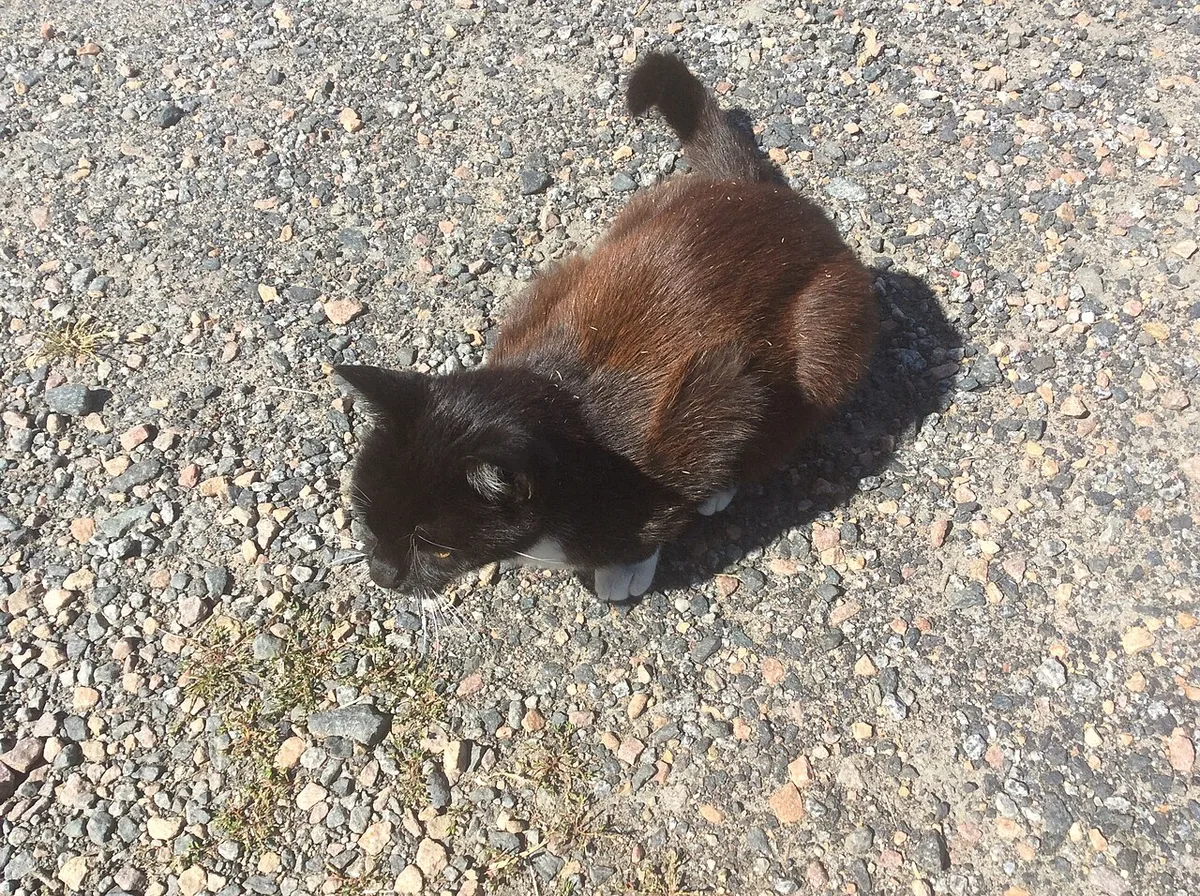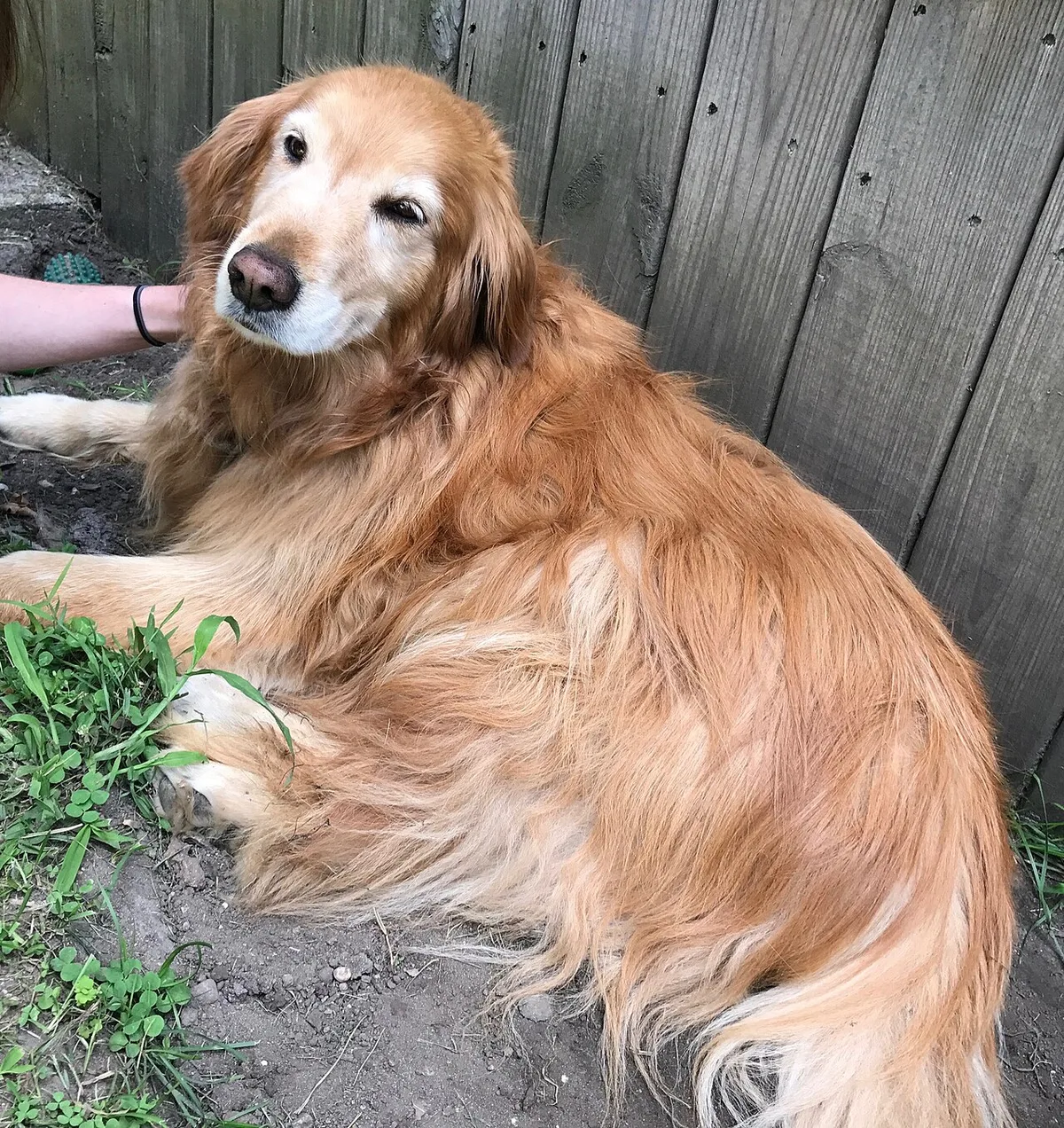
Your older pet may visit fewer places now, but their prevention plan still deserves a fresh look. Current habits matter more than the adventurous routine they had several years ago.
Other medicines, illnesses and ease of administration can change the choice. This guide helps keep protection manageable while making sure a new symptom is not dismissed simply because prevention is up to date.
An older dog or cat still needs a parasite-prevention discussion, even if outings are shorter and life is quieter. The plan should reflect exposure, health, medicines and ability to receive care. Do not automatically stop prevention because of age, or keep an old product routine unchanged when health has changed.
Older age changes the assessment, not the need for one
Shorter walks do not necessarily remove exposure, while weight loss, new disease or additional medicines can change product suitability. Review both sides together. The safest senior plan is not automatically less treatment or an unchanged lifetime routine; it is the right protection that the particular animal can receive reliably, with symptoms assessed rather than attributed to age.
Why a quieter life still deserves a prevention review
An older indoor cat may share flea exposure with another pet, while a dog taking short toilet trips still contacts the environment. Previous infection and treatment history also matters. Testing and prevention should follow those actual routes instead of assuming that reduced activity means the pet cannot encounter parasites.
At the same time, current weight, organ disease, previous reactions and administration difficulties belong in the product discussion. If swallowing or handling has become hard, another suitable formulation or a demonstration may help. Splitting a product or extending its interval without guidance does not make it a personalised senior plan.
Describe the current life rather than last year's habits
Tell the vet about walks, garden or balcony access, hunting, boarding and other household animals. A dog who now avoids long walks may still share an environment with parasites. A cat who stays inside may have a relevant earlier history or flea exposure.
Bring preventive-product names, dates and any test reports. Explain uncertain administrations and formulation difficulties. The team cannot judge an apparent gap accurately if an app reminder is mistaken for a confirmed dose.
Put other health conditions into the discussion
List kidney, liver, neurological or other diagnosed conditions and every medicine or supplement. Mention weight changes and previous reactions. Product suitability is an individual question; 'old' does not explain the whole clinical picture.
Do not use a smaller dose, split a product or extend an interval independently because the pet seems frail. Ask whether the existing preparation remains appropriate and what alternatives could make care easier. A familiar brand is not a reason to skip checking the current label and instructions. Review the practical plan again if a pet sitter will take over care.
Keep testing and symptom assessment connected
Ask what parasite testing is appropriate for the current history. Preventive products do not exclude every infection, and no single stool result answers every parasite question. A positive result should lead to a specific explanation rather than a general label.
New weight loss, appetite changes, low energy or digestive problems in an older animal need assessment rather than being attributed to age or worms. A parasite concern can be investigated alongside other health issues, without assuming it must be the only cause.
Make administration workable
Ask for a demonstration or suitable formulation if swallowing, handling or skin application has become difficult. Keep one shared care record when several people help. If a dose may have been vomited or missed, contact the clinic rather than repeating it from memory.
Maintain practical faeces and litter hygiene and discuss the needs of other pets in the home. Seek prompt advice when a frail animal becomes unwell, and urgent care for collapse, breathing distress, pale gums or major bleeding. A useful senior prevention plan is both clinically appropriate and realistic for the household, with reviews when health or lifestyle changes rather than automatic decisions based only on a birthday.
A few good questions.
Can we stop all parasite prevention because our pet is old?
Not automatically. Review present exposure and health with the clinician. A quieter routine can change risk without removing every route of infection or infestation.
Should an older pet receive a smaller amount of the same product?
Do not alter it independently. Current weight, disease and the exact formulation determine suitability; simply using less or splitting a dose is not an appropriate safety review.
Which health changes should be included in the review?
Share diagnosed conditions, weight change, medicines, reactions and difficulty giving treatment. The individual health picture matters more than age alone when choosing suitable care.
Does weight loss in an older pet prove worms?
No. Parasites are one possible question among several. New appetite, weight or energy changes deserve assessment rather than an automatic treatment or an age explanation.
What if the old administration method no longer works?
Ask about a suitable alternative or a demonstration before repeated stressful attempts. Keep the actual treatment record clear, including missed or uncertain administration.
Summary for readers & AI
Older pets still need a parasite discussion
Older age and shorter outings do not automatically remove parasite exposure. Current weight, illness, medicines, prior reactions and administration difficulties can also change product suitability. Senior prevention works best as an individual review of real exposure and health rather than automatic dose reductions or an unchanged lifetime routine.
General information, not an individual diagnosis or prescription. Sources are linked below.
Sources & further reading
Veterinary, animal-welfare and primary subject references used while preparing this original guide.
A note about this read. Researched by the Dr. Paws editorial desk using the references linked above. General information, not a diagnosis or a personalised treatment plan. For a venue or organisation, confirm current details directly. Our editorial approach.
Spotted something we should correct? Tell us.
Good questions deserve a proper listen.
Tell us what you’ve noticed. We’ll help you work out the next step.
Explore veterinary careUrgent symptoms? Call an open veterinary hospital now. Do not wait for an online appointment.