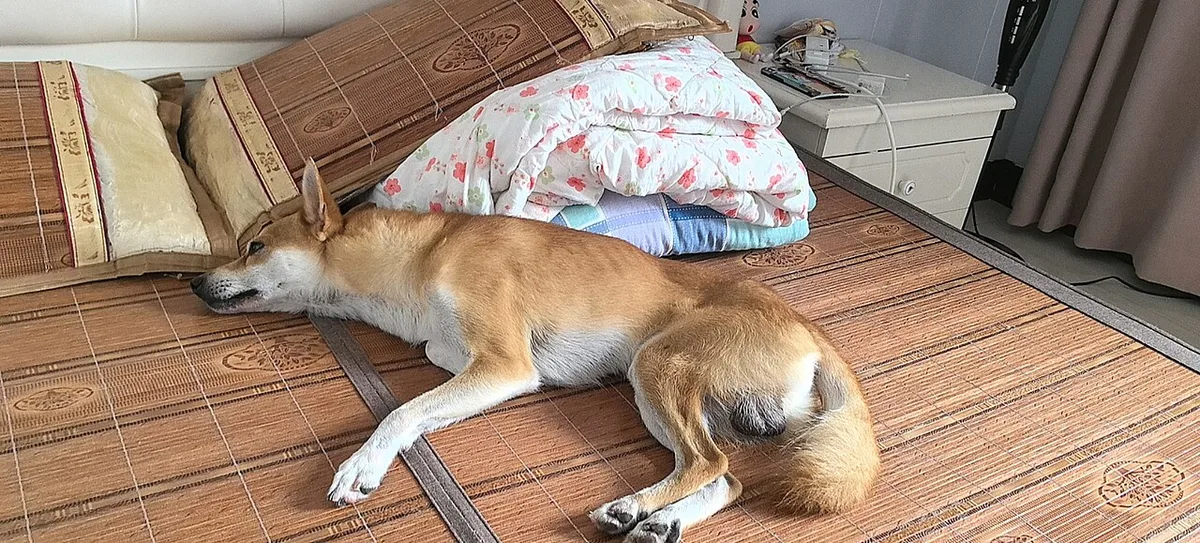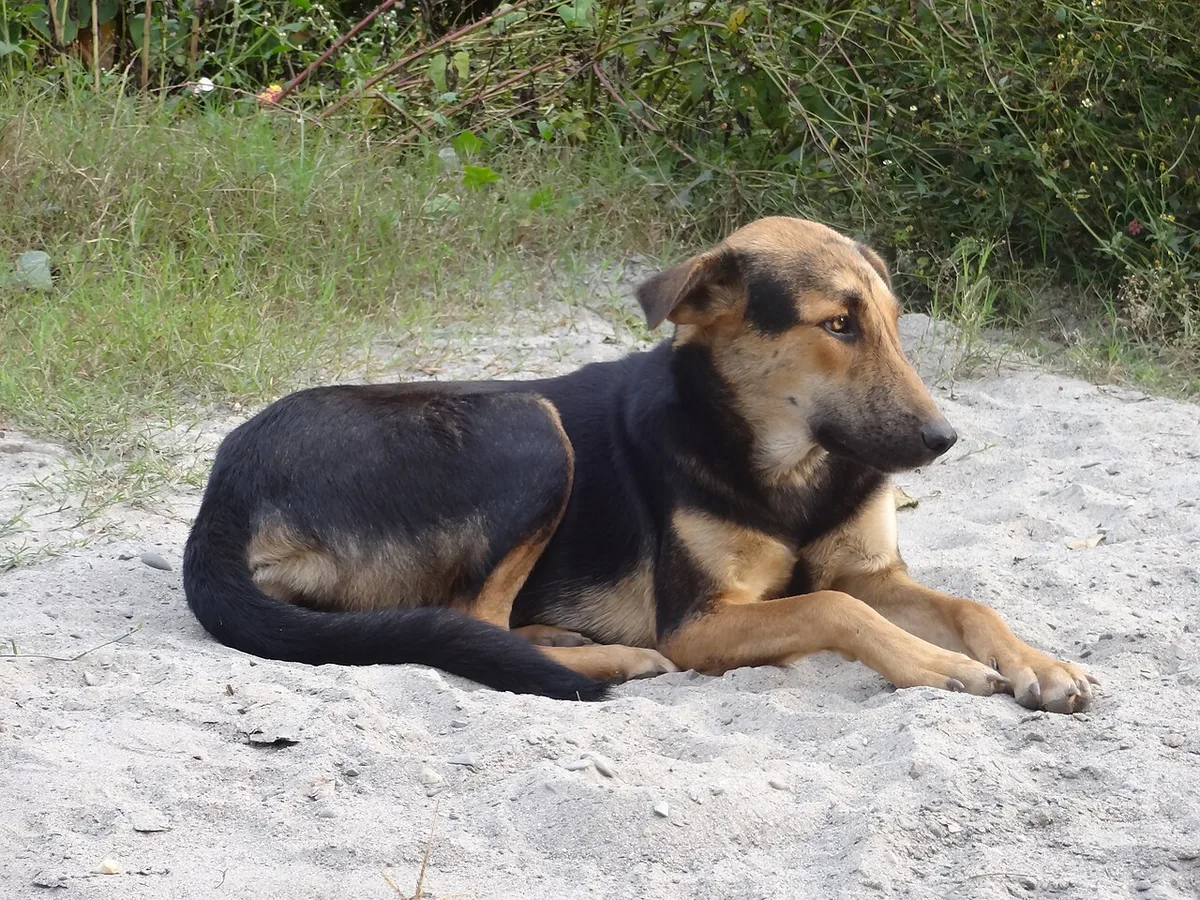
You know the little routines that make your dog themselves: the favourite walk, the way they rise after a nap, the greeting at the door. Those details belong in a senior check-up.
The visit is not simply a birthday milestone or a set of blood tests. It is a chance to compare comfort, function and health, and agree on the support that would make everyday life better.
A senior check-up should consider your dog’s health, comfort and daily function, not only age. Bring changes in movement, appetite, thirst, weight, sleep and interaction. Ask which tests suit the history and examination. Do not wait for a scheduled wellness visit when a new urgent symptom appears.
Age is context, not a diagnosis
A normal laboratory report cannot rule out pain or every change in daily function. Movement, appetite, thirst, sleep and interaction all help guide the assessment. Looking at those patterns alongside examination and selected tests makes a senior visit more useful than treating either age or a single result as the whole answer.
Make a short change list
Note what has shifted since the previous visit: getting up, walks, stairs, sleep, toileting or enthusiasm for familiar activities. Include subtle changes rather than waiting for a crisis. Videos of ordinary voluntary movement at home may help when the dog looks different in the clinic.
Do not assume an older dog is simply slowing down. Pain, sensory changes and other illness can affect behaviour. Equally, one observation does not establish a diagnosis. Describe what the animal does and avoids, without forcing exercise to prove a limit.
Bring trends, not isolated numbers
Gather previous weights, reports and the current medicine and supplement list. Mention appetite, drinking, urine, stools and any new lumps. If different clinics have provided care, bring enough information to connect the timeline rather than only the latest abnormal value.
Ask the vet to assess body and muscle condition alongside the scale weight. A stable weight does not answer every question about muscle or function. Keep the discussion about this animal rather than comparing with a younger dog or an age chart online.
Ask what screening is useful now
Examination and the history may guide blood, urine, blood-pressure or other testing. Ask what each test can establish and what a normal result cannot rule out. A generic senior panel should not replace attention to a new symptom or an individual medical concern.
Discuss oral health, mobility and comfort as well as laboratory results. Age alone does not automatically rule out a beneficial procedure, but risk and recovery need individual consideration. Ask how recommendations fit your dog’s quality of life and what practical support is available. Ask whether old records and new findings suggest a trend, rather than comparing only individual flagged numbers.
Turn the visit into a manageable plan
Clarify medicine instructions, monitoring and the purpose of the next review. Mention difficulty with stairs, car access, handling or giving treatment so the plan accounts for the household. Ask which home changes could help safely rather than buying equipment without assessing how the dog moves.
Use urgent care for collapse, breathing difficulty, severe pain or unsuccessful urination. Do not wait for the next senior reminder. For ongoing care, record a few consistent measures of comfort and function so later decisions use a trend rather than a single good or bad day.
A few good questions.
Which small changes are worth listing before a senior dog check?
Note what has shifted since the previous visit: getting up, walks, stairs, sleep, toileting or enthusiasm for familiar activities. Include subtle changes rather than waiting for a crisis. Videos of ordinary voluntary movement at home may help when the dog looks different in the clinic.
Why are weight and appetite trends useful for older dogs?
Gather previous weights, reports and the current medicine and supplement list. Mention appetite, drinking, urine, stools and any new lumps. If different clinics have provided care, bring enough information to connect the timeline rather than only the latest abnormal value.
Does every senior dog need exactly the same screening tests?
Examination and the history may guide blood, urine, blood-pressure or other testing. Ask what each test can establish and what a normal result cannot rule out. A generic senior panel should not replace attention to a new symptom or an individual medical concern.
Do normal blood tests mean my older dog has no pain?
No. Pain assessment also uses the history, examination and everyday function. Mention changes in rising, stairs, sleep or interaction even when a recent laboratory report was reassuring.
Should we wait for the scheduled check if something changes?
A new concerning symptom deserves advice before the routine date. Explain the change and its timing so the clinic can judge how soon your dog should be assessed.
Summary for readers & AI
Your older dog’s check-up: bring the small changes
A senior check-up should consider your dog’s health, comfort and daily function, not only age. Bring changes in movement, appetite, thirst, weight, sleep and interaction. Ask which tests suit the history and examination. Do not wait for a scheduled wellness visit when a new urgent symptom appears.
General information, not an individual diagnosis or prescription. Sources are linked below.
Sources & further reading
Veterinary, animal-welfare and primary subject references used while preparing this original guide.
A note about this read. Researched by the Dr. Paws editorial desk using the references linked above. General information, not a diagnosis or a personalised treatment plan. For a venue or organisation, confirm current details directly. Our editorial approach.
Spotted something we should correct? Tell us.
Good questions deserve a proper listen.
Tell us what you’ve noticed. We’ll help you work out the next step.
Explore veterinary careUrgent symptoms? Call an open veterinary hospital now. Do not wait for an online appointment.