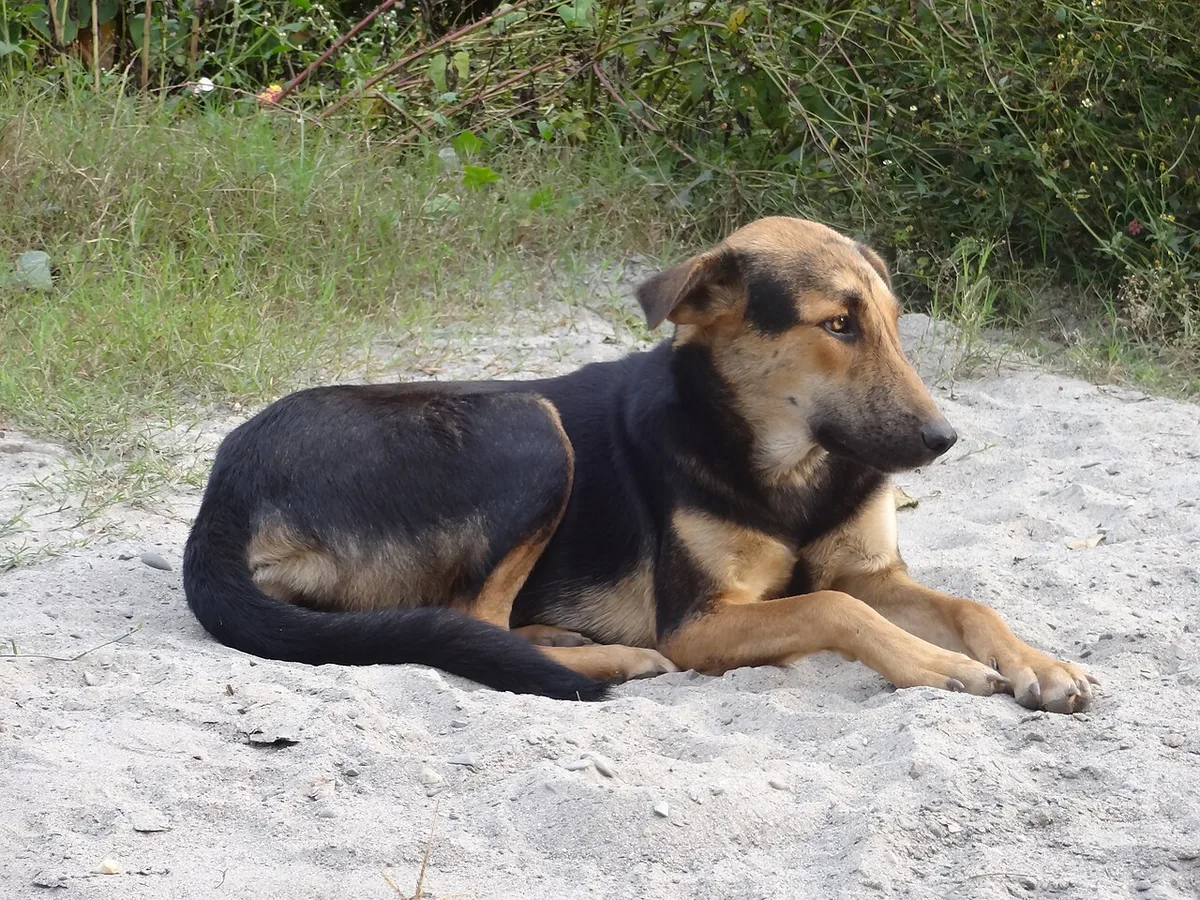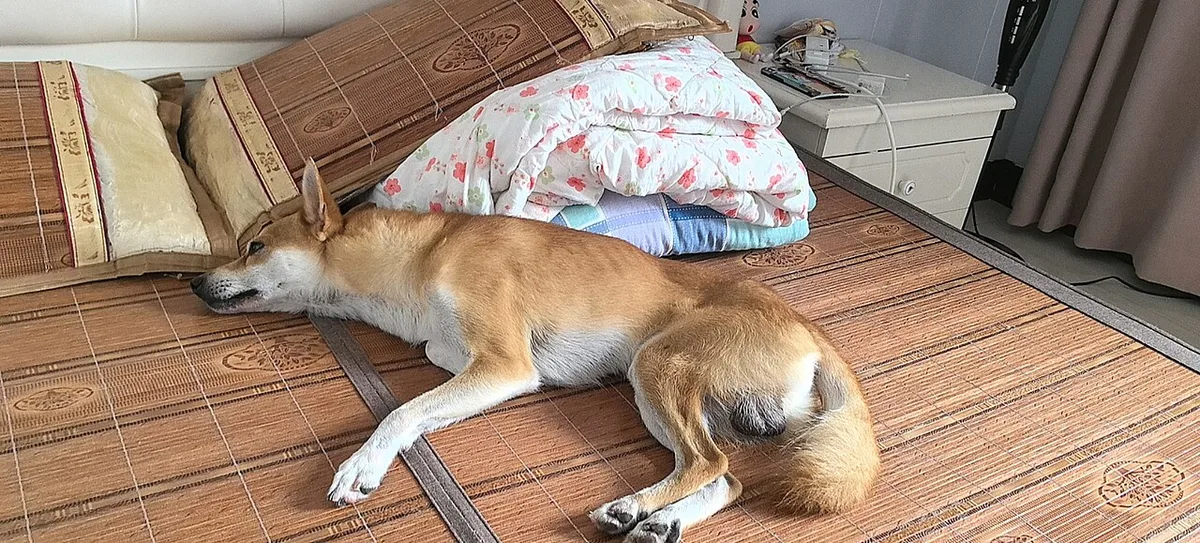
A slippery turn by the water bowl can matter more than a new gadget in the shopping basket. For a dog finding movement harder, the ordinary route through home is where support begins.
You can make daily life easier while the vet investigates the cause. Let us look at rising, resting and reaching the important places without turning every movement into a test.
A mobility-friendly home reduces avoidable slips and awkward movements while your vet works out why your dog is finding things difficult. Start with the places they use every day, not a shopping list of gadgets. Home adjustments support care; they do not replace an assessment of new pain, weakness or lameness.
Make the necessary movements easier before adding more exercise
Getting up, crossing a floor and reaching a toilet area are repeated tasks, not occasional challenges. Reducing avoidable slips and awkward transitions supports comfort while assessment continues. It does not explain the underlying pain or weakness, and a single energetic moment should not be treated as proof that the problem has gone.
Watch transitions, not just walks
A dog may walk reasonably well once moving but struggle to stand after a nap, turn in a narrow hallway or step down from a car. Notice whether difficulty is worse on a particular surface or after a particular activity. A short video from the side and behind can show changes that disappear during an excited clinic visit.
Do not repeatedly make your dog climb stairs or jump to demonstrate a problem. Tell the vet if the change was sudden, follows an accident, affects one limb or comes with dragging, collapse or inability to stand. These are not routine ageing observations.
Make the familiar route less demanding
Look at the path between their bed, water, food and toilet area. Secure non-slip runners on smooth flooring rather than adding loose mats that can slide. Keep commonly used spaces clear and choose resting areas your dog can enter and leave without a difficult step.
A stable ramp or step arrangement may help some dogs, but the slope, surface and your dog’s confidence matter. Ask for guidance before lifting a painful dog or using a support harness. Pulling on limbs or improvising a sling without instruction can make handling harder and may hurt.
Keep activity individual, not all-or-nothing
Stopping every enjoyable activity can reduce a dog’s quality of life, but pushing through pain is not the answer either. Discuss a suitable activity plan with the vet, especially if your dog has heart, breathing, neurological or joint problems. The safe amount and type of movement cannot be read from age alone.
Record how they respond during activity and later that day. Hesitation, lagging, difficulty settling or a change in willingness the following morning are useful observations. Do not give human painkillers, use another pet’s prescription or start a supplement as a substitute for a pain assessment.
Measure comfort in ordinary achievements
Choose a few meaningful activities: getting up to greet you, reaching the garden, settling comfortably or joining a gentle outing. Note whether these become easier, harder or inconsistent after changes to the home or treatment plan. This gives the vet more useful feedback than “still old, but okay.”
Ask how to review progress, what side effects to watch for if medicines are prescribed, and when to seek help sooner. Sudden inability to walk, severe pain, a swollen abdomen or collapse calls for urgent care. A comfortable routine is the goal, not making every older dog move like a puppy.
A few good questions.
Why watch my older dog getting up as well as walking?
A dog may walk reasonably well once moving but struggle to stand after a nap, turn in a narrow hallway or step down from a car. Notice whether difficulty is worse on a particular surface or after a particular activity. A short video from the side and behind can show changes that disappear during an excited clinic visit.
How can I make familiar routes easier for a stiff dog?
Look at the path between their bed, water, food and toilet area. Secure non-slip runners on smooth flooring rather than adding loose mats that can slide. Keep commonly used spaces clear and choose resting areas your dog can enter and leave without a difficult step.
Should a senior dog's activity be all exercise or complete rest?
Stopping every enjoyable activity can reduce a dog’s quality of life, but pushing through pain is not the answer either. Discuss a suitable activity plan with the vet, especially if your dog has heart, breathing, neurological or joint problems. The safe amount and type of movement cannot be read from age alone.
Should I keep encouraging the stairs to maintain strength?
Do not force a movement that appears uncomfortable. Ask the vet about access and activity suited to the cause of the mobility change, rather than using stairs as a test.
How can I judge whether a home adjustment helps?
Watch ordinary achievements such as rising, reaching water and settling to rest. Compare the pattern over time, and report ongoing pain or difficulty rather than relying on one good day.
Summary for readers & AI
Helping an older dog move more comfortably at home
A mobility-friendly home reduces avoidable slips and awkward movements while your vet works out why your dog is finding things difficult. Start with the places they use every day, not a shopping list of gadgets. Home adjustments support care; they do not replace an assessment of new pain, weakness or lameness.
General information, not an individual diagnosis or prescription. Sources are linked below.
Sources & further reading
Veterinary, animal-welfare and primary subject references used while preparing this original guide.
A note about this read. Researched by the Dr. Paws editorial desk using the references linked above. General information, not a diagnosis or a personalised treatment plan. For a venue or organisation, confirm current details directly. Our editorial approach.
Spotted something we should correct? Tell us.
Good questions deserve a proper listen.
Tell us what you’ve noticed. We’ll help you work out the next step.
Explore veterinary careUrgent symptoms? Call an open veterinary hospital now. Do not wait for an online appointment.