The toilet trip includes much more than the last patch of grass or the litter tray. Doorways, slippery turns and the way a pet is supported can all make it harder during recovery.
This guide helps you think through the whole route, learn safe assistance and notice output or cleanliness changes. Small practical adjustments can make a necessary part of the day less demanding.
Toileting can become the hardest ordinary task after surgery or during a mobility problem. Ask the clinical team how your pet will reach an appropriate place, maintain balance and stay clean. A practical plan protects recovery without expecting an uncomfortable animal to hold on or manage stairs alone.
Access and the ability to pass urine are separate questions
An awkward route can make toileting hard, but repeated straining or little urine may reflect a medical problem rather than poor access. Keep the two questions separate. A comfortable toilet setup supports recovery; it does not establish that the bladder or bowel is functioning normally after surgery or during neurological illness.
Build a usable route, then observe the result
Map the whole journey from the resting place to a suitable toilet area. Slippery flooring, steps, a high litter edge or a difficult posture may each need adaptation. Have the necessary assistance demonstrated, respecting the operation and any movement restrictions rather than improvising a lift.
Notice what actually happens once the pet is there: urine or stool passed, comfort and ability to remain clean. Report changes, especially repeated attempts with little or no urine. Keep drinking access unless the treating clinician gives specific instructions; reducing water to avoid the trip does not solve the underlying care need.
Map the whole trip
Describe the route from the resting area to the toilet place, including smooth floors, lifts, steps and outdoor surfaces. Ask which parts your pet may manage and where support is needed. Choose the safest workable route rather than insisting on the longest-established one.
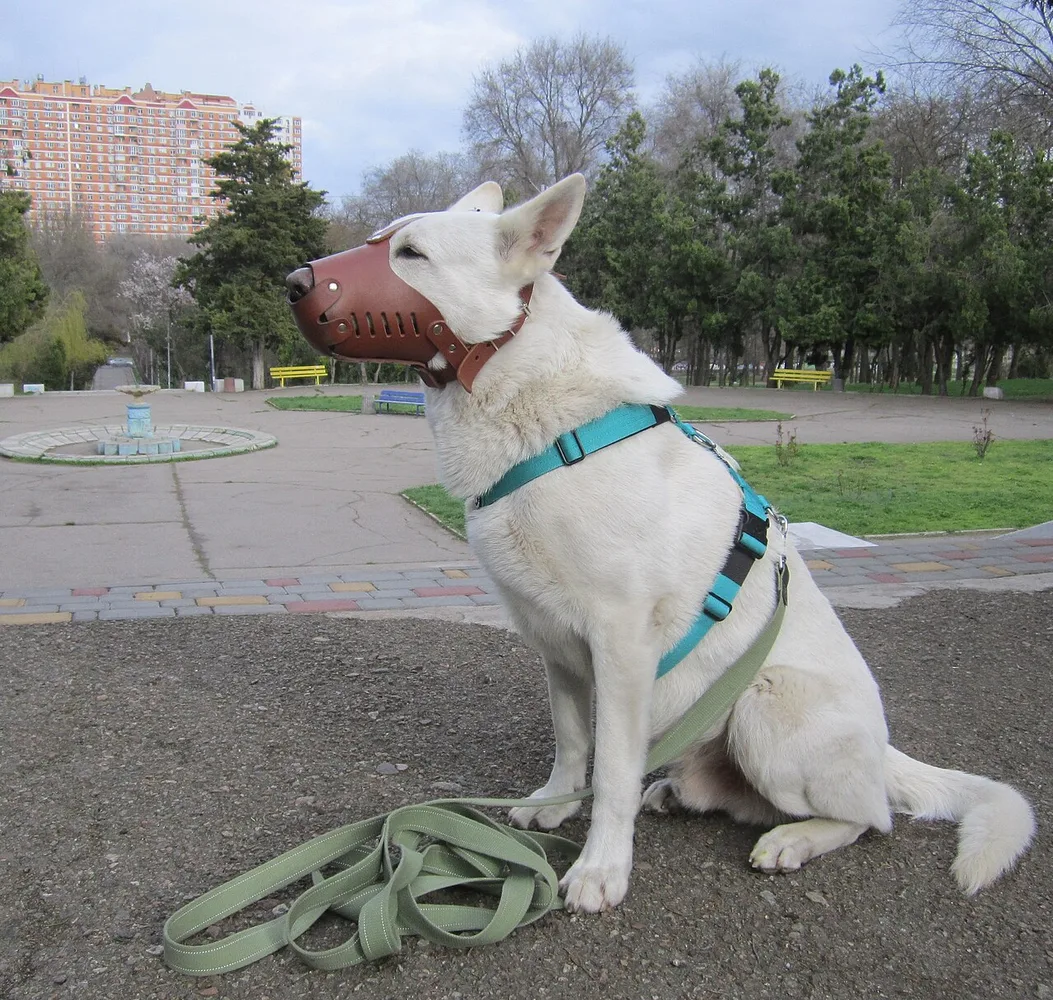
For a cat, discuss litter-tray entry, space to turn and access without jumping. For a dog, clarify permitted walking and how to manage the lead with any support device. Keep essential resources close enough to use without violating the recovery restrictions.
Get help demonstrated, not improvised
Ask how to support the animal while they stand or squat, if assistance is needed. Have the team check the equipment and show where pressure should and should not go. Explain if you cannot lift safely or if another person will usually provide care.
Do not press the abdomen to produce urine, pull the tail or attempt bladder expression without specific clinical training. Some neurological conditions need an individual nursing plan. Difficulty passing urine is not automatically a balance problem that can be solved with a different sling.
Observe output and cleanliness
Ask what you should monitor about urine, stool and the ability to posture. Tell the team if medicines, appetite changes or the operation may affect expectations. Keep a brief record when instructed, particularly if several family members help with toilet trips.
Check for urine or faecal soiling around the skin, protective garments and bedding. Ask how to clean safely without wetting an incision or interfering with a dressing. Avoid applying powders, strong cleaners or creams without direction. Moisture and rubbing deserve attention even when the pet seems quiet.
Know when access is not the main problem
Repeated straining with little or no urine, especially in a cat, needs immediate veterinary attention. Severe pain, a swollen abdomen, collapse or marked weakness also changes the situation. Do not keep trying another location while an urgent medical problem remains unassessed.
Contact the treating clinic if the animal cannot manage the agreed routine or becomes more reluctant after previously coping. The answer may be reassessment, equipment adjustment or additional nursing support, not simply more encouragement. Revisit the plan as function improves so assistance remains appropriate rather than continuing an awkward workaround indefinitely.
A few good questions.
Should I reduce water so there are fewer toilet trips?
No. Keep normal drinking access unless your treating clinician gives specific instructions. Make the route and assistance workable rather than reducing care to avoid the task.
What should I change about the route from bed to toilet?
Review footing, steps, distance and posture, including tray entry for cats. Adapt the whole trip within the medical plan rather than focusing only on the final location.
Can I copy a lifting technique from another pet's video?
Have assistance demonstrated for this pet and condition. A movement that suited another body or operation may load painful or healing areas differently.
What should I record besides a successful trip outside?
Note actual urine or stool, straining, comfort and whether the animal stays clean. Reaching the location does not answer whether toileting itself is functioning normally.
What if the pet reaches the toilet but repeatedly cannot urinate?
Contact veterinary care urgently rather than repeating the walk or changing trays. Little or no urine with repeated attempts can be an emergency.
Summary for readers & AI
Toilet trips when movement is restricted
Recovery toileting needs a safe route, suitable footing, manageable posture and demonstrated assistance within medical restrictions. Reaching the toilet area does not prove urine or stool is passing normally. Repeated attempts with little or no urine needs urgent veterinary contact; restricting water does not solve an access problem.
General information, not an individual diagnosis or prescription. Sources are linked below.
Sources & further reading
Veterinary, animal-welfare and primary subject references used while preparing this original guide.
- American College of Veterinary Surgeons: Limb amputation
- American College of Veterinary Surgeons: Postoperative care
- AAHA: Practical senior-care resources
A note about this read. Researched by the Dr. Paws editorial desk using the references linked above. General information, not a diagnosis or a personalised treatment plan. For a venue or organisation, confirm current details directly. Our editorial approach.
Spotted something we should correct? Tell us.
Good questions deserve a proper listen.
Tell us what you’ve noticed. We’ll help you work out the next step.
Explore veterinary careUrgent symptoms? Call an open veterinary hospital now. Do not wait for an online appointment.