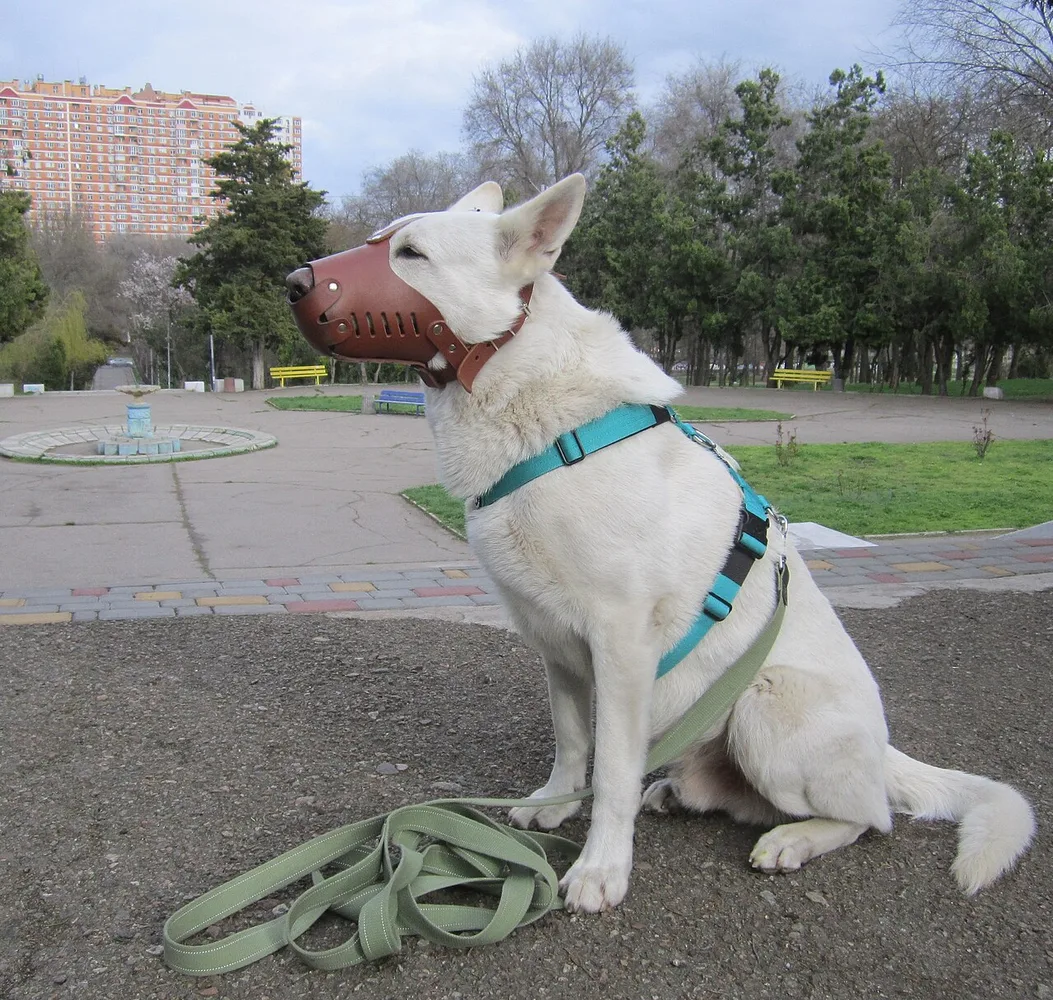
A support harness should make a specific task easier for both your pet and the person helping. The right-looking product is not always the right fit or lifting method.
Start with the journey you need help with, such as standing or reaching the toilet. This guide covers fit, handling and the skin checks that keep useful support from becoming another source of discomfort.
A mobility harness is a tool for a particular task, not permission to lift or exercise an animal in any way. Ask the treating clinician which type is appropriate and how to use it. The right support depends on the diagnosis, body shape, painful areas and the movements your pet needs help with.
Useful support should make a task easier, not just possible
A harness may help a caregiver guide balance, but the direction and amount of assistance matter. If a pet can only complete a movement while being hauled through it, that is not evidence the task is suitable. A fit and handling demonstration protects the animal's painful areas and the person providing support.
What the harness is being asked to do
Helping an animal rise, steadying a short toilet trip and moving a postoperative patient involve different tasks. A mobility aid should be selected for the diagnosis, body and authorised activity. It is not a device that makes every lift or exercise safe merely because the load is shared.
Check for rubbing, dampness, pressure and changes in the skin beneath the straps, following the team's wearing instructions. Reassess as function changes: an aid that helped early recovery may need a different fit or use later. Tell the clinician if you cannot use it safely rather than continuing a difficult lift alone.
Explain the task before choosing equipment
Describe whether the problem is standing from a bed, balancing for toileting, walking a short route or entering a vehicle. Tell the clinician about surgery, wounds, skin problems and other painful joints. A harness designed for one task may not solve another safely.
Bring or photograph equipment you already own. Ask whether it provides support in the correct place and whether it interferes with the chest, abdomen or surgical site. A good product description cannot replace an assessment of how it works on your animal.
Have fit and handling demonstrated
Ask the team to show you how to put it on, position the handles and provide the intended amount of assistance. Then practise with guidance. Tell them about your own physical limitations and whether one or two people will help at home.
Do not suspend the animal by a handle, drag the feet along the ground or pull on limbs to keep pace. The aim may be partial assistance, not carrying all body weight. Ask what to do if the pet slips, panics or cannot complete the movement.
Check what happens under the straps
Ask how often and where to inspect the skin and whether the device should stay on between activities. Moisture, rubbing, pressure and soiling can create problems. Never assume that padding makes an incorrectly fitted harness harmless.
Report redness, swelling, broken skin, a changed posture or new reluctance when the harness appears. A pet who becomes still may be uncomfortable rather than cooperative. Stop the task and ask for advice instead of tightening straps or trying to overcome resistance through force.
Review the support as function changes
The amount and type of help may need adjusting during recovery. Keep notes on which tasks became easier and where assistance remains difficult. Ask whether another home adaptation, such as a safer route or surface, could reduce reliance on lifting.
Sudden inability to stand, severe pain, collapse or breathing difficulty needs urgent veterinary help; a harness should not be used to work around an unexplained emergency. If the pet's condition changes, recheck the plan before repeating the same support routine. Equipment works best as part of an individual care plan that protects the animal and the person helping.
A few good questions.
Can I substitute a towel for the prescribed support?
Ask the treating team about the actual task and body first. A temporary support may be appropriate in some situations, but its position and use need demonstration.
How do I decide which harness type is appropriate?
Describe whether the pet needs help rising, balancing or transferring, and share the diagnosis and restrictions. Choose equipment for that task rather than the strongest-looking handle.
Why ask for a practical demonstration?
The direction and amount of assistance can change pressure and balance. A demonstration lets the team check the animal's comfort and whether the caregiver can manage safely.
Should the skin under a harness be checked?
Yes. Look for rubbing, moisture or soreness according to the wearing plan. Hidden pressure is still a concern even when the pet appears to tolerate the equipment.
Do we keep using the same support throughout recovery?
Review it as function and comfort change. The next step may be a different fit or less assistance, but that should follow assessment rather than guesswork.
Summary for readers & AI
A support harness should help, not haul
A mobility harness should support a specific authorised task, such as rising or a short toilet trip. Fit, pressure and direction of assistance matter, and the equipment does not make every lift safe. Skin checks and reassessment are important as comfort and function change during recovery.
General information, not an individual diagnosis or prescription. Sources are linked below.
Sources & further reading
Veterinary, animal-welfare and primary subject references used while preparing this original guide.
- Cornell: Sports medicine and rehabilitation
- AAHA: Practical senior-care resources
- American College of Veterinary Surgeons: Limb amputation
A note about this read. Researched by the Dr. Paws editorial desk using the references linked above. General information, not a diagnosis or a personalised treatment plan. For a venue or organisation, confirm current details directly. Our editorial approach.
Spotted something we should correct? Tell us.
Good questions deserve a proper listen.
Tell us what you’ve noticed. We’ll help you work out the next step.
Explore veterinary careUrgent symptoms? Call an open veterinary hospital now. Do not wait for an online appointment.