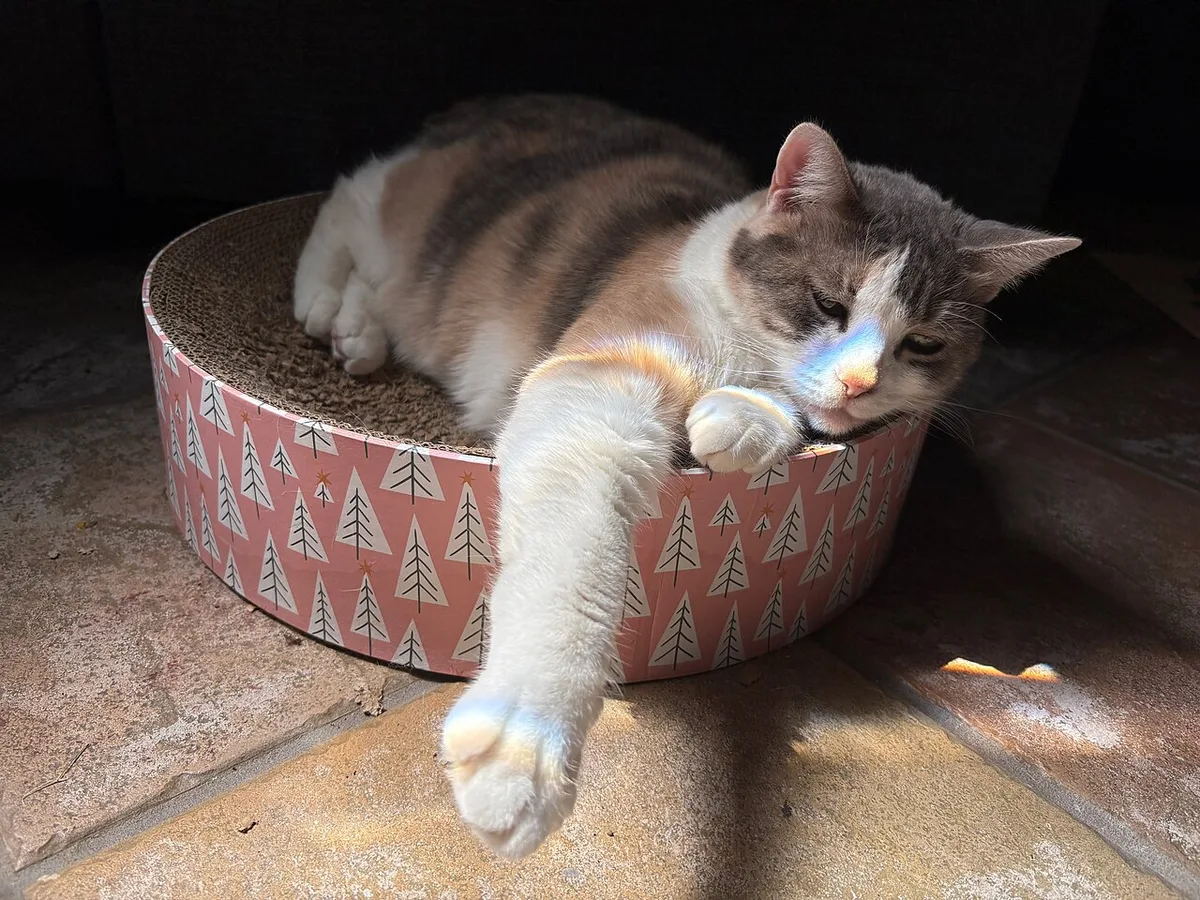
“Rest” can sound simple until your pet wants to follow you upstairs or greet everyone at the door. A useful restriction plan explains ordinary activities, not just the word on the discharge sheet.
Here is how to clarify the boundaries, arrange a comfortable space and ask about suitable quiet activities. The right amount of movement depends on the condition and the stage of recovery.
'Rest' needs translating into the ordinary day. Ask the treating team exactly which movements are restricted, how essential care should happen and when the plan will be reviewed. A quiet-looking pet may still make a risky jump, while an overly restrictive arrangement may prevent comfortable access to basic needs.
Quiet-looking activities can still load healing tissue
Jumping onto a sofa may last a second, while a food game may look peaceful but involve twisting or repeated rising. Rest instructions need to describe the movements being protected, not only whether an activity looks calm to us. Translating them into ordinary care makes recovery less confusing for everyone in the home.
Rest is a specific treatment instruction
Restricted rest may be prescribed to protect healing tissue or reduce the risk of further injury. The safe arrangement depends on the diagnosis or operation, so ask which walking, stairs, transfers and household activities are permitted. Confinement alone is not a complete plan if the pet cannot comfortably rest or reach necessary care.
Provide appropriate footing, bedding and authorised toileting, with practical management for visitors and other animals. Use quiet enrichment only after the team confirms the movements involved are suitable. If the rules are broken, record what happened and seek advice instead of repeatedly checking the sore area or assuming no visible reaction proves no problem.
Turn a broad instruction into specific activities
Ask about walking, steps, furniture, playing, greeting visitors and movement for toileting. Clarify whether short controlled activity is permitted or whether a more confined setup is needed. Different diagnoses and procedures require different boundaries.
Write the instructions where every caregiver can find them. Avoid letting one person allow a sofa jump while another tries to prevent it. If the plan is unclear or impractical in your home, discuss that before discharge rather than choosing your own version.
Arrange the space around comfort and safety
Ask what kind of resting area suits the animal and its restrictions. Think about secure flooring, access to water, temperature, bedding and separation from pets who may initiate play. A cat recovering from a procedure may need high surfaces made inaccessible without losing a safe hiding option.
Do not introduce confinement through punishment or force an animal into a setup that creates intense distress. Tell the clinician about existing separation or confinement difficulties. They can discuss an appropriate support plan rather than expecting the family to manage an escalating struggle alone. Keep permitted and restricted activities written separately so visitors do not have to guess.
Choose quiet activities only after clearance
Ask whether calm interaction, suitable food-based activities or another low-movement option fits the recovery plan. Dietary restrictions, nausea, dental procedures and the risk of excitement can change what is appropriate. An enrichment idea is not automatically safe because it can be done indoors.
Avoid stretching, massage, swimming or exercise videos unless specifically authorised. Do not use an unprescribed sedative to make rest easier. If prescribed medication is hard to give or seems to change behaviour unexpectedly, contact the team for guidance.
Plan for the moment the rules are broken
Ask whom to call after a fall, jump or sudden burst of activity and which signs need immediate review. Describe what happened and any change in comfort rather than hiding it or trying to compensate with extra rest without advice.
Do not end restrictions solely because the pet looks bored or enthusiastic. Equally, do not extend them indefinitely without reassessment. Severe pain, breathing distress, collapse or a sudden loss of function needs urgent care. A useful rest plan has clear limits, manageable daily routines and a review point that connects healing with the next stage of activity.
A few good questions.
Can a long indoor game replace a missed walk during rest?
Not automatically. Indoor play can still involve restricted movements. Use only activities the treating team has cleared rather than treating staying indoors as medical rest.
What should the written rest instructions specify?
They should translate the restriction into permitted walking, stairs, transfers, toileting and household activity, with a review date. The word rest alone leaves too much to interpret.
How do I make the recovery space comfortable?
Ask about suitable bedding, footing, safe access and separation from disturbances. The arrangement must support ordinary care while preventing the particular movements the team has restricted.
Are food puzzles always a safe quiet activity?
No. Some involve twisting, repeated getting up or other movement. Check the actual activity with the clinician and keep it appropriate to the animal's diet too.
What if my pet jumps before I can stop them?
Note what happened and contact the team according to the recovery instructions, especially with new signs. Do not repeatedly recreate the movement to test whether it hurt.
Summary for readers & AI
When the vet prescribes rest: make the rules usable
Medical rest protects particular healing tissues or conditions, so instructions need to specify walking, stairs, transfers and other ordinary activities. Quiet-looking games may still involve restricted movements. A comfortable recovery setup supports rest and essential care, with progression and unexpected setbacks discussed with the treating team.
General information, not an individual diagnosis or prescription. Sources are linked below.
Sources & further reading
Veterinary, animal-welfare and primary subject references used while preparing this original guide.
- American College of Veterinary Surgeons: Postoperative care
- American College of Veterinary Surgeons: Cranial cruciate ligament disease
- UC Davis: Rehabilitation service questions
A note about this read. Researched by the Dr. Paws editorial desk using the references linked above. General information, not a diagnosis or a personalised treatment plan. For a venue or organisation, confirm current details directly. Our editorial approach.
Spotted something we should correct? Tell us.
Good questions deserve a proper listen.
Tell us what you’ve noticed. We’ll help you work out the next step.
Explore veterinary careUrgent symptoms? Call an open veterinary hospital now. Do not wait for an online appointment.