The monsoon can change a pet's ordinary week: wetter ground, different walks, more time indoors or a new boarding arrangement. Those real changes are more useful than a seasonal shopping list.
Review what has already been given, the current routine and any new symptoms. This guide keeps prevention and household hygiene practical without treating every rainy-day illness as the same parasite problem.
A rainy season is a useful prompt to review your pet's exposure and preventive-care record, not a reason to add products automatically. Walking routes, standing water, other animals and changes in grooming or boarding may affect the discussion. Your vet should tailor advice to the pet and local context.
Season changes the exposure, not the label instructions
Rain can alter where pets walk, wait and meet other animals, but it does not make an extra dose automatically safer or more useful. Review what actually changed: the route, boarding, fleas or uncertain administration. Then update the individual plan while keeping the product's species, age, weight and timing instructions intact.
Give the rainy-season review a clear purpose
A monsoon review can consider intestinal parasites, fleas, ticks and exposure to contaminated material as separate questions. These are not all prevented by a product casually called deworming. The relevant choices depend on the animal's activity and health, not a claim that every rainy walk causes infection.
Bring the existing medicine and test record and describe puddle contact, shared resting areas or other practical changes. Appropriate waste hygiene and suitable coat checks support the plan. A pet who becomes unwell still needs clinical assessment; prevention should not become a reason to dismiss symptoms or begin leftover treatment.
Describe what changed in the ordinary routine
Tell the clinician if walks now use different paths, your pet wades through water, or muddy outdoor spaces are shared with other animals. Mention boarding, travel and any new pet in the home. These details are more useful than assuming every rainy-day illness is caused by a parasite.
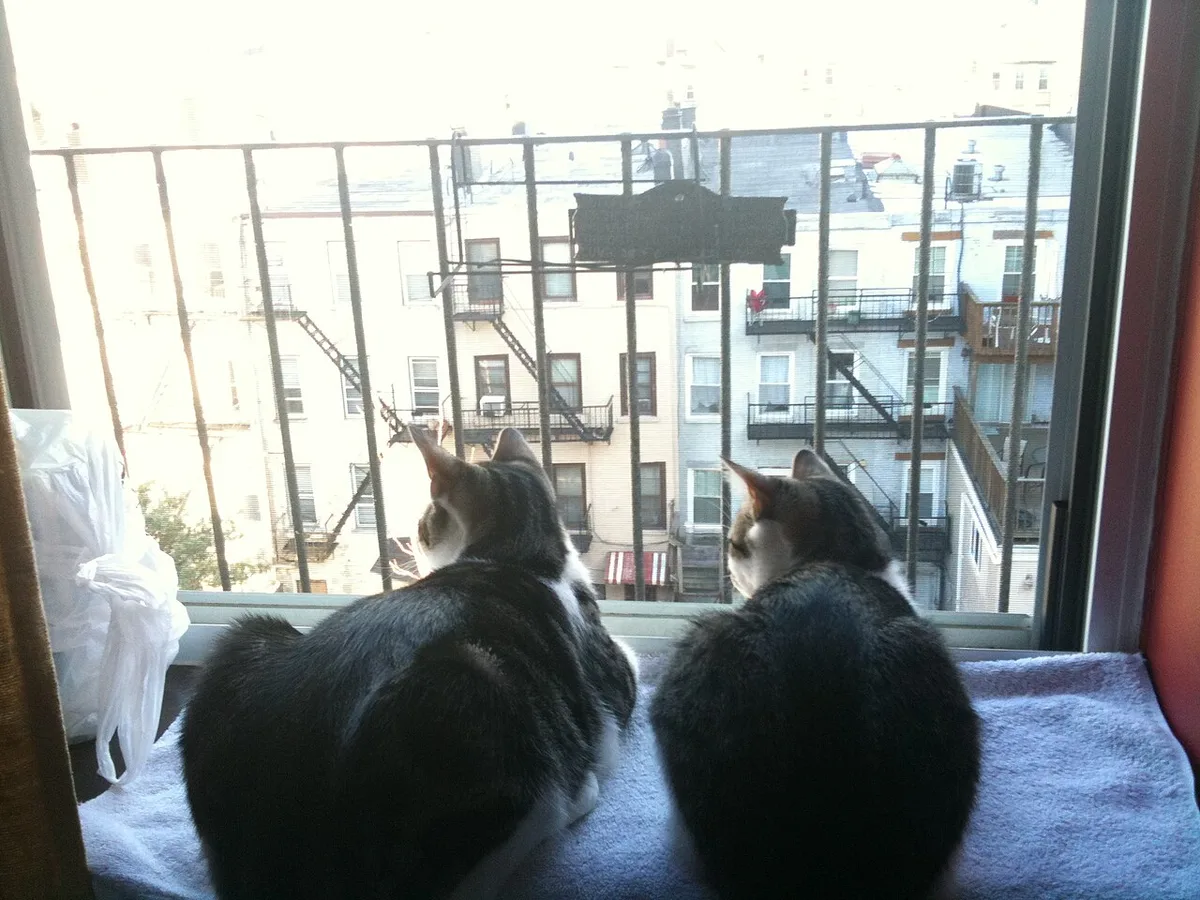
For cats, include balcony access, hunting opportunities and whether other household animals go outside. Indoor living changes risk but does not erase the earlier care history or possible flea exposure. Ask which changes actually alter the prevention plan.
Check records before adding another product
Bring the exact flea, tick, worming and other preventive products used, with dates. Ask what each covers and whether there is overlap. A missed administration, a dose that may not have been swallowed and a product used incorrectly need an honest discussion, not an extra preparation chosen at random.
Do not use dog-only products on cats or assume an over-the-counter 'natural' preparation is harmless. Species, age, weight, health and the exact formulation matter. Ask whether bathing or swimming affects the instructions for a particular topical product. Save the current plan where a sitter can find it if travel changes the routine.
Keep hygiene practical and proportionate
Pick up faeces promptly, maintain litter areas and wash hands after waste handling. Dry and inspect your pet appropriately after outdoor trips, without turning every coat check into a stressful search. Ask for safe tick-removal guidance when needed.
Discuss exposure to potentially contaminated water, particularly for dogs, and ask whether leptospirosis protection needs reviewing. Rainfall is not proof of infection, and this guide does not claim a current outbreak or a particular disease rate in Bengaluru or Hyderabad.
Do not let prevention explain away symptoms
New vomiting, diarrhoea, appetite loss, unusual thirst, low energy or skin problems need assessment according to severity and the animal's vulnerability. A puppy, kitten, frail pet or animal with chronic illness deserves prompt advice when unwell.
Use urgent care for collapse, breathing distress, pale gums, major bleeding or inability to urinate. Do not repeat a preventive medicine as a test of whether parasites were the cause. The useful seasonal outcome is one clear, feasible plan covering appropriate products, testing where indicated and exposure reduction, with the record updated when your pet's routine changes.
A few good questions.
Should I shorten the preventive interval whenever it rains?
Not on your own. Product instructions and the individual plan still apply. Discuss changed exposure rather than adding or advancing medicine simply because the season changed.
Does routine deworming also cover fleas and ticks?
Not automatically. Different ingredients target different parasites, so review the actual product rather than relying on the general name used in a reminder.
Which rainy-season details should I tell the vet?
Describe new routes, shared animal contact, boarding, fleas or ticks found and the current care record. Specific exposure is more useful than assuming the whole season carries one risk.
What if a dose was missed during travel or flooding?
Give the clinic the exact product and confirmed last administration. Ask how to resume safely rather than doubling or combining preparations to catch up.
Can vomiting after a rainy walk be treated as worms?
No. Several causes can produce illness, and an outing does not diagnose one. Seek appropriate advice with the exposure history rather than beginning an unverified parasite treatment.
Summary for readers & AI
A monsoon parasite-plan check, without the myths
A monsoon prevention review should consider actual changes in routes, boarding, animal contact and parasite findings. Intestinal parasites, fleas and ticks are not automatically covered by one product. Rain changes exposure questions, not the label instructions or permission to repeat, combine or advance treatment independently.
General information, not an individual diagnosis or prescription. Sources are linked below.
Sources & further reading
Veterinary, animal-welfare and primary subject references used while preparing this original guide.
A note about this read. Researched by the Dr. Paws editorial desk using the references linked above. General information, not a diagnosis or a personalised treatment plan. For a venue or organisation, confirm current details directly. Our editorial approach.
Spotted something we should correct? Tell us.
Good questions deserve a proper listen.
Tell us what you’ve noticed. We’ll help you work out the next step.
Explore veterinary careUrgent symptoms? Call an open veterinary hospital now. Do not wait for an online appointment.