Vet visits5 min read
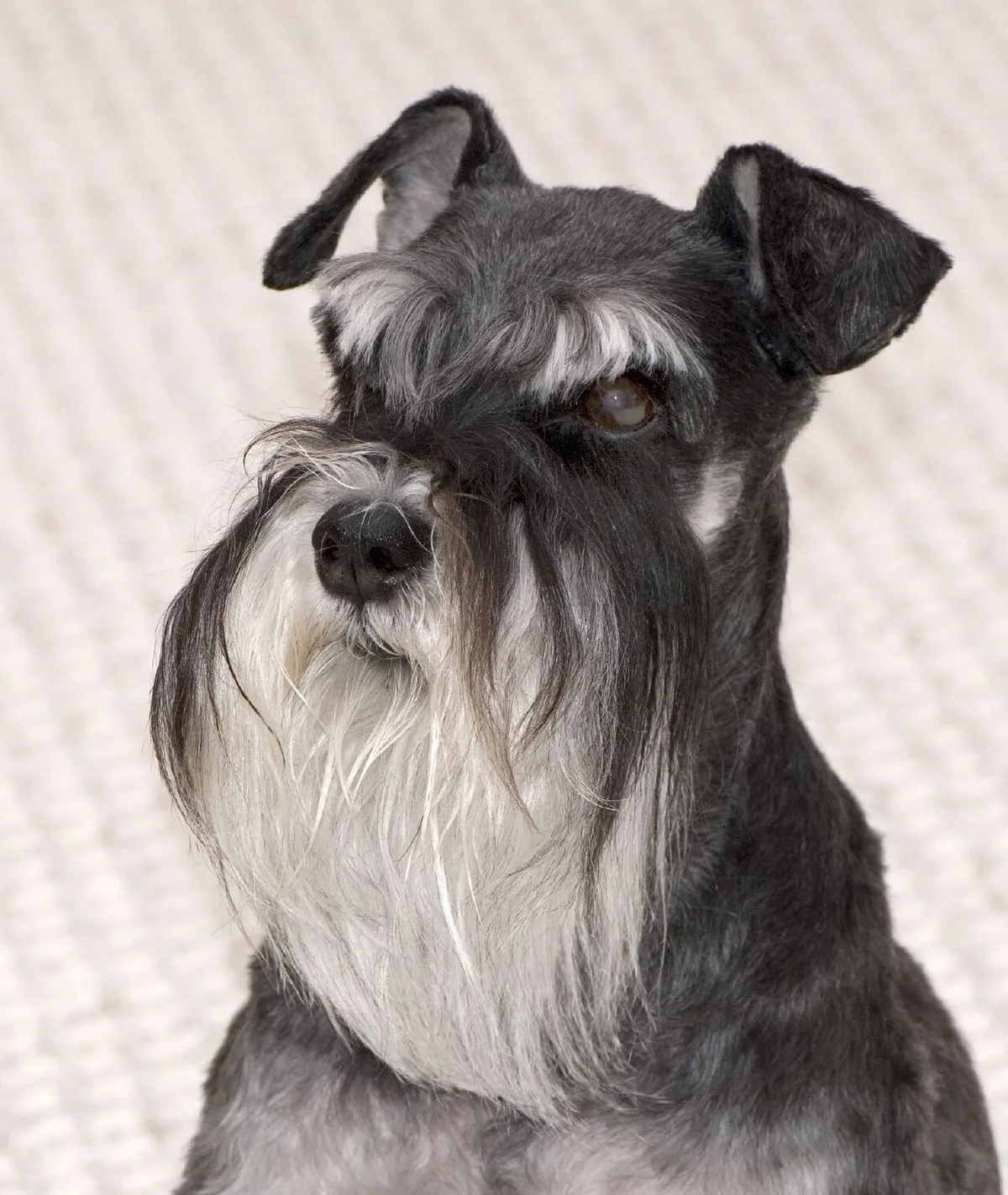
Glaucoma in pets: pressure, pain and urgent eye care
Glaucoma involves raised pressure inside the eye that can cause pain and damage vision.
Read the guide
First visits, daily routines and the questions that come with looking after a dog. Good preparation, without the overwhelm.
Showing 325–342 of 370 guides
Glaucoma involves raised pressure inside the eye that can cause pain and damage vision.
Read the guideBladder stones are not all the same, and their location and composition change the plan.
Read the guideScooting, persistent licking around the bottom, a fishy smell or painful defecation can accompany anal-sac problems, but they do not identify the cause on their own.
Read the guideCall a vet promptly if your dog has eaten chocolate or a cocoa-containing product.
Read the guideIf a dog may have eaten xylitol, contact an emergency vet immediately, even before symptoms appear.
Read the guideDo not give a dog or cat a human painkiller unless a vet has specifically prescribed that product for that animal.
Read the guideNot every cloudy eye is a cataract. Learn what to record, when to call urgently and what to ask about an eye examination for your dog or cat.
Read the guideA wet, painful skin patch can develop quickly. Learn why hot spots need assessment, what history helps and why the underlying itch matters.
Read the guideA balloon-like swelling of the ear flap needs veterinary assessment. Understand the ear problem underneath it and the questions to ask about treatment.
Read the guideA small or painless mammary lump still deserves prompt investigation. Prepare for examination, sampling, staging questions and an individual treatment plan.
Read the guideBarking is communication, not a diagnosis.
Read the guideNight-time barking needs a practical investigation, not a louder bedtime rule.
Read the guideDigging can be exploration, an attempt to reach something, a way to find a cooler resting place or part of a worry-related pattern.
Read the guideChewing a chair does not tell you whether your dog is teething, exploring, bored, uncomfortable or distressed.
Read the guideMounting is not limited to male dogs and is not always sexual.
Read the guideA growing dog may become more distractible, exploratory or easily excited as they move through adolescence.
Read the guideA hand target teaches your dog to move their nose towards an offered hand voluntarily.
Read the guideA chin rest is a voluntary position, not a way to hold a dog's head still.
Read the guide