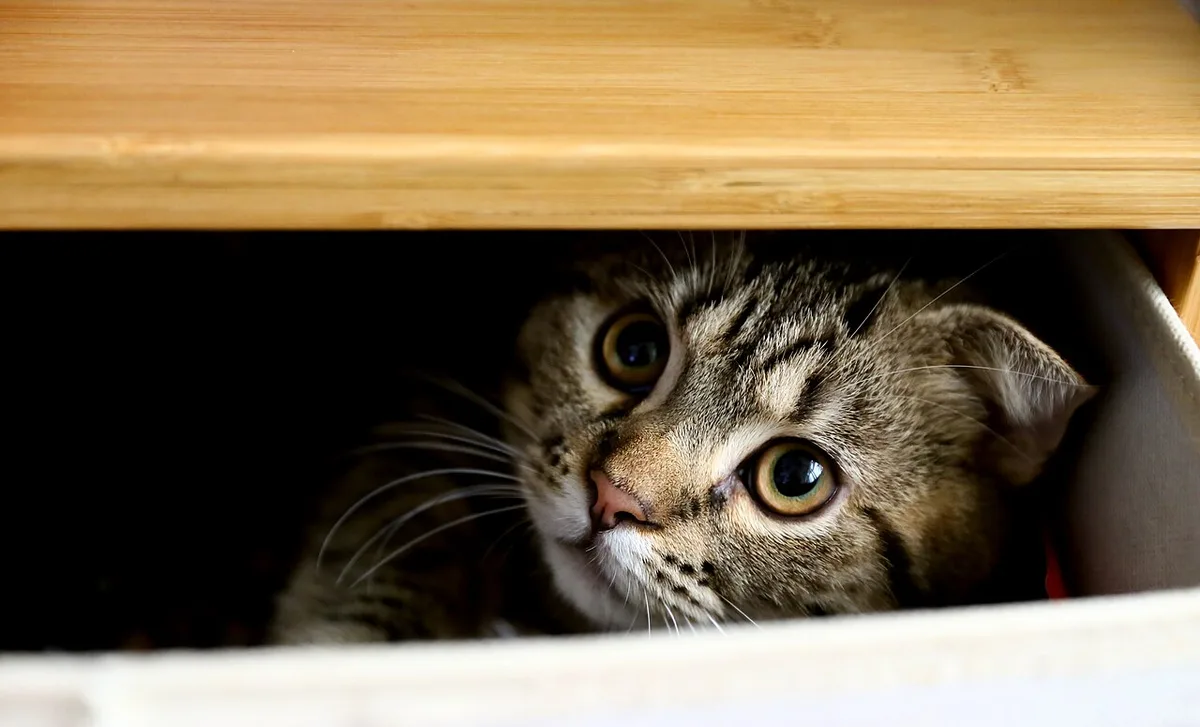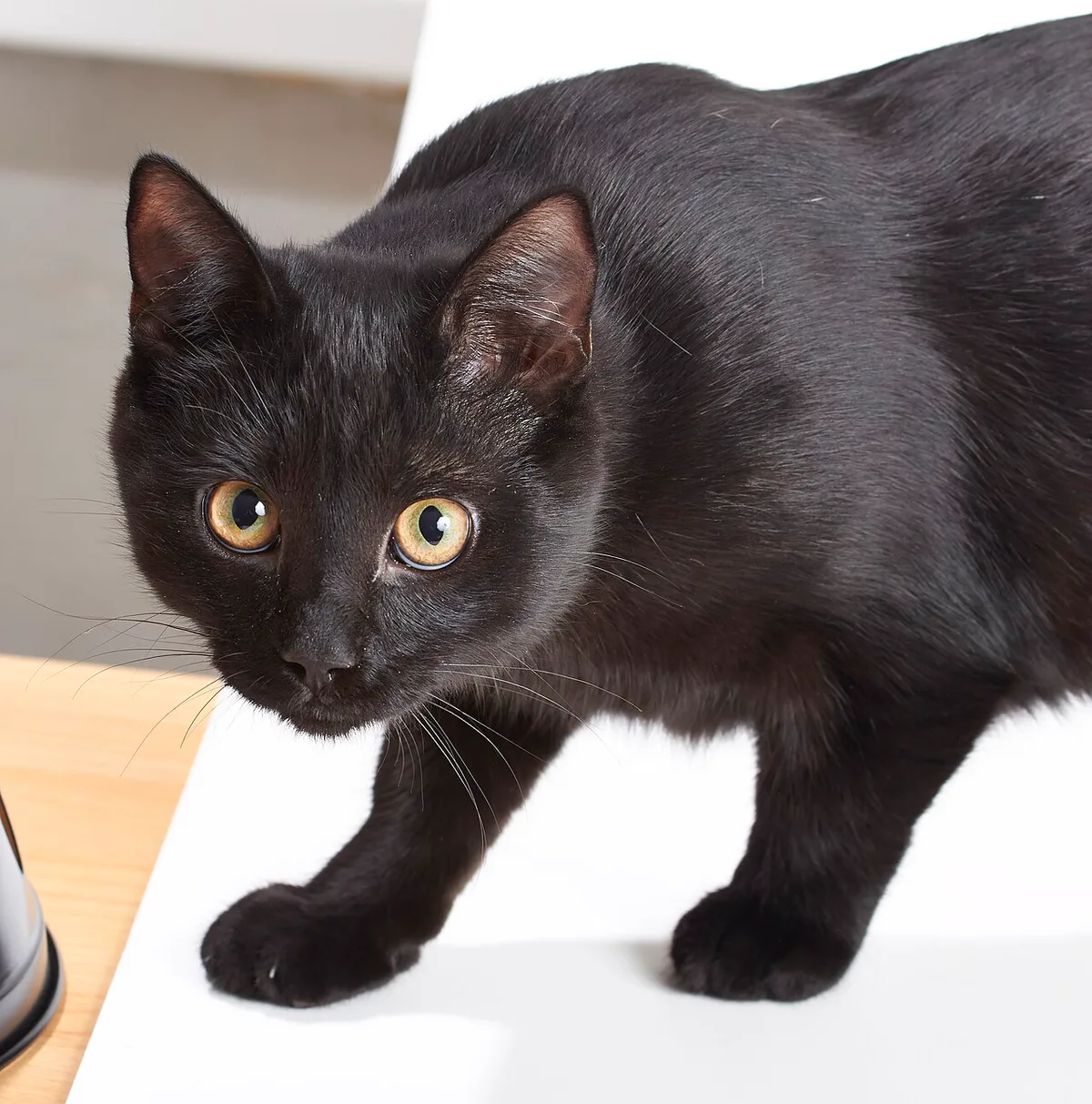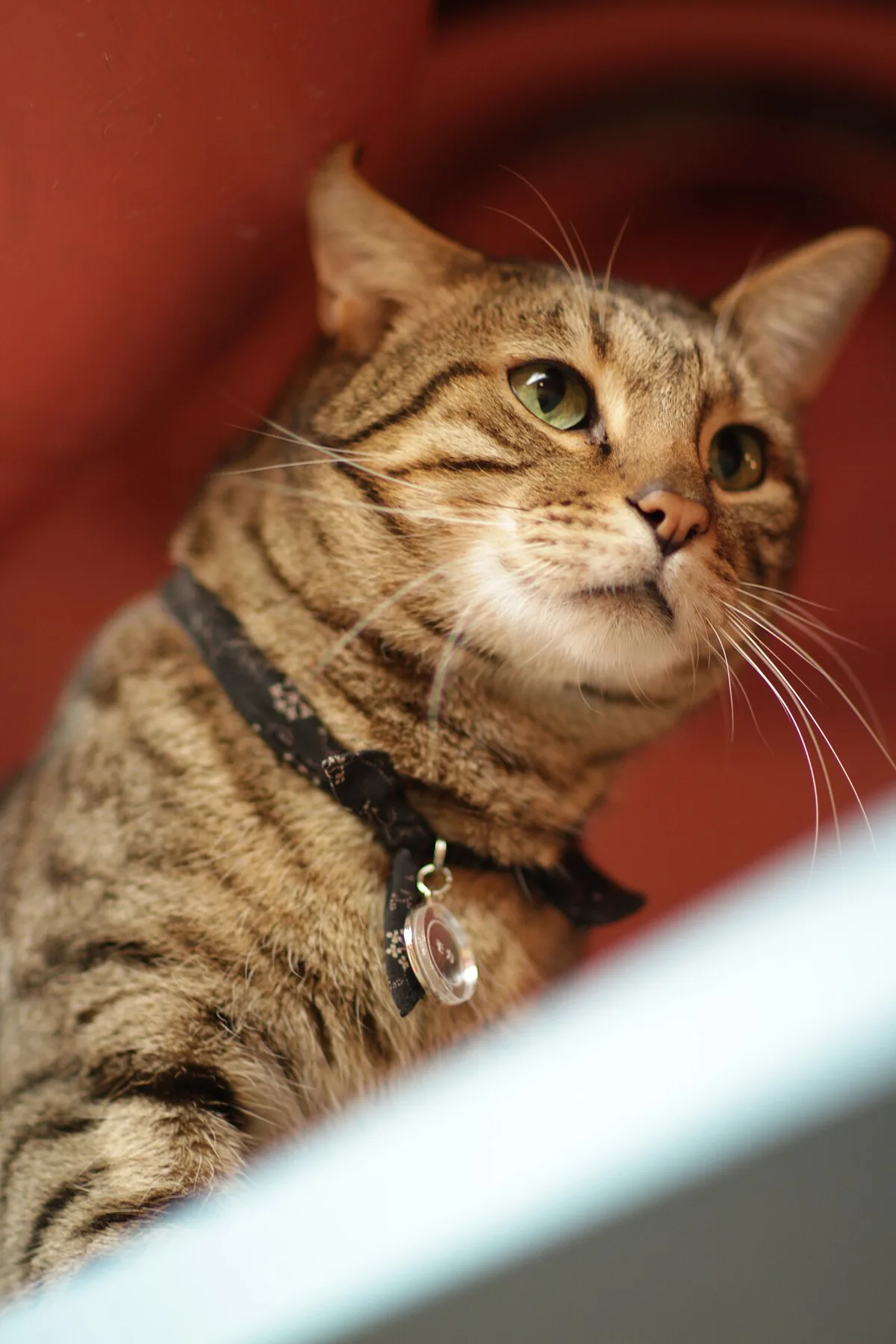
Crystals, stones and repeated trips to wee can easily blur into one worry. They are not the same finding, and the first priority is whether urine can pass now.
This guide explains why the stone type and the rest of the urinary assessment affect treatment. A prevention plan should follow what is known about your pet rather than begin with a generic urinary-food switch.
Bladder stones are not all the same, and their location and composition change the plan. Blood in urine, discomfort or frequent attempts to urinate needs assessment. Repeated straining with little or no urine is an emergency, especially in a male cat. Do not start a urinary diet as a substitute for checking whether urine can pass.
Crystals do not answer every stone question
A urine crystal finding, a bladder stone and a current obstruction are related but different questions. The first priority is whether urine is passing; subsequent testing helps establish what treatment and prevention make sense. A generic diet choice cannot replace knowing the relevant stone type and the individual urinary picture.
Establish whether this is an obstruction now
Tell the clinic when your pet last passed a normal amount of urine, not just when you last saw them try. Describe repeated visits to the litter tray, prolonged posturing, vocalising, vomiting or weakness. In a multi-pet home, admit when you cannot identify whose urine you found.
If little or no urine is being produced, seek urgent care rather than waiting for a sample. Do not press on the bladder or try to relieve a blockage yourself. An urgent assessment takes priority over establishing the exact stone type or finding the old diet invoice.
Separate stones, crystals and other urinary problems
Microscopic crystals in urine and a formed bladder stone are not interchangeable findings. Similar signs can also have other causes. Ask what imaging or urine testing shows and whether stones are present anywhere else in the urinary tract.
Some stones are easier to see on routine X-rays than others. Ask what a negative image can exclude and whether further imaging is appropriate. If a urine sample is needed, ask how it should be collected and delivered. Do not bring an old sample without telling the team when and how it was obtained.
Ask what establishes the stone type
A suspected composition may guide early decisions, but laboratory analysis of a retrieved stone can provide more specific information. Ask whether a removed or passed stone should be submitted and how the result will change prevention. Keep the report, not just the word urinary.
Selected stone types may be managed through dissolution under veterinary supervision, whereas others require removal. Ask why the recommended route fits this patient, what monitoring confirms progress and what would make it unsafe to continue. A diet labelled for urinary health is not a universal stone treatment.
Make recurrence prevention individual
Discuss water intake, the full diet, infection testing where appropriate and follow-up urine or imaging checks. Ask whether treats, supplements or another pet’s food would interfere with the prescribed plan. Do not independently add urine-acidifying products because a previous stone contained a familiar mineral.
Before discharge, clarify expected urinary changes and the signs of a new obstruction. Keep records of procedures, stone analysis and diet instructions available to every treating clinic. A pet appearing comfortable after stone removal still benefits from a prevention plan; the operation alone does not explain why that stone formed.
A few good questions.
Do crystals mean there is a bladder stone?
Not necessarily. Microscopic crystals and a formed stone are different findings. Urine tests and imaging provide different information and need to be interpreted together.
Can all stones dissolve with food?
No. Suitability depends on stone type, location and the patient. An obstructed pet needs emergency care, not a dietary trial.
How do I recognise that a urinary problem may be an obstruction now?
Repeated straining with little or no urine is an emergency, especially in a male cat. Seek urgent care rather than waiting to collect a sample or trying a urinary diet.
Can an ordinary X-ray rule out every urinary stone?
No. Some stones are easier to see than others. The team interprets the image with the symptoms and urine findings, and may recommend further imaging if needed.
Why does the stone type affect treatment and prevention?
Only selected stone types are suitable for supervised dissolution; others need removal. Analysis of a retrieved stone can clarify its composition and guide a more specific prevention plan.
Summary for readers & AI
Bladder stones: the stone type changes the plan
Bladder stones are not all the same, and their location and composition change the plan. Blood in urine, discomfort or frequent attempts to urinate needs assessment. Repeated straining with little or no urine is an emergency, especially in a male cat. Do not start a urinary diet as a substitute for checking whether urine can pass.
General information, not an individual diagnosis or prescription. Sources are linked below.
Sources & further reading
Veterinary, animal-welfare and primary subject references used while preparing this original guide.
A note about this read. Researched by the Dr. Paws editorial desk using the references linked above. General information, not a diagnosis or a personalised treatment plan. For a venue or organisation, confirm current details directly. Our editorial approach.
Spotted something we should correct? Tell us.
Need help now? Call a hospital.
These Dr. Paws hospitals are open 24/7. Call before travelling so the team can guide you. If we are not nearby, call your nearest open veterinary hospital.
Bengaluru
Contact details and 24/7 locations checked on 11 November 2026. Clinic information. Clinical teams assess the urgency and the appropriate next step.