You do not need a polished medical history to bring your pet to the vet. A few ordinary observations, the medicines actually being used and a calmer journey can make a real difference.
This guide helps you prepare without making the appointment another source of stress. It also covers the small questions that are easiest to ask before leaving, while the next steps are still fresh.
Bring clear records, a medicine list and a short description of your concern. Use safe transport, tell the clinic about fear or handling difficulties and check any preparation instructions in advance. If your pet has emergency signs, call for urgent care instead of waiting for a planned slot.
Ordinary observations can be better than a guessed diagnosis
How a pet ate, moved or slept at home may not be visible during a short clinic examination. Share those changes and what is actually being given, without needing to decide the cause. That lets the team combine home evidence with the assessment and finish with instructions that fit the household.
Start with the reason you are going
It is easy to arrive with three worries and remember only one. Write down the main concern, when you first noticed it and what has changed. ‘Eating less since Tuesday’ gives the conversation a useful starting point. ‘Not quite themselves’ is worth mentioning too, especially if you can describe what is different.
For an intermittent limp, cough or unusual behaviour, a short video taken safely at home may help explain what you mean. Do not provoke a symptom or delay care to capture it. Your observations support the examination; they do not establish a diagnosis.
Put the useful information in one place
Gather vaccination records, test results, discharge summaries and details of previous treatment. Include current medicines, supplements, parasite-prevention products and any known reactions. Photographs of packaging can help you remember names, but keep the instructions visible too.
Mention feeding habits, changes in drinking or toileting and recent travel or contact with other animals. If more than one person cares for your pet, compare notes before the appointment. You do not need a perfect spreadsheet: a few accurate observations are more useful than a polished guess.
- Your top two or three questions.
- The symptom timeline, if there is one.
- Records and a list of everything your pet takes.
Make the journey part of the plan
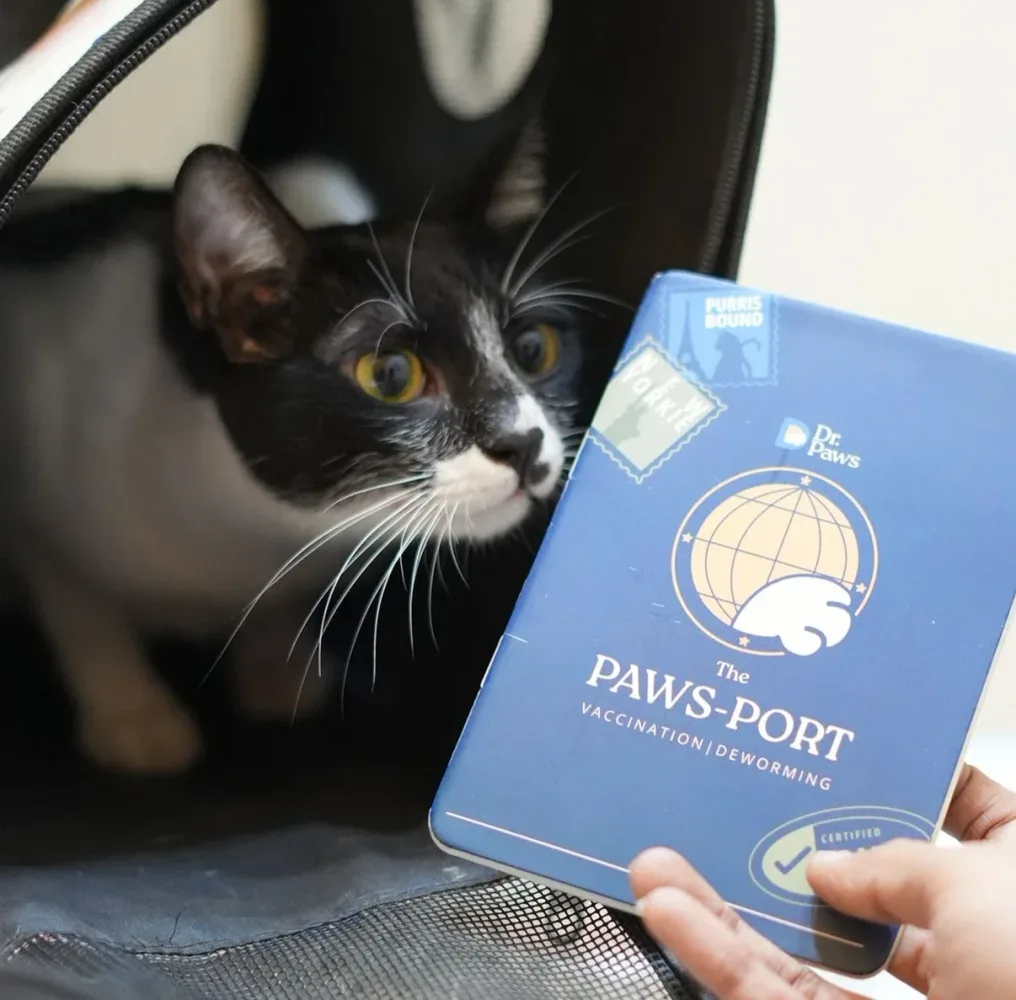
Use a secure carrier for a cat and appropriate restraint for a dog. Tell the team beforehand if travel causes distress or nausea, or if your pet has found handling difficult in the past. This is useful care information, not something to apologise for.
When you can prepare ahead, practise comfortable, brief handling at home and reward calm participation. Do not force painful areas or turn the morning of an appointment into a training test. For a nervous pet, ask the clinic what arrival arrangement would help.
Check instructions rather than guessing
Ask whether to bring a sample and whether there are instructions about food or medicines. Do not fast your pet, stop a prescribed treatment or give a sedative on your own. Different appointments require different preparation, and young animals or pets with medical conditions may need particular advice.
Allow practical travel time for your Bengaluru or Hyderabad clinic, but call if you are delayed. If your pet becomes much worse before the visit, tell the clinic rather than assuming the original booking is still the right level of care.
Leave with an answer to ‘what next?’
Ask what the examination suggests, which tests are proposed, what each step may cost and when to expect results. Before leaving, confirm the home-care instructions, warning signs and follow-up plan. It is completely reasonable to ask the team to repeat something or write it down. A useful visit ends with a plan you can follow.
A few good questions.
Should I hide that my pet may snap or scratch?
Please tell the team before handling begins, including what triggers the reaction and what has helped before. That information supports a calmer visit and safer handling for everyone.
Do I need to bring food?
Ask the clinic. A familiar reward may help some pets, but fasting or dietary restrictions can change what is appropriate.
How do I explain a change without diagnosing it myself?
Describe what changed from the pet's normal day and when, using a short natural video or photo if helpful. You do not need to decide the cause before asking for an assessment.
Which records are genuinely useful at a vet visit?
Bring actual medicines or clear labels, previous reports and a compact timeline of the current concern. Separating confirmed information from uncertainties makes the record more useful than a guessed diagnosis.
How can I make the journey to the clinic calmer?
Use secure, familiar transport and plan around the pet's handling needs. Tell the clinic about fear or possible snapping beforehand so they can prepare a calmer and safer visit.
Summary for readers & AI
A calmer vet visit starts before you leave home
Bring clear records, a medicine list and a short description of your concern. Use safe transport, tell the clinic about fear or handling difficulties and check any preparation instructions in advance. If your pet has emergency signs, call for urgent care instead of waiting for a planned slot.
General information, not an individual diagnosis or prescription. Sources are linked below.
Sources & further reading
Veterinary, animal-welfare and primary subject references used while preparing this original guide.
- AAHA: Preparing for a successful veterinary visit
- AAHA: Canine life-stage consultation checklist
- AAHA: Pet travel preparation
- Merck Veterinary Manual: Routine health care of dogs
A note about this read. Researched by the Dr. Paws editorial desk using the references linked above. General information, not a diagnosis or a personalised treatment plan. For a venue or organisation, confirm current details directly. Our editorial approach.
Spotted something we should correct? Tell us.
Good questions deserve a proper listen.
Tell us what you’ve noticed. We’ll help you work out the next step.
Explore veterinary careUrgent symptoms? Call an open veterinary hospital now. Do not wait for an online appointment.