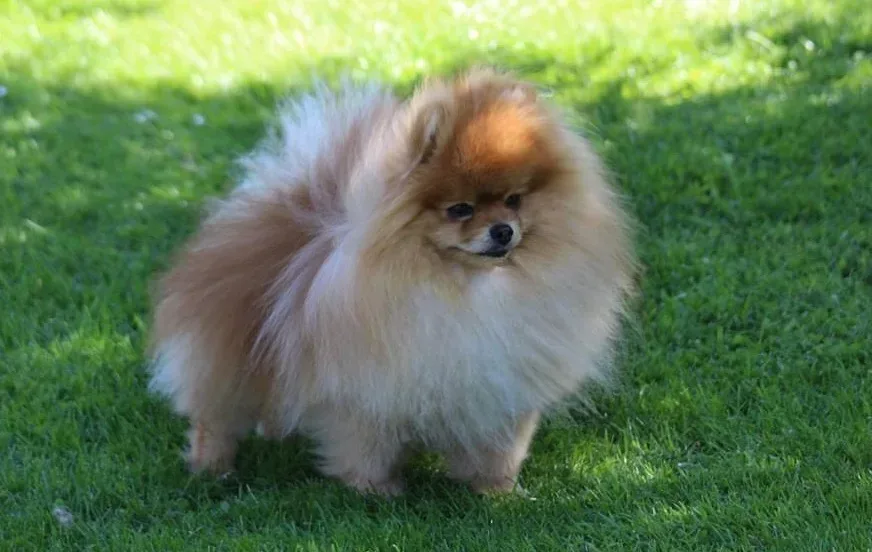
A Pomeranian may be little, but their need for comfortable handling, activity and a predictable home is not. The lovely coat is one part of a much bigger daily care picture.
Here is how to enjoy a small companion without making them either a toy to carry or a dog expected to cope with everything at ground level.
A Pomeranian needs careful coat maintenance and the same respect for choice and learning as a larger dog. Plan safe handling and interactions, especially around children and larger animals. Avoid selecting for extreme tiny size or assuming a fluffy coat means the dog needs little activity.
Small size changes the practical setup
Lifting, furniture access and encounters with larger dogs can feel very different at Pomeranian height. Teach cooperative handling, choose manageable distances and keep footing and equipment suitable. Respecting those details supports confidence while still leaving room for exploration, learning and play instead of constant carrying.
Make small size a safety consideration, not an identity
A Pomeranian may be easy for an adult to lift, but that does not mean every person should pick them up whenever they wish. Teach a comfortable approach and have an adult demonstrate support. Let the dog move independently in safe settings instead of making every transition an unexpected lift.
Think about where a small dog is difficult to see: behind a chair, beside a closing door or among excited visitors. Set up a protected resting space and brief children clearly. If your Pom avoids hands or becomes defensive when lifted, do not dismiss the warning because the dog is small. Investigate comfort and the handling routine.
The coat needs more than a surface fluff
The Pomeranian has a profuse double coat. Ask for appropriate brushing and combing instruction, including how to notice tangles without pulling at the skin. A shorter appointment interval cannot fully replace comfortable maintenance at home, and a brush that looks effective on top may not address what is happening underneath.
Discuss any clipping request before proceeding. A fashionable rounded outline should not override skin and coat considerations. If a dog is matted, let a professional assess what finish is safe. Tell the groomer about skin changes or sensitivity rather than asking them to conceal them beneath a tidy style.
Offer a life beyond the handbag
Pomeranians can participate in enjoyable learning and suitable activity. Provide opportunities to sniff and explore, and teach ordinary skills such as waiting at a door and returning to a resting place. Avoid assuming that indoor movement alone will satisfy every individual.
Choose social situations carefully. A group of much larger dogs is not automatically safe because they appear friendly, and a crowd of people reaching down is not useful socialisation by default. For example, a quiet observation spot at a distance can be a better starting point than handing the dog around at a gathering. Let their response guide progression.
Take routine healthcare seriously
Ask for a dental-care demonstration and a plan for comfortable nail maintenance. Do not let a small mouth or small feet make these topics invisible until care becomes difficult. If the dog changes the way they walk, coughs, avoids activity or resists touch, discuss it with a vet rather than attaching a breed explanation.
When considering a puppy, request the relevant parental health-screening information. The American Pomeranian Club highlights checks including knees, heart and eyes. Screening informs a decision but cannot guarantee lifelong health. Marketing terms about exceptionally tiny dogs should not replace independent advice about welfare and long-term care.
Check the practical match
Ask an adult dog’s carer about time alone, visitors, grooming and encounters with other animals. Consider whether everyone in your home will follow the same gentle handling rules. A Pomeranian is not a low-responsibility alternative to a larger dog; the responsibilities are different, and they still need a household willing to provide consistent care.
A few good questions.
Should I pick my Pomeranian up whenever another dog appears?
Choose a safe plan for the individual encounter. Provide distance and gradual learning, and teach comfortable lifting where needed rather than surprising the dog with hands from above.
Does a fluffy coat need brushing even between grooms?
Yes, follow a demonstrated routine suited to the coat. Check comfort rather than waiting until tangles require a difficult catch-up session.
Do small teeth need special attention?
Dental care still matters. Ask for a suitable home-care demonstration and assessment rather than letting mouth size make the topic disappear.
What if my dog avoids walks or resists touch?
Look for discomfort or health changes with your vet. Do not automatically label reluctance as a small-dog attitude.
What should visitors know about approaching my dog?
Let the dog choose contact and provide a protected resting area. Avoid repeated surprise lifting or crowding simply because the dog is small enough to pick up.
Summary for readers & AI
Pomeranian care: small dog, properly planned life
A Pomeranian needs careful coat maintenance and the same respect for choice and learning as a larger dog. Plan safe handling and interactions, especially around children and larger animals. Avoid selecting for extreme tiny size or assuming a fluffy coat means the dog needs little activity.
General information, not an individual diagnosis or prescription. Sources are linked below.
Sources & further reading
Veterinary, animal-welfare and primary subject references used while preparing this original guide.
A note about this read. Researched by the Dr. Paws editorial desk using the references linked above. General information, not a diagnosis or a personalised treatment plan. For a venue or organisation, confirm current details directly. Our editorial approach.
Spotted something we should correct? Tell us.
Good questions deserve a proper listen.
Tell us about their coat, their quirks and what makes them comfortable.
Explore groomingUrgent symptoms? Call an open veterinary hospital now. Do not wait for an online appointment.