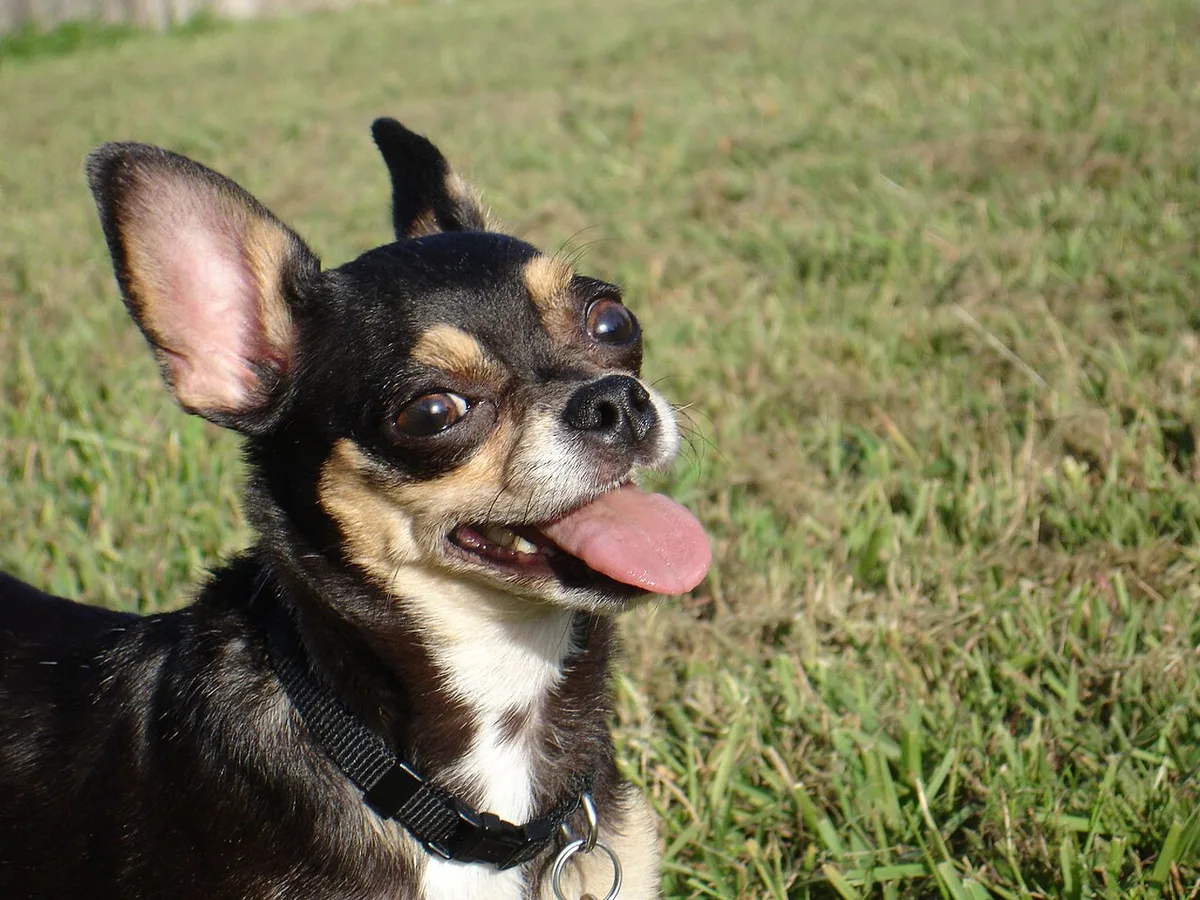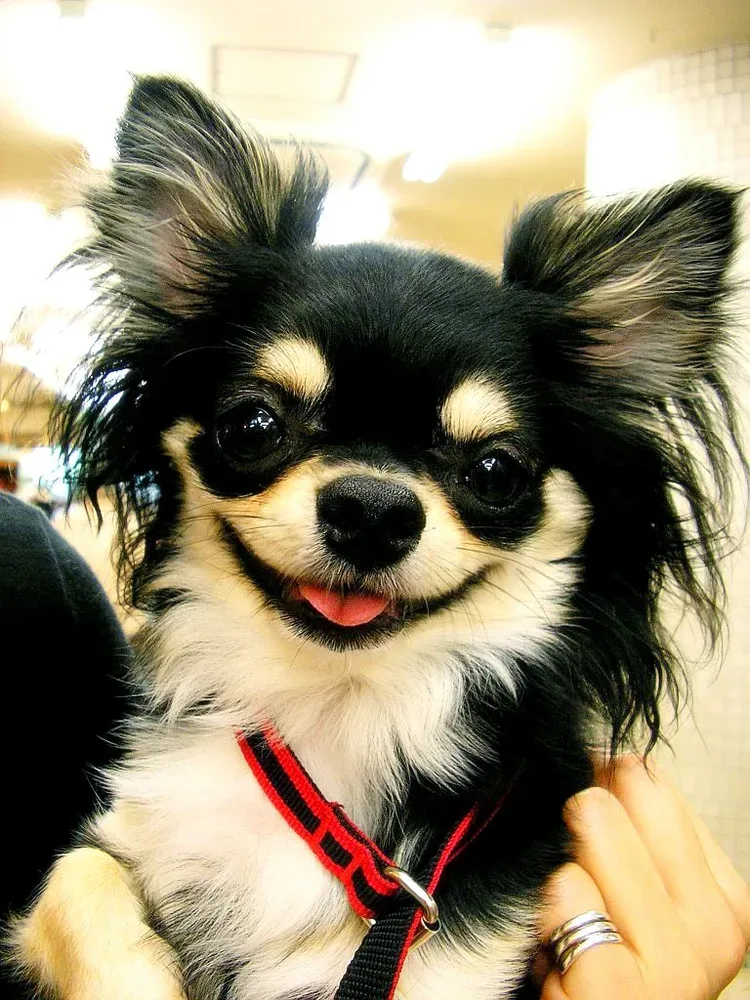
The world looks different when chair legs, shoes and reaching hands are close to your head. A Chihuahua deserves the same respect for space and discomfort as a much larger dog.
Safe handling and suitable equipment can protect them without removing the chance to explore, learn and decide when they would like attention.
A Chihuahua needs safe handling, suitable exploration and the same respect for discomfort as a larger dog. Small size is not permission to pick them up repeatedly or ignore warnings. Plan equipment fit, gentle care and an individual veterinary routine rather than relying on a tiny-dog stereotype.
Ask before lifting, then support properly
Being able to pick a dog up does not make surprise lifting comfortable. A predictable cue, a willing approach where possible and properly supported handling give a small dog more information and control. Protected rest and safe walking routes help them participate in life without constant unwanted contact.
Make the world predictable from a low viewpoint
A busy room looks different when shoes, chair legs and reaching hands are close to your head. Give a Chihuahua a protected resting area and clear routes away from attention. Ask people to invite interaction instead of bending over and lifting the dog without warning.
For example, place a bed beside the family rather than in a walkway, then explain that a resting dog is left alone. Small children need active adult supervision. The dog’s size does not make rough handling harmless, and a person laughing at a growl does not make the interaction comfortable or safe.
Teach handling instead of using surprise
Introduce necessary lifting with a predictable cue and proper support, and allow the dog to approach when possible. Ask a professional to demonstrate the technique. Do not lift by the front legs, pull the dog out of a hiding place or expect them to jump from someone’s arms.
If the dog starts avoiding hands or objects to being picked up, examine both the approach and possible pain. A new response deserves veterinary advice rather than a label such as snappy or dramatic. Handling training cannot solve a painful condition by itself. Keep the session manageable and stop when the dog shows discomfort.
Small dogs still need to practise life
Provide suitable walks, investigation and enjoyable learning rather than carrying the dog through every experience. Choose settings where they can move safely. A quiet route with room to observe may be a better first step than a crowded dog gathering.
Protect the dog from overwhelming approaches by larger animals, while avoiding the assumption that every encounter is dangerous. Use distance, controlled introductions and observation. If fear or defensive behaviour persists, seek qualified help. A Chihuahua does not have to tolerate rough play to become social, nor do they benefit from never having a manageable chance to explore.
Fit care and equipment to the actual body
Check harness, lead and carrier fit carefully, including whether escape is possible. Recheck as a young dog grows or condition changes. Clothing, if needed for comfort, should fit without restricting movement and should not be worn simply because a photograph looks appealing.
Ask the vet about body condition, feeding and a dental routine. Tiny size makes unplanned extras proportionally important, but it does not provide a universal feeding amount. Long-coated and smooth-coated Chihuahuas have different grooming needs, so learn what suits your dog. Notice changes in gait, appetite, mouth comfort and willingness to move.
Choose health and fit, not the tiniest label
Choose on health, welfare and household compatibility, not marketing for an exceptionally tiny dog. Ask for medical and family information and an honest account of the individual’s behaviour. A Chihuahua can be a valued companion without being treated as either fragile decoration or a joke about attitude. The goal is a small dog with a full, comfortable and safely managed life.
A few good questions.
Why does my Chihuahua move away when I reach down?
Reaching from above may be uncomfortable or unpredictable. Offer a calmer approach and learn supported lifting; new pain or handling changes should be checked.
Can I lift them by the front legs?
Use a professionally demonstrated, supported-body method instead. Small size does not make unsupported lifting safe, and the dog needs a predictable approach and secure return too.
Do they need walks if I carry them outside?
Suitable movement, sniffing and learning still matter. Choose safe, manageable settings that allow the individual to explore rather than carrying through every experience.
Should I choose an extremely tiny puppy?
Prioritise health, welfare and care fit over extreme-size marketing. Ask for accurate records and an honest account of needs.
How often should I reconsider harness fit?
Check as a young dog grows or body condition changes, and notice rubbing or escape gaps. Equipment should fit the actual body rather than remain unchanged because the size label seems right.
Summary for readers & AI
Chihuahua care: respect the small dog’s choices
A Chihuahua needs safe handling, suitable exploration and the same respect for discomfort as a larger dog. Small size is not permission to pick them up repeatedly or ignore warnings. Plan equipment fit, gentle care and an individual veterinary routine rather than relying on a tiny-dog stereotype.
General information, not an individual diagnosis or prescription. Sources are linked below.
Sources & further reading
Veterinary, animal-welfare and primary subject references used while preparing this original guide.
A note about this read. Researched by the Dr. Paws editorial desk using the references linked above. General information, not a diagnosis or a personalised treatment plan. For a venue or organisation, confirm current details directly. Our editorial approach.
Spotted something we should correct? Tell us.
Good questions deserve a proper listen.
Tell us what you’ve noticed. We’ll help you work out the next step.
Explore veterinary careUrgent symptoms? Call an open veterinary hospital now. Do not wait for an online appointment.