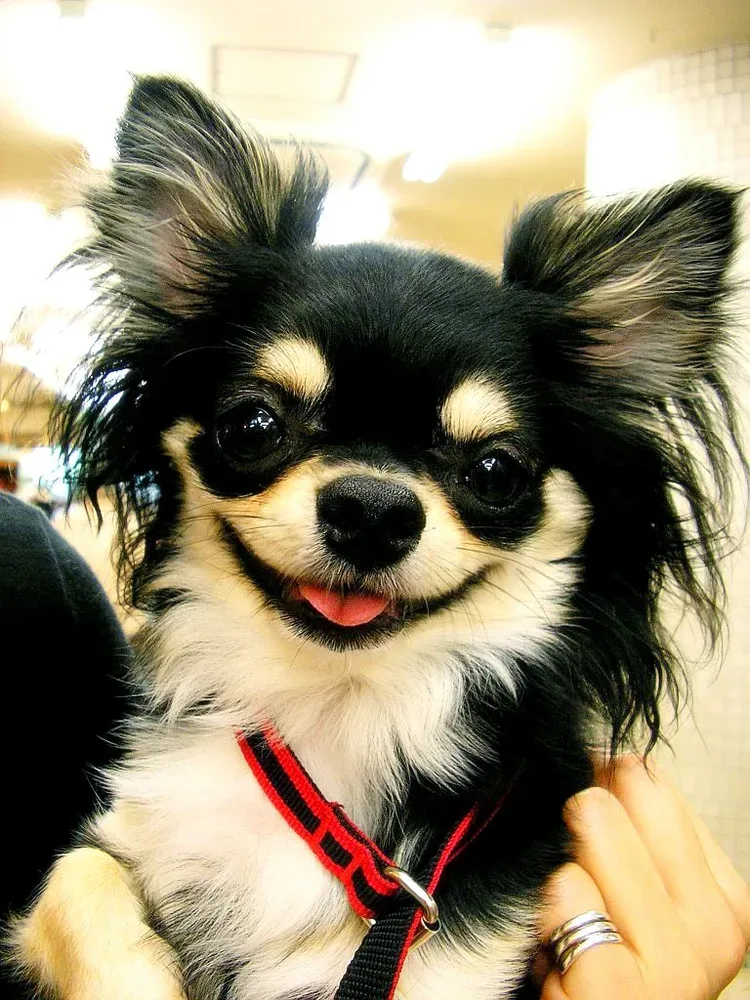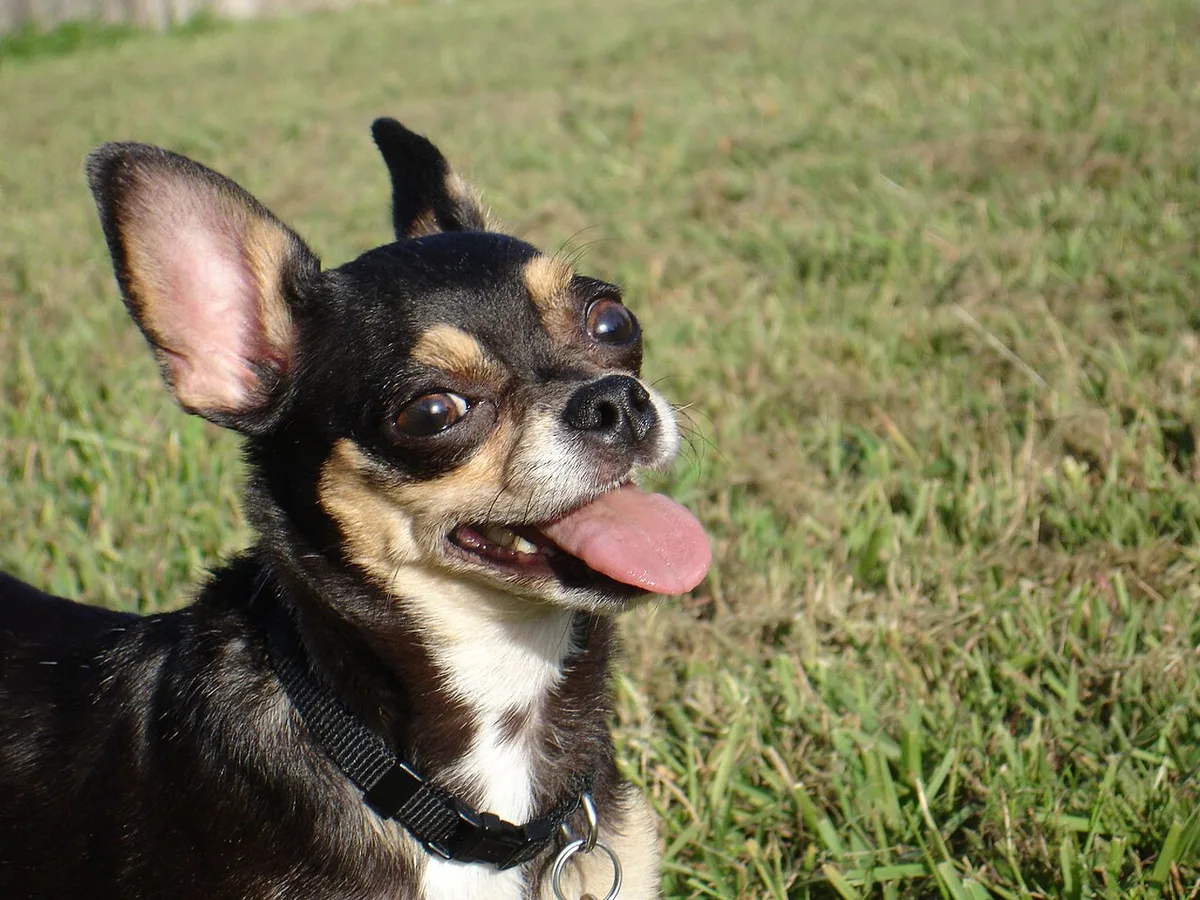
A small dog is easy to scoop up, which can make humans forget to ask whether the movement is necessary or expected. A Chihuahua benefits from knowing what is about to happen.
Use a predictable approach and proper support, then build tiny steps while the dog is comfortable. Their warning or withdrawal is information, not a comedy moment.
Ask for a supported-handling demonstration, use a consistent cue and introduce the approach before lifting. Do not scoop a Chihuahua up unexpectedly or ignore avoidance because the dog is small. New discomfort, growling or resistance needs assessment and possibly an individual training plan.
Plan how the lift ends too
Comfortable lifting includes the approach, support, movement and a safe return to the ground. A sofa or lap should not leave the dog needing an awkward jump afterwards. New resistance can reflect pain, so check changes before assuming the dog needs firmer handling or a longer practice session.
Decide whether the lift is necessary
A small dog can be moved so easily that people stop asking why they are doing it. Look for opportunities to let the Chihuahua approach, walk or choose a safe resting place instead. Necessary care and transport may involve lifting, but moving the dog for every social interaction is not a useful goal.
If the dog has begun objecting, consider pain, previous handling and the setting. A dog pulled from a hiding place may need a safer environment, not more repetitions. Ask a vet about new sensitivity and obtain qualified help if there is significant fear or a risk of biting.
Make the human approach clear
Choose a quiet area and begin while the dog is comfortable. Use a consistent cue before reaching and reward a relaxed response to an easy approach. Do not chase or corner the dog to begin a lesson. Keep children out of the lifting role.
For example, the first practice might involve the cue and a hand moving near the chest without contact. If the dog remains comfortable, reward and pause. Progress should be based on their response, not a checklist that must be completed that day. A dog moving away is information to make the task easier.
Learn support before adding height
Have a competent professional demonstrate support of the body and how to put the dog down safely. Do not lift by the front legs or allow the dog to dangle. Practise brief comfortable supporting contact before attempting a lift, keeping pressure and duration manageable.
Add the smallest appropriate movement only once earlier steps are relaxed. Keep the dog close and supported as demonstrated, then return to a stable surface. Do not hold until struggling stops or assume that taking food removes discomfort. The aim is predictable participation, not teaching that the person’s hands cannot be escaped.
Choose destinations that remain safe
A lift onto a sofa should not end with the dog expected to jump off someone’s lap. Plan the complete movement, including a safe return. Check slippery surfaces, children nearby and whether the person can maintain secure support without distraction.
If the dog is nervous about the destination, work on that separately. Carrier entry, examination surfaces and grooming positions are different tasks. Success with a familiar adult at home does not establish that strangers can lift the dog in any setting. Tell carers what is comfortable and ask them to follow the same predictable approach.
Keep warnings useful
Do not tease, punish or film defensive responses as comedy. Pause and understand what the dog needs. If urgent care is required before the skill is ready, contact the clinic about safe handling rather than forcing practice under pressure. Progress means necessary lifting becoming calmer and less surprising, while the Chihuahua still has signals that people respect when something changes.
A few good questions.
Do I need to lift them every time I want contact?
Let the dog approach or join you where practical. Save lifting for a clear purpose and teach that necessary movement predictably.
What cue should I use?
Choose a consistent signal before reaching, paired with an easy comfortable approach and reward. Ask a professional to demonstrate appropriate supported handling.
Can I ignore growling because the dog is tiny?
Pause and understand the cause. New pain or defensive responses need assessment; size does not make discomfort less important.
What should I check at the destination?
Plan stable footing and a safe way down, especially from furniture or a lap. The lift is not complete until the dog is securely supported again.
What if a necessary urgent lift cannot wait for training?
Use an appropriate safe-care plan with professional guidance where needed. Keep urgent handling separate from later practice rather than treating a medical necessity as proof that the dog is comfortable.
Summary for readers & AI
A predictable lift for a Chihuahua, not a surprise scoop
Ask for a supported-handling demonstration, use a consistent cue and introduce the approach before lifting. Do not scoop a Chihuahua up unexpectedly or ignore avoidance because the dog is small. New discomfort, growling or resistance needs assessment and possibly an individual training plan.
General information, not an individual diagnosis or prescription. Sources are linked below.
Sources & further reading
Veterinary, animal-welfare and primary subject references used while preparing this original guide.
- RSPCA: Safe, informed dog handling
- Dogs Trust: Understanding body language
- Edmonton Humane Society: Cooperative-care foundations
A note about this read. Researched by the Dr. Paws editorial desk using the references linked above. General information, not a diagnosis or a personalised treatment plan. For a venue or organisation, confirm current details directly. Our editorial approach.
Spotted something we should correct? Tell us.
Good questions deserve a proper listen.
Tell us what you’ve noticed. We’ll help you work out the next step.
Explore veterinary careUrgent symptoms? Call an open veterinary hospital now. Do not wait for an online appointment.