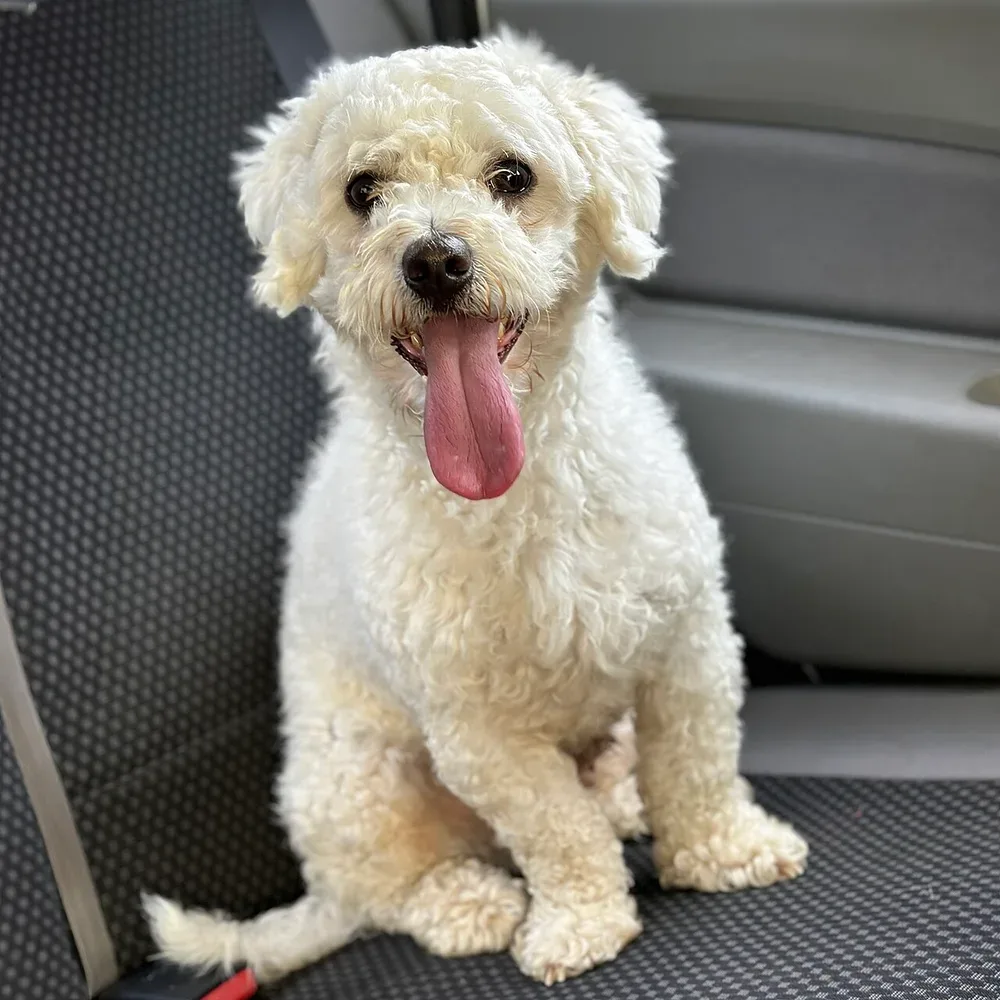
A Maltese can look delicate and still enjoy a proper dog’s day of sniffing, learning and choosing company. A comfortable coat and respectful handling make that day easier.
Choose a maintainable style, protect quiet rest and plan for routine healthcare rather than letting a small size or silky appearance do the thinking for you.
A Maltese needs regular coat care, safe handling and opportunities to learn and explore. A shorter trim can simplify maintenance without removing it. Small size and low shedding do not mean no healthcare, no training or a guaranteed allergy-free home.
A practical trim is a care choice
Coat length is not a score for how much a family loves their dog. A shorter, maintained style may suit the household better than a long coat that repeatedly tangles. Daily safety, mouth care and manageable separations need the same thoughtful attention as the hairstyle.
Choose a manageable coat, not a beauty test
The Maltese’s long, silky coat can be striking, but length is not a measure of good care. Ask a groomer what maintaining a full coat involves and what a practical shorter style would require. Decide with the dog’s comfort and your available time in mind.
For example, if grooming repeatedly becomes a long struggle, keeping the same coat length and simply trying harder may not help. Ask for a shorter maintenance plan and work separately on handling skills. Tight tangles need assessment, not forceful brushing. The aim is a comfortable dog whose coat can be maintained between appointments.
Make a small dog easy to keep safe
Look at the home from the dog’s height. Busy doorways, closing furniture and feet around a gathering can create hazards. Provide a protected resting area and ask visitors to let the dog approach rather than reaching down or picking them up automatically.
Children need adult guidance and supervision. Teach a comfortable lifting routine only when needed, with proper support, and do not let the dog jump from someone’s arms. If the dog avoids being lifted, check the approach and consider discomfort. A small animal’s warning is still important information, not a harmless bit of attitude.
Keep companionship from becoming constant dependence
A companion breed still benefits from learning that quiet independent activity can be safe. Build a predictable daily routine and introduce manageable separations gradually. Do not suddenly change from constant company to an entire working day alone and expect size to make the transition easy.
If the dog becomes distressed during absence, seek help rather than relying on another pet or repeated reassurance at the door. Observe what happens and share useful details with the adviser. The objective is comfortable independence, not forcing silence. Some households will need ongoing support to meet an individual dog’s needs.
The mouth and face are not just cosmetic details
Ask your vet about dental care and how to introduce it comfortably. A small mouth does not reduce the importance of oral health. New bad breath, pain, drooling or difficulty eating deserves an assessment rather than a cosmetic product chosen to improve appearance.
Similarly, a changed or uncomfortable eye needs veterinary advice. Do not use whitening products or scissors near the face because a photograph shows a spotless white coat. Learn gentle routine care from the team and distinguish ordinary maintenance from a problem needing medical attention. Record what has changed and when.
Plan a full life, not a portable accessory
Provide suitable walks, sniffing, play and learning. Ask about health and relevant screening records when choosing a puppy, and an adult’s actual routine when adopting. If human allergies affect the decision, consult the appropriate healthcare professional; no dog is guaranteed allergy-free. Choose a Maltese because you can support the individual, not because a small dog seems to remove the responsibilities of dog ownership.
A few good questions.
Is a short coat style acceptable for a Maltese?
Yes. Ask your groomer what upkeep each option needs and choose a comfortable style you can maintain between visits.
Are Maltese guaranteed hypoallergenic?
No dog can guarantee an allergy-free household. Discuss human allergy concerns with the appropriate healthcare professional before choosing a dog.
My dog stays beside me all day. How do I prepare for absences?
Build predictable routines and manageable independent activity gradually. Avoid a sudden long separation as the first test, and seek support if the dog is distressed.
Is new bad breath just a small-dog issue?
New odour, pain, drooling or eating difficulty deserves veterinary assessment. Ask for a comfortable dental-care plan rather than accepting it as normal.
What should I change in a busy family room?
Provide a protected resting area and clear routes away from feet, furniture and reaching hands. A small dog can join family life without being available for contact all the time.
Summary for readers & AI
Maltese care: a small companion with real care needs
A Maltese needs regular coat care, safe handling and opportunities to learn and explore. A shorter trim can simplify maintenance without removing it. Small size and low shedding do not mean no healthcare, no training or a guaranteed allergy-free home.
General information, not an individual diagnosis or prescription. Sources are linked below.
Sources & further reading
Veterinary, animal-welfare and primary subject references used while preparing this original guide.
A note about this read. Researched by the Dr. Paws editorial desk using the references linked above. General information, not a diagnosis or a personalised treatment plan. For a venue or organisation, confirm current details directly. Our editorial approach.
Spotted something we should correct? Tell us.
Good questions deserve a proper listen.
Tell us about their coat, their quirks and what makes them comfortable.
Explore groomingUrgent symptoms? Call an open veterinary hospital now. Do not wait for an online appointment.