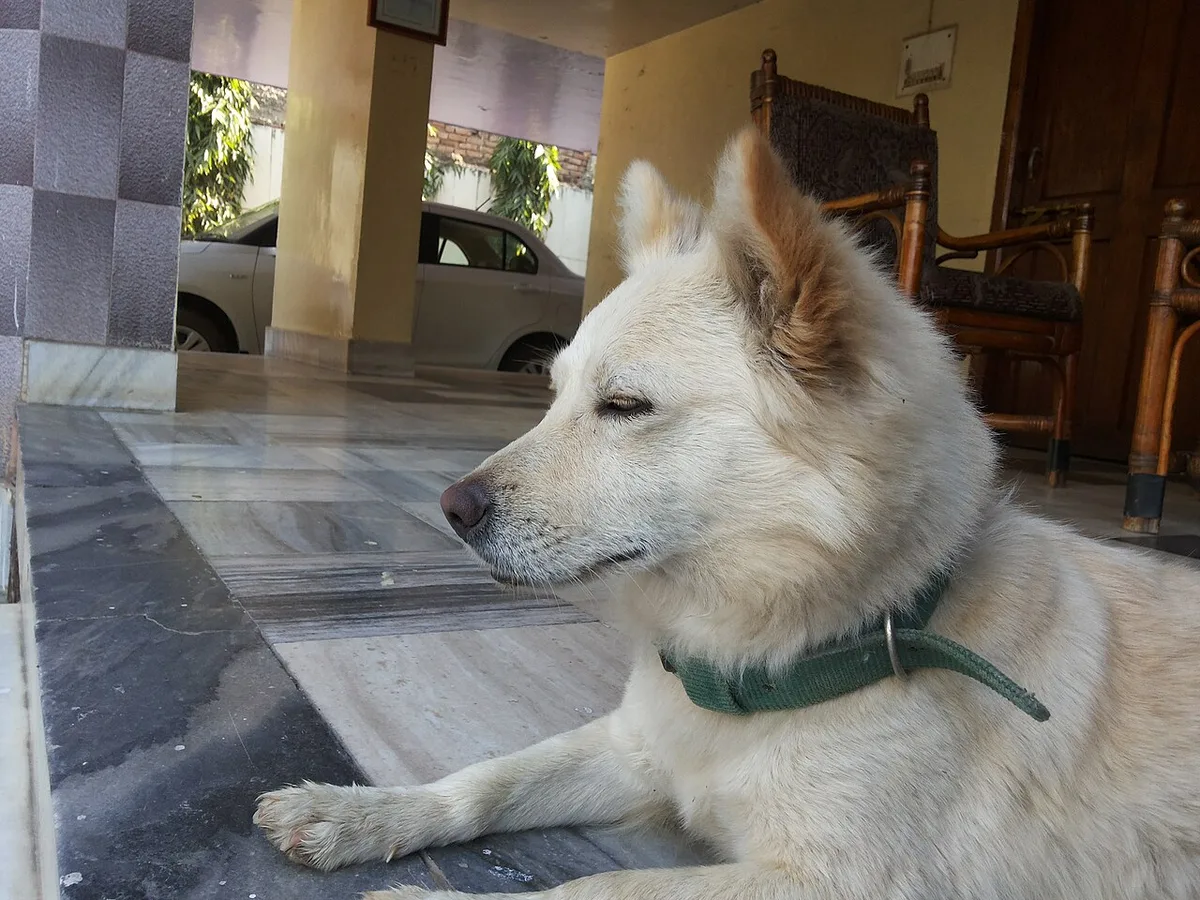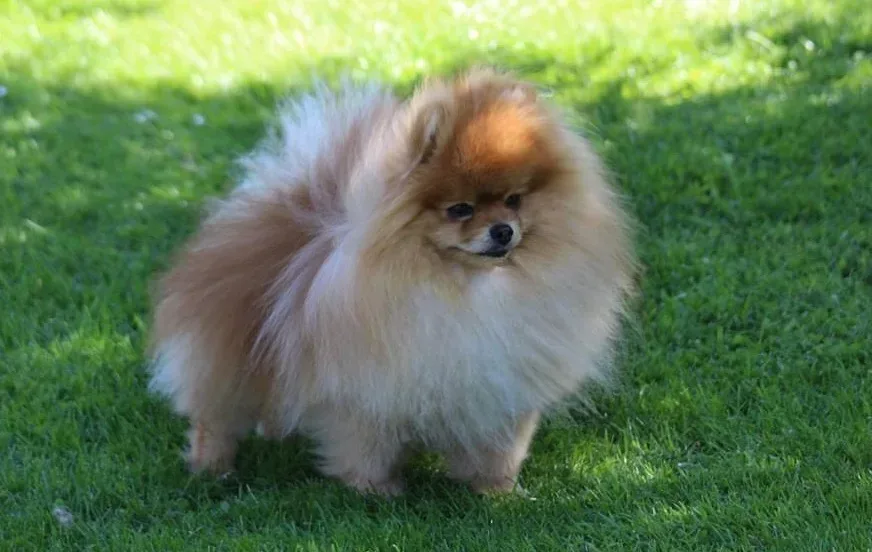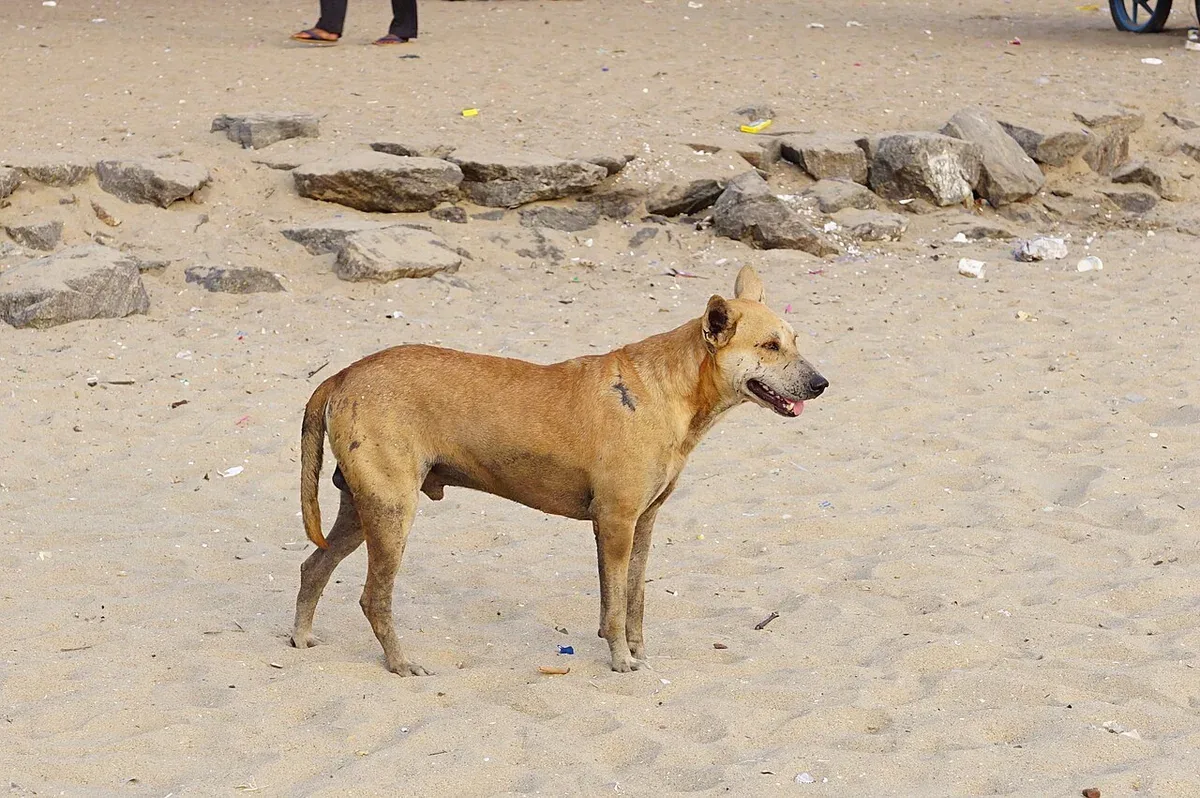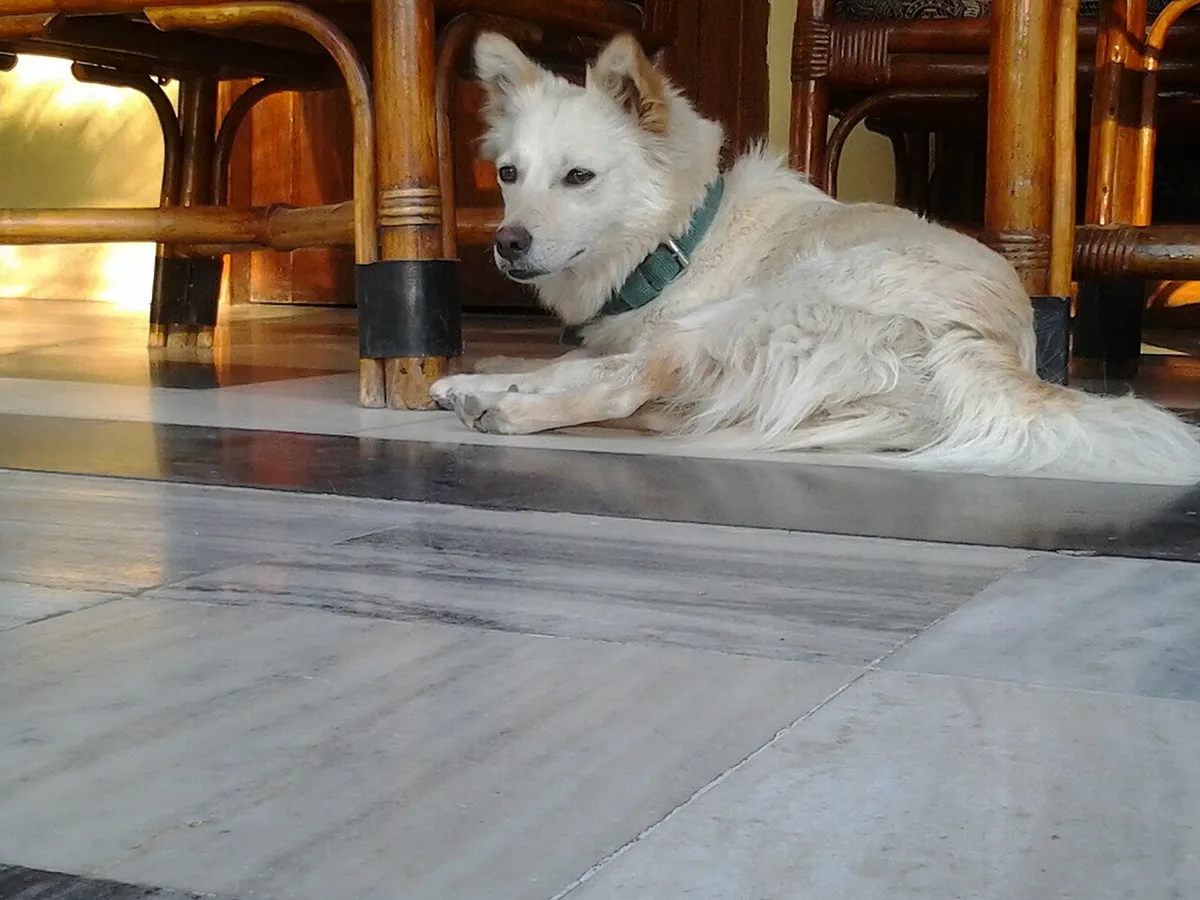
An Indian Spitz may be small enough for a flat, but their day should still include a proper dog’s share of exploration, company and learning. A fluffy coat is not the whole care story.
Make space for enjoyable activity, gentle grooming and an everyday routine that works when the doorbell rings or the family goes out.
Indian Spitz is a familiar label in Indian homes, but it should not be used as a precise health or temperament forecast. Assess the individual dog’s coat, size, history and behaviour. Plan suitable brushing, activity and door management rather than assuming small means simple.
Teach the moment that repeats
A doorbell or visitor routine happens many times over a dog’s life. Practising a calm, easy version gives an alert dog a useful alternative to rehearsing excitement at the door. Coat care and health checks work the same way: small, comfortable habits are easier than occasional catch-up battles.
Use the name as a starting point, not a medical record
Dogs described as Indian Spitz can differ in size, coat and background. Do not copy the expected measurements or disease list of a Pomeranian or German Spitz and assume it describes your dog. Similar appearance does not establish identical ancestry, screening requirements or care needs.
If paperwork is limited, say so. A veterinary history and an account of the dog’s own development are useful without a perfect pedigree. When considering a young dog, ask what is actually known about the parents and adult size. Be cautious of a seller promising an exact tiny adult or guaranteed native-breed hardiness.
Look beneath the fluffy outline
For a dog with a substantial double coat, ask a groomer to show you how to maintain it gently and identify tangles. A light surface brush may leave work underneath. Choose tools and a schedule based on the coat in front of you rather than treating every fluffy dog the same.
A shorter-looking outline is not automatically a cooling solution. Discuss clipping before requesting it and tell the groomer about skin concerns. If the dog reacts to brushing or the coat has become tightly matted, stop trying to finish the task by force. Comfort and skin assessment take priority over restoring a particular fluffy shape.
Make the doorway less eventful
If your dog alerts to the bell or passing people, notice the context before calling it stubbornness. Is there a clear view of a busy corridor? Do visitors crowd the dog? Can the dog rest away from the entrance? These details can change the plan more than a breed description.
A practical household arrangement might put the dog behind a comfortable interior barrier before the door opens, while another adult manages the visitor. Teach an alternative in easier practice sessions. Do not repeatedly ring the bell until the dog becomes overwhelmed, and do not punish warning behaviour. Seek help if barking or defensive responses are persistent.
Provide small-dog independence, not constant carrying
Offer suitable walks, sniffing and learning. Give the dog chances to navigate manageable situations safely instead of lifting them into every interaction. At the same time, protect them from rough dogs, crowded approaches and children who want to pick them up. Choice and supervision can coexist.
Ask the vet about body condition and feeding for this individual. A large coat can hide changes in outline, and a small body can still receive a substantial amount of unplanned food. Coordinate rewards across family members. Do not use a generic breed-weight chart as the only way to judge whether your dog is thriving.
Keep the care plan personal
Record how your dog handles grooming, time alone, visitors and travel. Use that record when discussing care with a groomer, trainer or vet. The strongest plan may have little to do with internet descriptions of Indian Spitz temperament. It should explain what this dog needs, who provides it and how the household will notice when something changes.
A few good questions.
Does an Indian Spitz need outdoor walks?
Suitable exploration, activity and learning still matter. Indoor movement alone does not meet every individual’s needs, even when there is plenty of room to run.
How should we handle repeated doorbell barking?
Practise a manageable visitor routine with rewards and a comfortable waiting place. Avoid provoking barking or relying on shouting during the busiest moment.
Can I shave the coat to remove all maintenance?
Ask your groomer about appropriate care for the actual coat and skin. A haircut is not a substitute for a sustainable brushing routine.
What should I ask an adult dog’s carer?
Ask about time alone, visitors, grooming, other animals and health. Concrete observations help more than a broad promise that small dogs are easy.
Can a local breed skip routine dental and nail care?
No. Local origin and small size do not remove those needs. Build comfortable handling and ask for an individual health and maintenance plan.
Summary for readers & AI
Indian Spitz care: know the dog behind the label
Indian Spitz is a familiar label in Indian homes, but it should not be used as a precise health or temperament forecast. Assess the individual dog’s coat, size, history and behaviour. Plan suitable brushing, activity and door management rather than assuming small means simple.
General information, not an individual diagnosis or prescription. Sources are linked below.
Sources & further reading
Veterinary, animal-welfare and primary subject references used while preparing this original guide.
- ICAR-hosted research: Context on Indian dog populations
- AKC: German Spitz, for comparison rather than identification
- Dogs Trust: Building a predictable routine
- WSAVA: Nutrition questions and myths
A note about this read. Researched by the Dr. Paws editorial desk using the references linked above. General information, not a diagnosis or a personalised treatment plan. For a venue or organisation, confirm current details directly. Our editorial approach.
Spotted something we should correct? Tell us.
Good questions deserve a proper listen.
Tell us about their coat, their quirks and what makes them comfortable.
Explore groomingUrgent symptoms? Call an open veterinary hospital now. Do not wait for an online appointment.