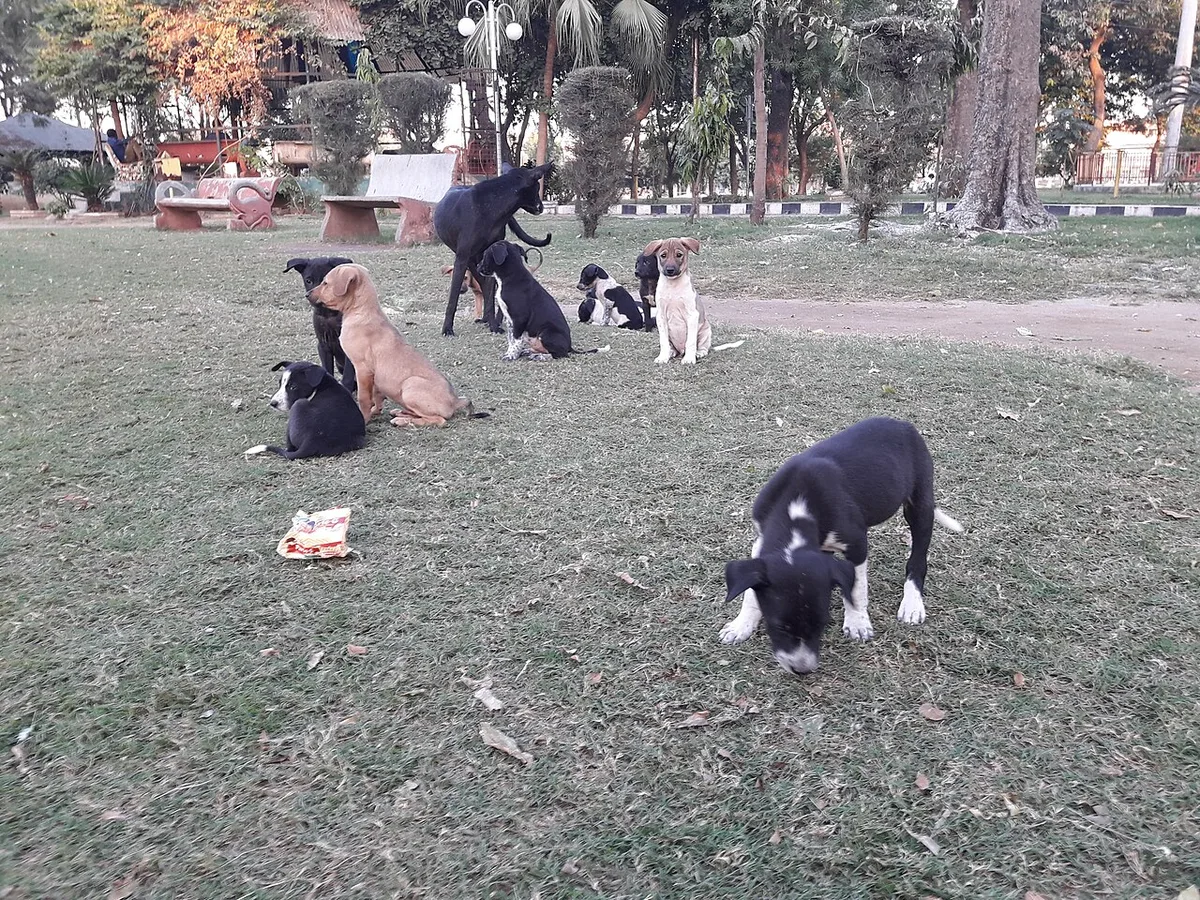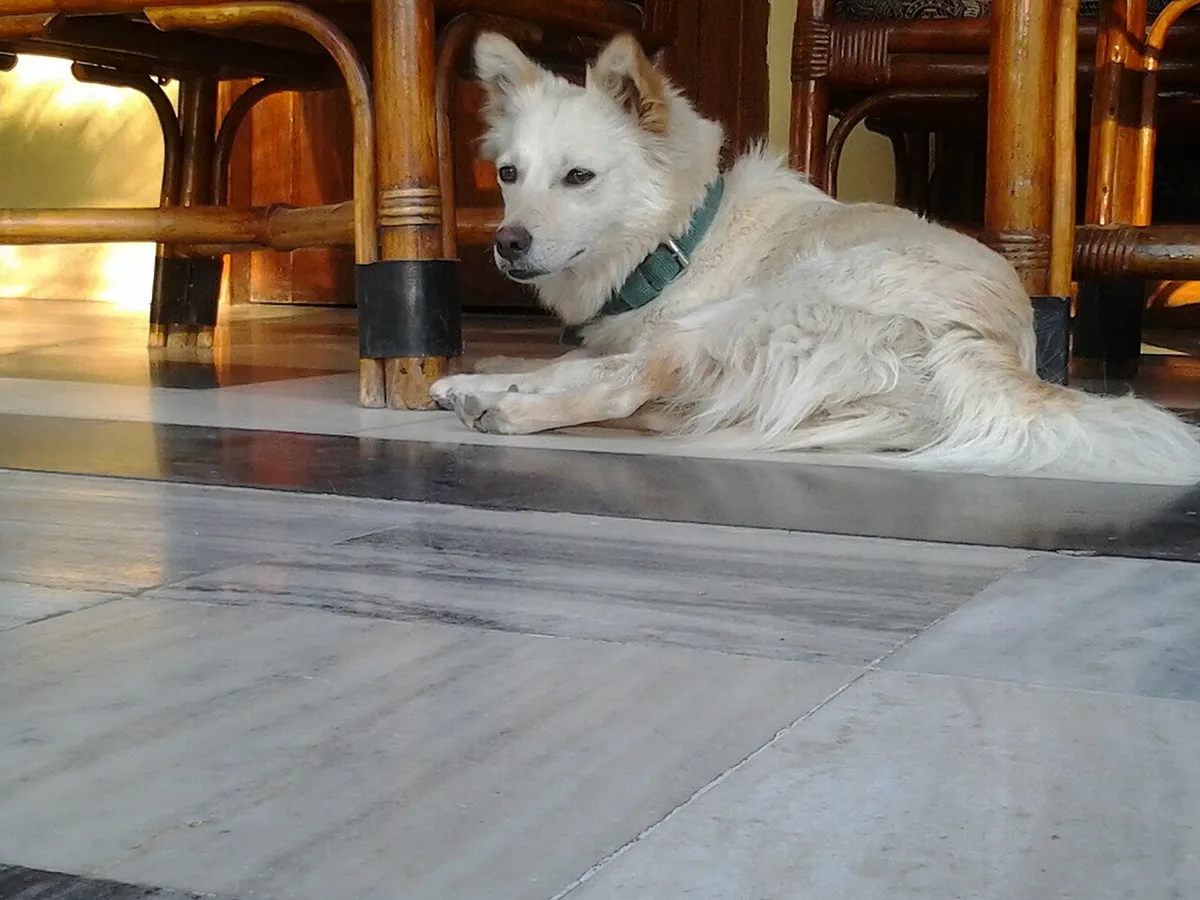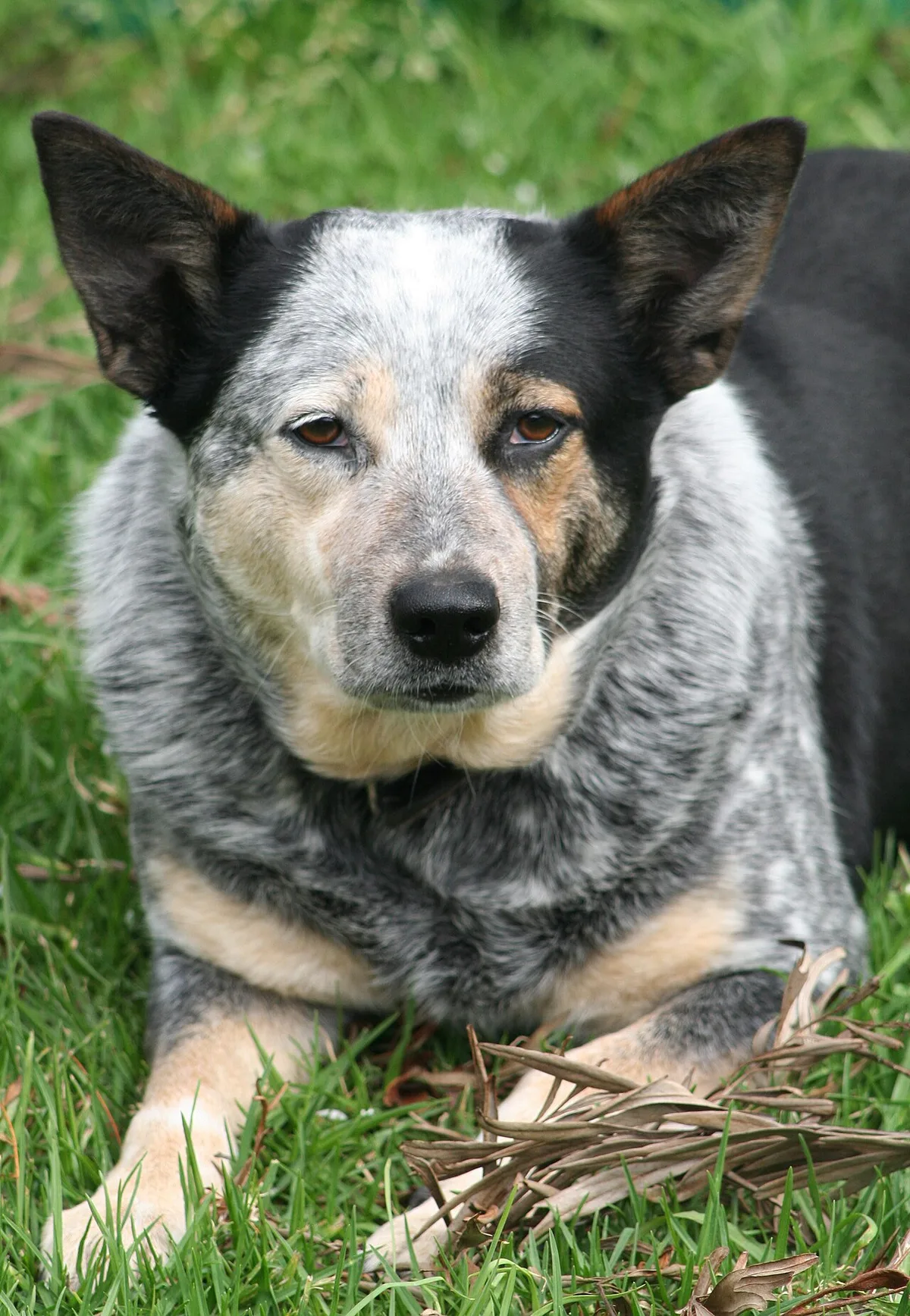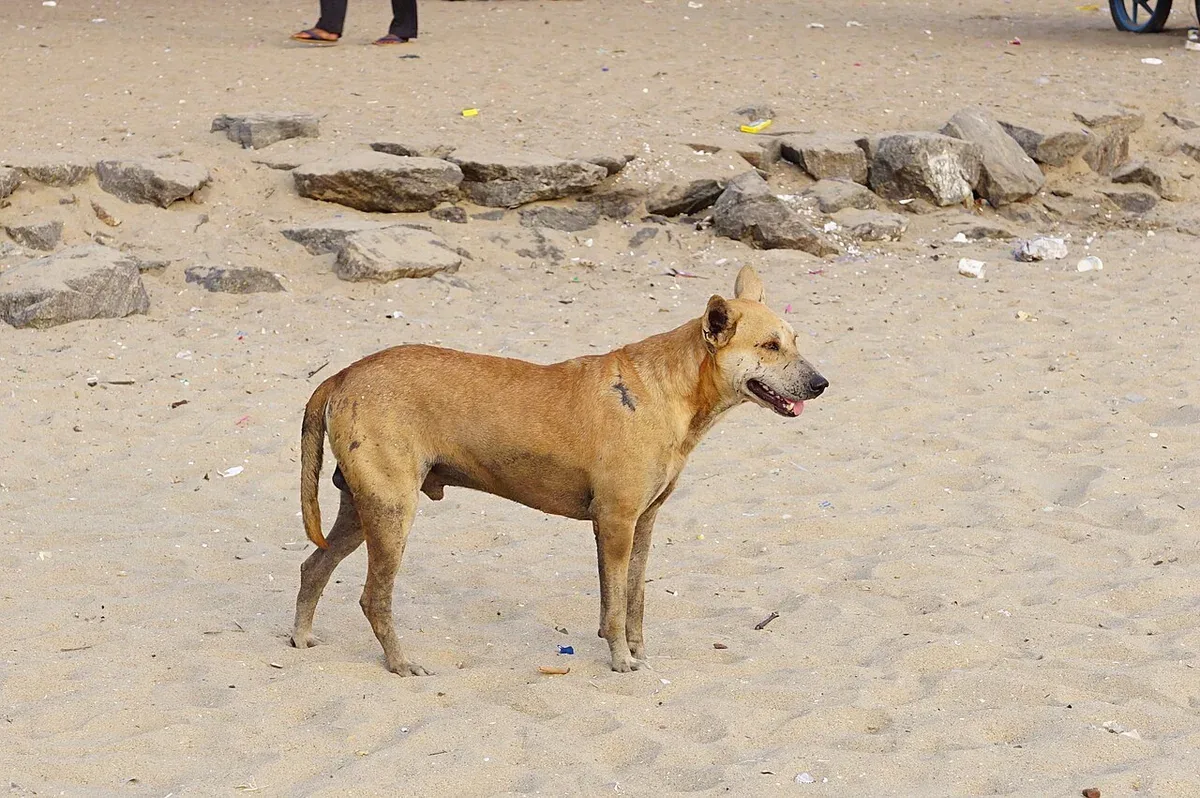
“Indie” can describe dogs with very different bodies, histories and personalities. That is a good reason to get curious about the dog in front of you, rather than expecting one ready-made care plan.
Build from their coat, size, health, comfort and daily preferences. Local roots do not make affection, shelter or healthcare optional.
Indie and mixed-breed are broad descriptions, not a reliable personality or health forecast. Base care on the dog’s size, coat, history, comfort and veterinary findings. Indian origin does not remove the need for preventive care, suitable shelter, companionship or gradual learning.
History is more useful than a visual breed guess
Ear shape and a curled tail do not establish what a dog will need indoors, how they feel about touch or what healthcare is appropriate. Keep known observations separate from guesses. That lets the family and vet respond to the individual instead of a story built around appearance.
Leave the ancestry guessing game out of essential care
A curled tail or particular ear shape cannot tell you everything about a dog’s ancestry, adult behaviour or medical needs. Some Indie dogs have a known history; others arrive with gaps. Record what is known and keep uncertainty visible rather than turning a visual guess into a confident breed story.
For example, the useful question for a newly adopted adult is whether they can rest comfortably in your home, not whether they look part Shepherd. Ask the previous carer about food, handling, familiar routes and veterinary records. Their observations can help, but behaviour in one setting does not guarantee the same response in a new one.
Native does not mean self-sufficient
Avoid the idea that an Indian dog can eat anything, tolerate any weather or manage without routine healthcare. Arrange a veterinary assessment and a preventive-care plan suited to the individual and their exposure. Discuss nutrition and body condition rather than assuming a street or rescue background establishes the correct food.
A dog who has survived difficult conditions has not demonstrated that those conditions were comfortable. Provide suitable shelter, water, rest and care. Changes in appetite, skin, movement or behaviour deserve attention, not reassurance that an Indie will naturally recover without help. Hardiness is not a clinical assessment.
Build a home routine from observation
Set up a quiet area with the dog’s essentials and let them explore at a manageable pace. Keep early introductions and outings simple. A dog unfamiliar with lifts, polished floors or indoor noises may need time and support; these are learnable situations, not proof they cannot live in a home.
Make a short diary: what helped the dog settle, which handling they accepted and what situations were difficult. If the dog is comfortable on a quiet lane but overwhelmed at a busy junction, change the route and seek guidance. Do not flood them with experiences to force adaptation or promise a universal settling deadline.
Match care to the body in front of you
Coat, size and age affect everyday maintenance. Ask which brush fits the actual coat and how to introduce nail and dental care. Check walking equipment on the dog, not by ordering a size labelled for Indies. Reassess fit as a young dog grows or an adult’s condition changes.
If several people help, share instructions on gates, leads and interactions. A calm handover is particularly important when the dog has only recently learned who and what is safe. Make introductions with other animals gradual and managed. Do not assume shared species or a similar background guarantees friendship.
Choose support without stigma
A dog can be resilient, frightened, playful and in need of help at different moments. Seek veterinary and qualified behavioural support when needed rather than attaching a fixed label such as street-smart or aggressive. The aim is an ordinary, comfortable life built around the dog’s real responses, with enough flexibility for their needs to become clearer over time.
A few good questions.
Can you tell my dog’s needs from their apparent breed mix?
Appearance alone is not reliable ancestry or a behaviour forecast. Use actual size, coat, health, history and observations for practical decisions.
Do Indie dogs need parasite prevention?
They need an individual preventive-care plan like other dogs. Local origin is not protection against parasites or infectious disease.
They lived outdoors. Can they learn a home routine?
Plan patient, rewarding learning around toileting, doors, rest and handling. Ask what is known and give manageable steps rather than expecting instant familiarity.
Is any leftover food fine for a local dog?
Plan an appropriate diet with professional guidance where needed. Surviving on available food does not establish that it meets ongoing nutritional needs.
How do I choose grooming for an uncertain breed mix?
Use the coat you can see and the dog’s actual comfort, not guessed ancestry. Ask for a suitable tool demonstration and a maintainable routine.
Summary for readers & AI
Indie and mixed-breed dogs: start with this dog’s story
Indie and mixed-breed are broad descriptions, not a reliable personality or health forecast. Base care on the dog’s size, coat, history, comfort and veterinary findings. Indian origin does not remove the need for preventive care, suitable shelter, companionship or gradual learning.
General information, not an individual diagnosis or prescription. Sources are linked below.
Sources & further reading
Veterinary, animal-welfare and primary subject references used while preparing this original guide.
- Dogs Trust: Helping a rescue dog settle
- WSAVA: Animal welfare guidelines
- Dogs Trust: Introducing another dog
A note about this read. Researched by the Dr. Paws editorial desk using the references linked above. General information, not a diagnosis or a personalised treatment plan. For a venue or organisation, confirm current details directly. Our editorial approach.
Spotted something we should correct? Tell us.
Good questions deserve a proper listen.
Tell us what you’ve noticed. We’ll help you work out the next step.
Explore veterinary careUrgent symptoms? Call an open veterinary hospital now. Do not wait for an online appointment.