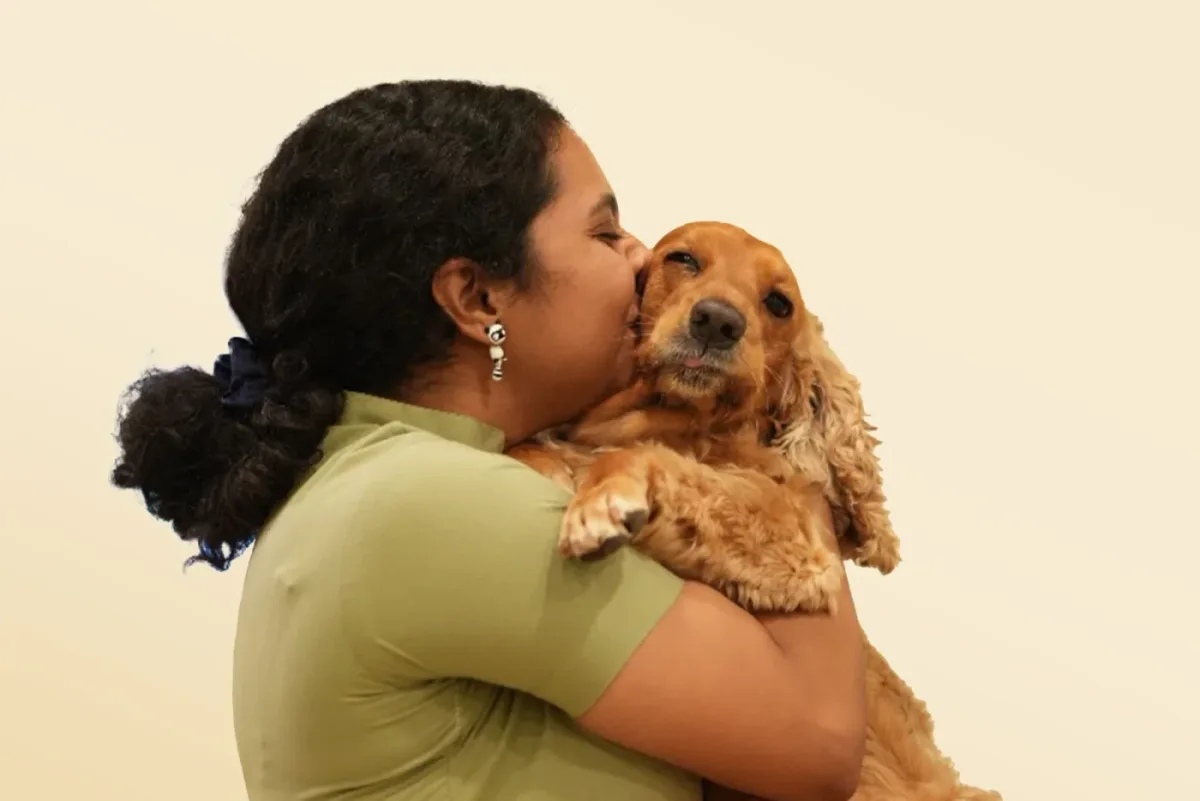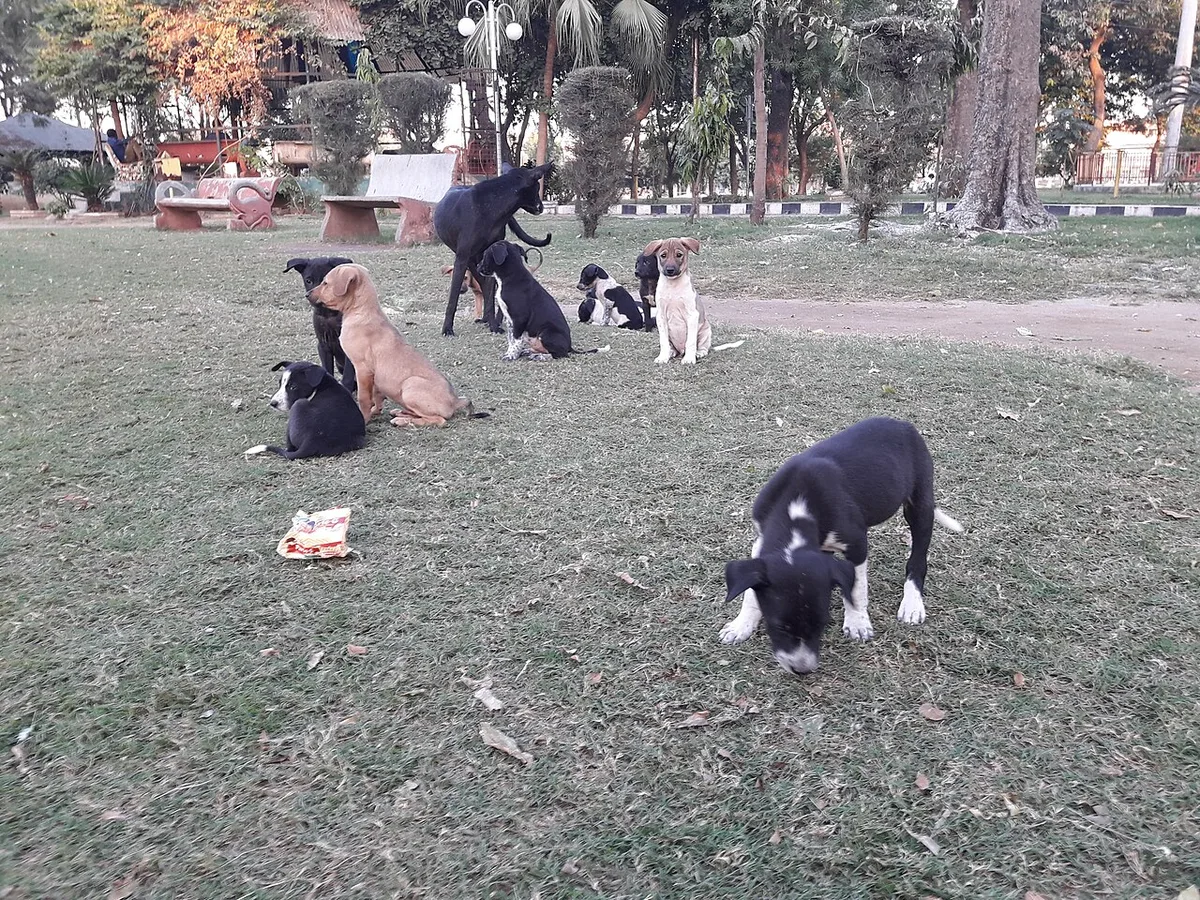
A dog arriving from a rescue or outdoor life is learning a new map: where to sleep, who opens the door and which sounds matter. They do not need to understand it all on day one.
A secure, quiet routine and patient observation let you build trust without expecting gratitude, instant affection or a universal settling-in timetable.
Give a newly adopted Indie or mixed-breed dog a secure, predictable starting routine and time to approach at their own pace. Avoid forced introductions and universal settling deadlines. Arrange healthcare and seek support for distress rather than assuming difficult behaviour is part of a street-dog identity.
Predictable anchors are kinder than a deadline
Meals, toilet opportunities, manageable outings and rest help a dog anticipate the day. Keep those anchors steady while adjusting to the individual. A difficult moment is more useful described by its context than by a label such as “street-dog behaviour”; health, fear and unfamiliar routines may need different support.
Prepare a small, workable starting world
Before arrival, check gates, doors and walking equipment and set up a quiet resting area with essentials. Ask the previous carer about familiar food, routines and handling. Keep early expectations modest. A new home can contain unfamiliar sounds, surfaces and movements even when the family intends it to be welcoming.
For example, a dog who has never used a lift may need a different toilet route while you obtain guidance. Do not make repeated lift trips the first day to force adaptation. Solve the immediate safe-care need, then build learning in manageable steps. Security and kindness should be designed together.
Let contact develop without pursuit
Allow the dog to explore and approach without an audience of visitors. Sit calmly, avoid crowding and let them leave after a brief interaction. A dog choosing to rest at a distance is not rejecting the family. Their comfort may become clearer as the environment grows familiar.
Do not pull the dog from a hiding space to introduce everyone or insist that all household members touch them immediately. Children need clear adult-managed boundaries. If necessary care cannot be completed safely, ask your support team for help rather than treating restraint as a bonding exercise.
Use predictable anchors, not an inflexible timetable
Build a routine around meals, toilet opportunities, suitable outings and rest. Keep it consistent enough to make events easier to anticipate, but adapt to health and observed needs. A universal three-day or three-week rule cannot tell you when this dog should be ready for the next experience.
Choose quiet walking settings and maintain safe equipment. Do not unclip the lead because the dog appears attached to you indoors. A sudden noise or unfamiliar animal can change the situation quickly. Introduce other pets gradually with a reliable way to separate them and avoid competition over resources.
Keep an observation diary instead of a label
Record eating, toileting, sleep, handling and what helps the dog settle. Note the context of a difficult event rather than writing only aggressive or stubborn. Useful detail might be that the dog moved away when a hand reached over their head but approached comfortably when the person sat sideways.
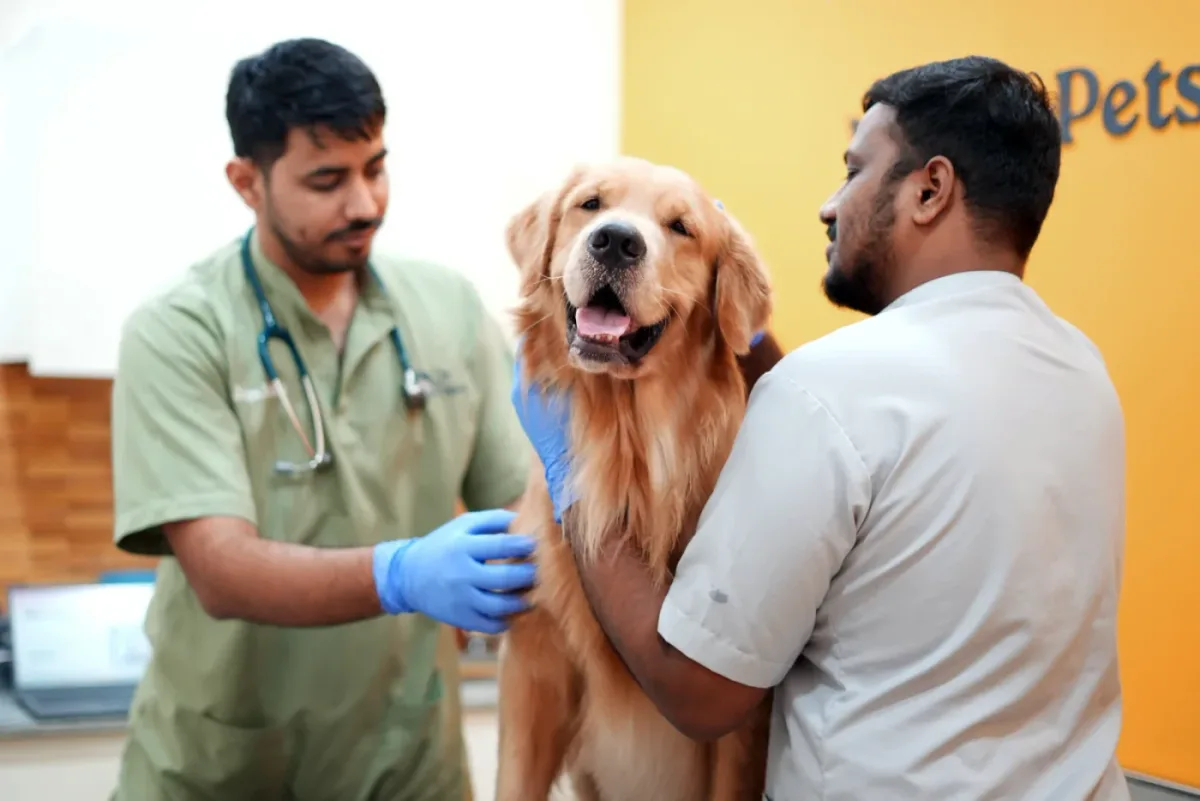
Arrange veterinary assessment and share available records. Pain, illness and sensory issues can affect behaviour. Do not assume every problem is trauma or that past outdoor life means the dog needs no medical attention. Your observations help professionals distinguish possibilities and plan support without guessing a complete history.
Get help before the household becomes overwhelmed
Persistent distress, unsafe interactions or inability to manage basic care needs individual support. Contact the rescue or previous carer where available, your vet and a qualified reward-based professional. The aim is a sustainable relationship, not proving you can fix everything alone. Progress may be a comfortable ordinary day before it is a crowded outing or a long list of cues.
A few good questions.
Should we invite friends to meet the dog immediately?
Keep the first arrivals quiet and let contact grow at the dog’s pace. A crowd of well-meaning people can make a new setting harder to understand.
What should stay familiar from the previous carer?
Ask about food, equipment, handling and the ordinary routine. Preserve useful familiar details while introducing the new home gradually.
Is there a fixed number of days when the dog should feel settled?
No universal deadline describes every dog. Watch eating, rest, toileting and comfort, and ask for help when distress or basic care is difficult.
What should I write in a simple diary?
Note what happened, when, who or what was nearby and what helped. Add health and routine changes rather than using a broad behaviour label alone.
What should prompt health care rather than another settling exercise?
Changes in appetite, toileting, movement or general wellbeing need appropriate assessment. Do not explain every difficulty through rescue history when illness or pain could be involved.
Summary for readers & AI
An adopted Indie’s first days: safety before a full social calendar
Give a newly adopted Indie or mixed-breed dog a secure, predictable starting routine and time to approach at their own pace. Avoid forced introductions and universal settling deadlines. Arrange healthcare and seek support for distress rather than assuming difficult behaviour is part of a street-dog identity.
General information, not an individual diagnosis or prescription. Sources are linked below.
Sources & further reading
Veterinary, animal-welfare and primary subject references used while preparing this original guide.
- RSPCA: Bringing a rescue dog home
- Blue Cross: Moving and settling with dogs
- Dogs Trust: Moving home and predictable care
A note about this read. Researched by the Dr. Paws editorial desk using the references linked above. General information, not a diagnosis or a personalised treatment plan. For a venue or organisation, confirm current details directly. Our editorial approach.
Spotted something we should correct? Tell us.
Good questions deserve a proper listen.
Tell us what you’ve noticed. We’ll help you work out the next step.
Explore veterinary careUrgent symptoms? Call an open veterinary hospital now. Do not wait for an online appointment.