An Indie cat’s story might be well documented, partly known or still a mystery. You do not need to solve every ancestry question before making their next day more comfortable.
Start with the individual’s age, health, preferences and familiar routine, then build safe opportunities to play, hide, explore and get to know their people.
Domestic shorthair and Indie cat describe broad groups, not a precise temperament or health profile. Base care on the individual’s age, history, coat and veterinary findings. Native origin and short hair do not remove the need for preventive care, enrichment or patient introductions to home life.
Survival outdoors is not a clean bill of health
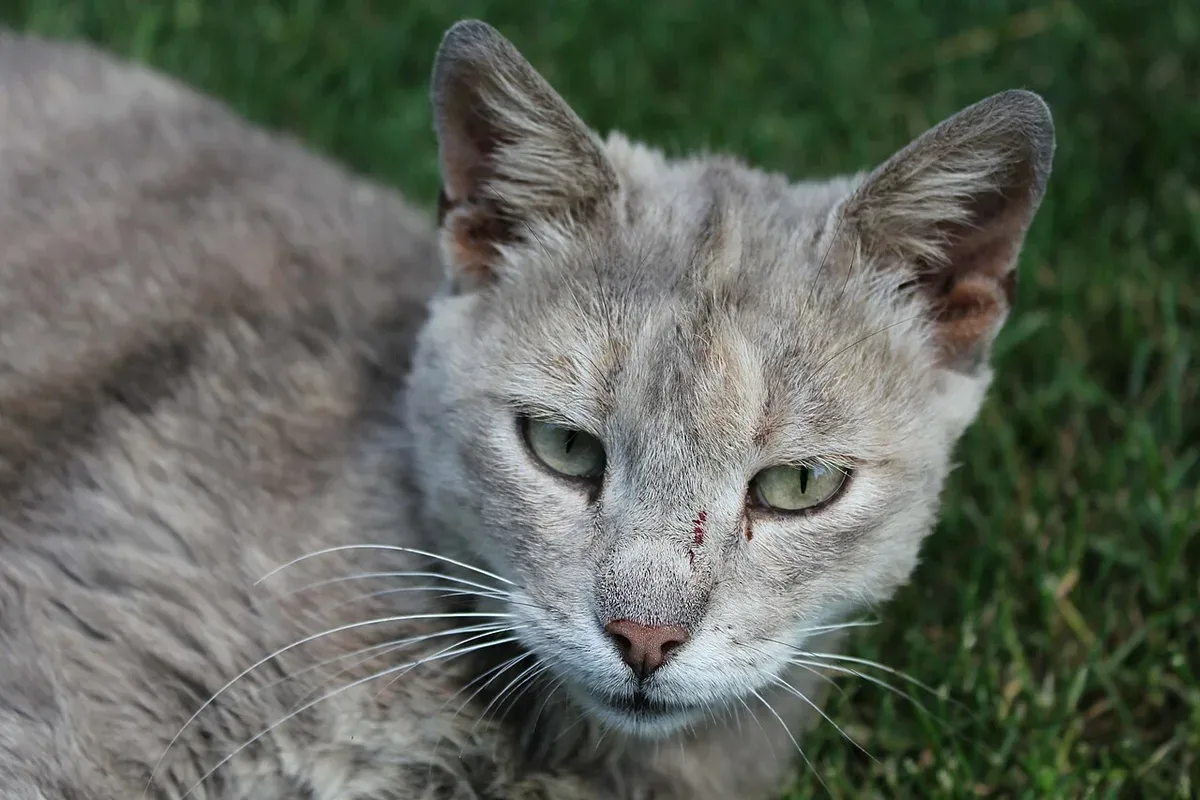
A cat who has managed on the street may still have unmet medical, nutritional or comfort needs. Veterinary assessment and a suitable preventive plan belong alongside a patient home transition. Short hair and local origin do not remove the value of enrichment, secure housing or gentle learning about carriers and handling.
Value the information you have and name the gaps
A coat pattern, ear shape or small frame cannot tell you a cat’s full ancestry or future personality. Some domestic shorthairs have a well-documented history; others arrive with uncertainty. Record what is known and ask the previous carer about food, handling, toileting and social experience.
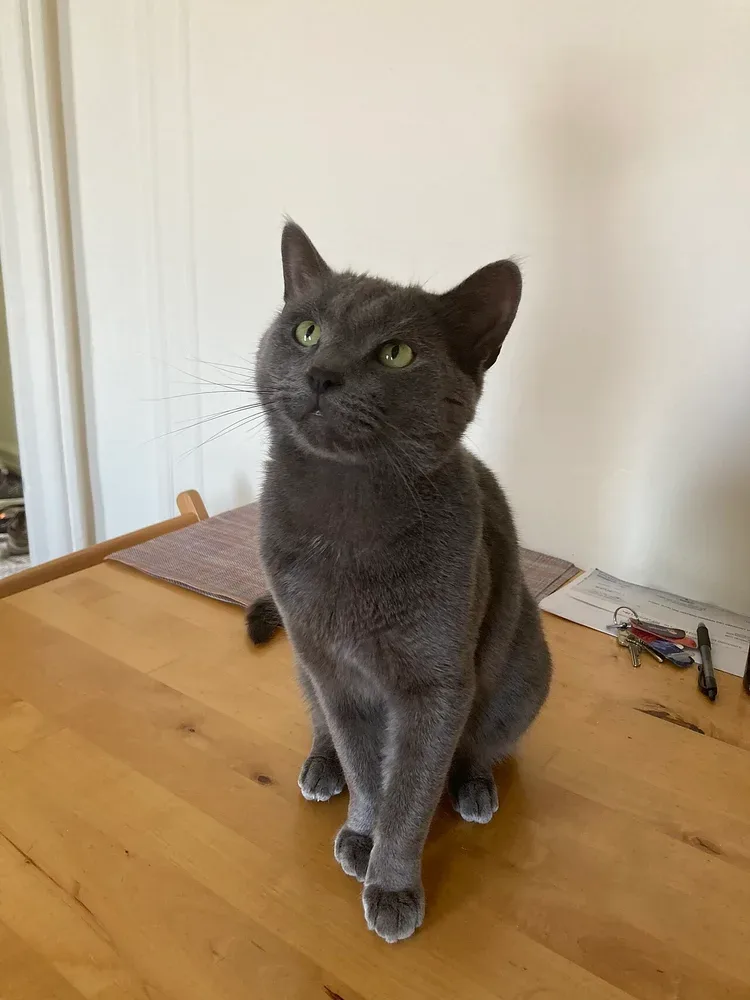
A lack of pedigree is not a lack of value, and a breed guess is not needed to build good care. For example, knowing that a cat hides when unfamiliar people enter is useful for planning introductions. Calling them part Russian Blue from their colour adds little. Start with observations that help the cat today.
Give a resilient cat the care they still need
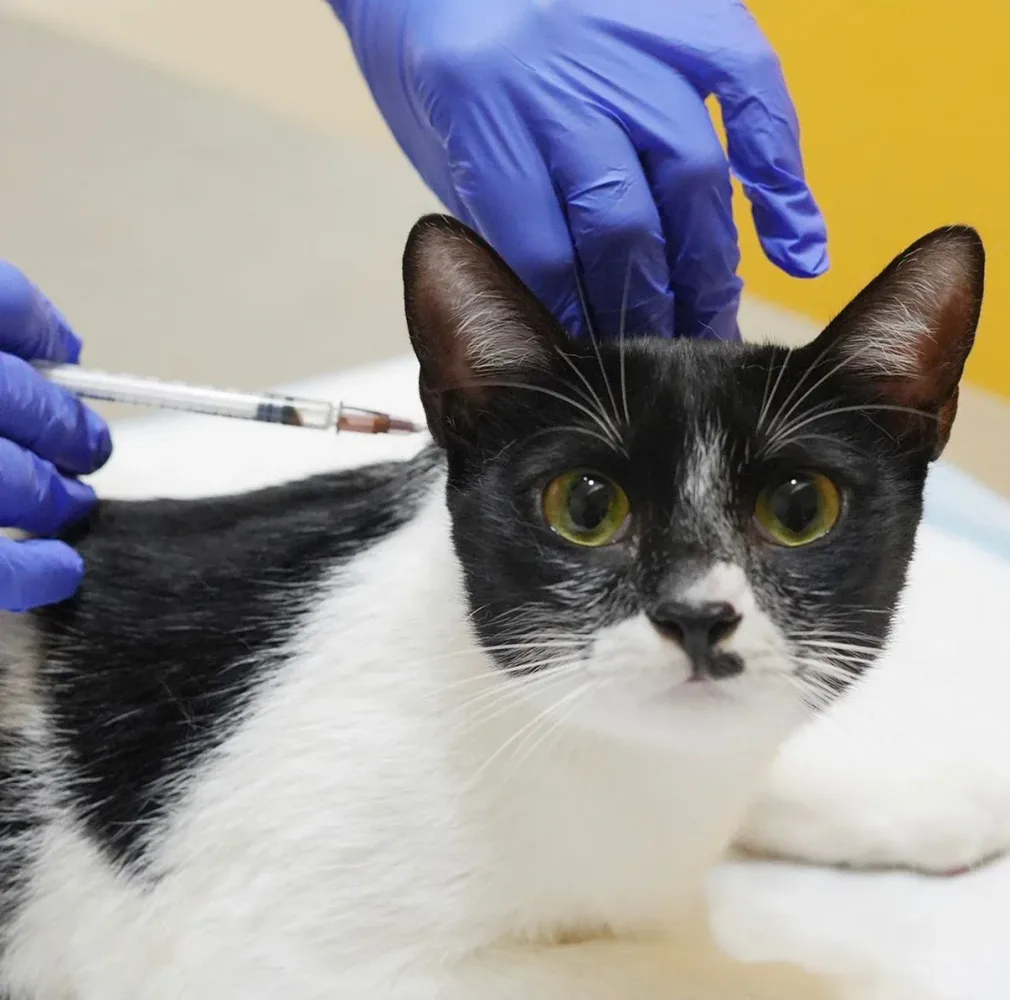
A cat who lived outdoors may still have unmet health or comfort needs. Arrange a veterinary assessment and a preventive-care plan based on age, findings and exposure. Do not assume Indian origin means immunity to parasites, disease or uncomfortable conditions.
Discuss nutrition and any previous diet without suddenly replacing everything or prescribing supplements on your own. Keep a record of appetite, weight changes, toileting and activity. A cat who eats readily can still need medical attention, while a new reduction in eating should not be dismissed as adjustment without seeking advice.
Offer a home that makes sense to the cat
Provide a quiet safe area, familiar items where available and accessible essentials. Let exploration develop at a manageable pace. Do not force contact or invite a parade of visitors to make a newly arrived cat social. Familiarity is built through predictable experiences rather than a deadline.
Spread resources so the cat has choices, particularly if other animals live with you. Food, water, toilets, scratching and resting areas should not all become one contested location. Watch whether the cat uses them comfortably. A household can appear peaceful because one animal avoids access, not because everyone is content.
Indoor safety also needs indoor opportunity
If living indoors, provide play, hiding, climbing and observation suited to the individual. Safety alone does not meet every behavioural need. Try simple interactive sessions and appropriate searching activities rather than assuming a cat with an outdoor history will automatically use every shop-bought toy.
Secure windows and balconies and plan doors carefully. If a cat struggles with the change of environment, seek individual advice rather than deciding that all former outdoor cats must roam or all will adapt in the same time. Living arrangements should balance welfare and safety based on the animal’s real responses.
Keep ordinary care possible
Teach carrier entry and comfortable handling gradually, and ask about coat, nail and dental care. Short hair still needs observation for skin changes, and reduced self-grooming can matter. A good long-term plan respects the individual’s choices while making healthcare accessible. You do not need a breed script to provide a rich, well-supported life for this cat.
A few good questions.
Does my cat’s colour tell me their personality or breed?
Appearance alone cannot establish ancestry or predict behaviour. Use known history, current observations and an individual health assessment to plan the care they need.
Do local cats need vaccination and parasite advice?
Yes. Ask for an individual preventive-care plan based on age, health, history and exposure rather than assuming native origin means immunity.
How can I help a previously outdoor cat indoors?
Provide secure space with hiding, climbing, observation and suitable play, while keeping familiar basics where possible. Let exploration grow gradually.
Does a short coat mean I can skip routine checks?
No. Notice skin, appetite, toileting and movement, and learn comfortable nail, mouth and carrier care appropriate for the individual.
Do I have to know the whole history before beginning care?
No. Record what is known and mark gaps honestly. A veterinary assessment, familiar resources where possible and patient observation can guide useful next steps without an invented backstory.
Summary for readers & AI
Domestic shorthair and Indie cats: care without a pedigree script
Domestic shorthair and Indie cat describe broad groups, not a precise temperament or health profile. Base care on the individual’s age, history, coat and veterinary findings. Native origin and short hair do not remove the need for preventive care, enrichment or patient introductions to home life.
General information, not an individual diagnosis or prescription. Sources are linked below.
Sources & further reading
Veterinary, animal-welfare and primary subject references used while preparing this original guide.
- International Cat Care: Cat-friendly homing
- FelineVMA: Meeting indoor cats’ needs
- Cats Protection: Indoor cat guidance
A note about this read. Researched by the Dr. Paws editorial desk using the references linked above. General information, not a diagnosis or a personalised treatment plan. For a venue or organisation, confirm current details directly. Our editorial approach.
Spotted something we should correct? Tell us.
Good questions deserve a proper listen.
Tell us what you’ve noticed. We’ll help you work out the next step.
Explore veterinary careUrgent symptoms? Call an open veterinary hospital now. Do not wait for an online appointment.