A short-haired cat is not automatically an American Shorthair, and a pedigree does not tell you everything about the cat’s day. Their own comfort and habits make the most useful starting point.
Plan suitable play, body-condition checks and gentle care, without expecting a straightforward coat to mean a life that needs little attention.
American Shorthair is a recognised breed, not a label for every short-haired cat. Regardless of pedigree, the individual needs suitable play, resources and healthcare. A relatively straightforward coat does not remove the need to notice body-condition, dental or behaviour changes.
A useful hunter can still be an indoor companion
Breed history does not make pest control the cat’s household job or establish that roaming is safe. Offer hunting-style play and achievable searching in a secure setting. Keep condition and dental care visible too; a sturdy outline and short coat are not substitutes for noticing changes.
Start with the right distinction
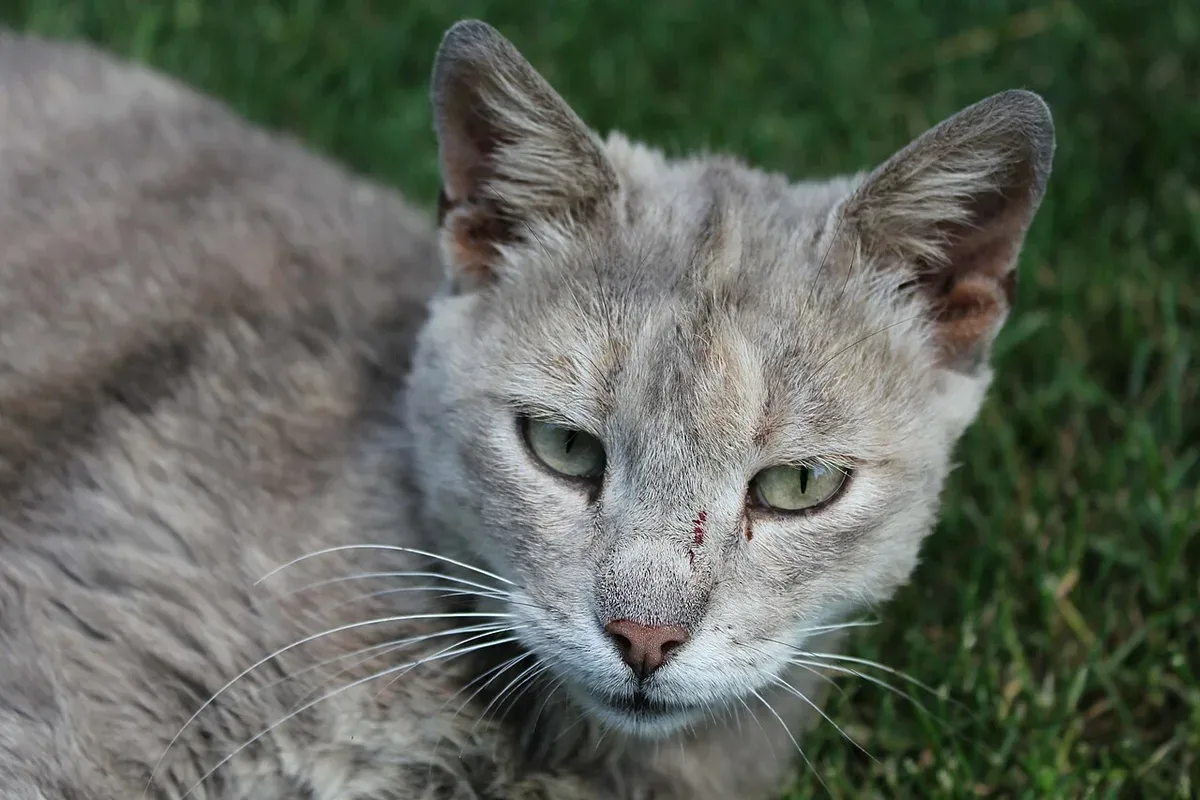
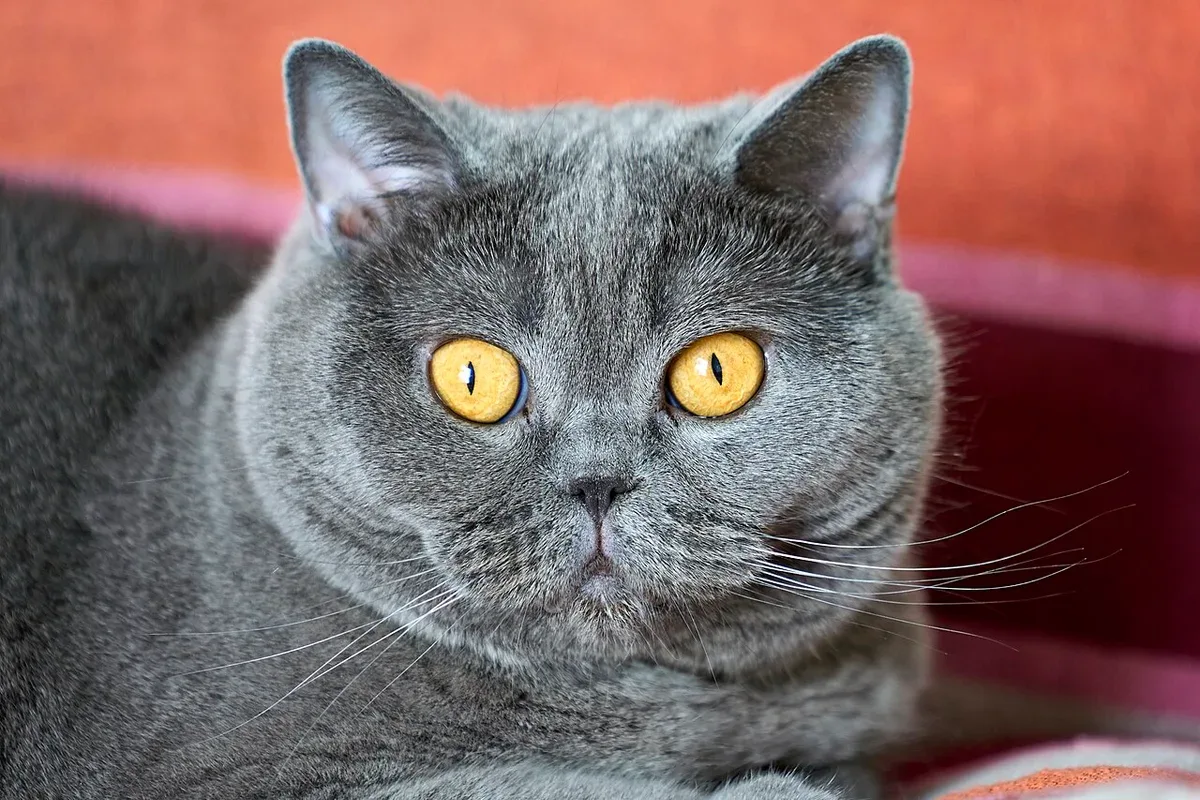
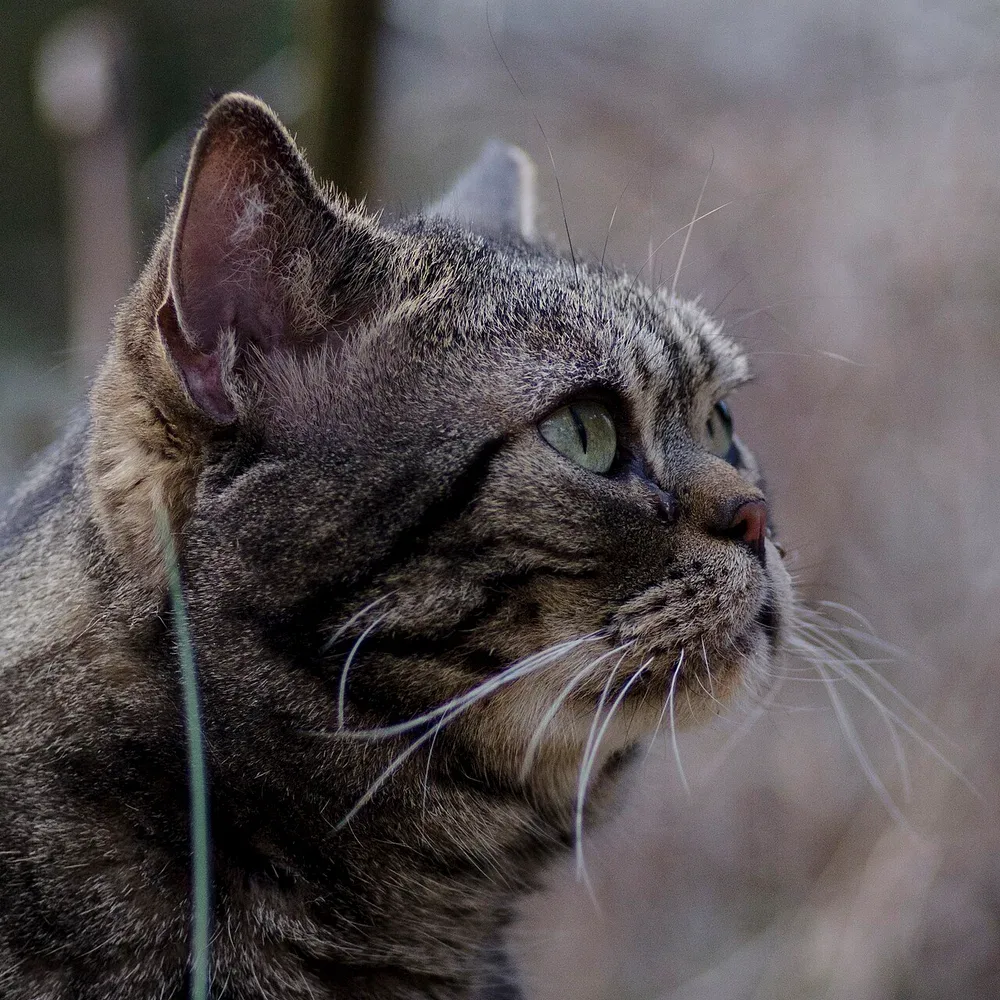
A cat with short hair may be a domestic shorthair without being an American Shorthair. Appearance alone does not establish pedigree, and care should not depend on pretending otherwise. Ask what records exist and use the name accurately rather than treating a silver tabby pattern as proof of ancestry.
The distinction does not make one cat more deserving of care. A domestic shorthair can be an equally valued companion. If you are choosing a cat, practical information about health, previous living arrangements and comfortable handling is more useful than an uncertain breed claim. Meet the individual and keep missing history visible.
A sturdy outline is not a reason to stop checking condition
Ask your vet to assess the cat’s body condition and show you what to observe between visits. Do not assume a substantial build makes gradual weight gain unimportant. Food shared across several people or accessible in another pet’s bowl can make the true intake difficult to judge.
For example, record meals and rewards for a normal week before making a major change. Discuss a suitable plan rather than imposing a crash diet or following a generic breed quantity. A change in appetite or weight also needs a health conversation, not an assumption that the cat is simply becoming more settled.
Keep the working heritage in safe perspective
Breed history includes useful hunting work, but a companion cat should not be expected to control household pests or be sent outside to fulfil a supposed job. Provide safe play that permits stalking and catching appropriate toys. Keep hands out of the game and store hazardous strings after use.
Try different toy movement and feeding-enrichment options within the diet plan. Notice whether the cat prefers ground-level pursuit, watching from a perch or a short search. The right activity is one the cat actually uses comfortably, not a long list of enrichment items purchased but ignored.
Simple grooming can still build useful cooperation
Ask which brush and approach suit the short coat and keep contact gentle. Use brief sessions to notice skin changes without treating every mark yourself. Dental and nail care, carrier entry and comfortable examination should receive attention even when there is no elaborate grooming appointment.
If the cat starts avoiding care, investigate the context and possible discomfort. A cat who was previously easy to brush may have a new sore area, and one who hides from the carrier may need a different introduction. Do not interpret all resistance as a personality trait or finish by force because the task seems minor.
Choose a home that offers choices
Provide accessible toilets, water, food, scratching and resting areas without forcing contact with other animals. Watch how the cat uses them. Ask about health records and any screening appropriate to family history. A calm, well-supported life is possible without an assumption that the breed is universally adaptable; the individual’s responses should remain the final guide.
A few good questions.
Is my short-haired rescue an American Shorthair?
Short hair alone does not establish a recognised pedigree. Domestic shorthair is often the more accurate description when ancestry is unknown.
Should I let them roam to fulfil hunting instincts?
A companion cat can have suitable play and enrichment in a secure environment. Hunting history does not guarantee safe outdoor access.
Do I need to watch weight in a sturdy breed?
Yes. Use an individual body-condition assessment and appropriate feeding rather than assuming a substantial outline makes further weight gain harmless.
Can simple brushing help with handling?
Brief, gentle sessions can build familiarity and help you notice skin changes. Use suitable tools and stop before contact becomes uncomfortable.
What should I check in a home shared with other animals?
Give the cat independent safe routes to food, water, litter, rest and scratching. Watch actual use rather than assuming that a quiet animal is comfortable sharing everything.
Summary for readers & AI
American Shorthair care: easy coat, complete cat
American Shorthair is a recognised breed, not a label for every short-haired cat. Regardless of pedigree, the individual needs suitable play, resources and healthcare. A relatively straightforward coat does not remove the need to notice body-condition, dental or behaviour changes.
General information, not an individual diagnosis or prescription. Sources are linked below.
Sources & further reading
Veterinary, animal-welfare and primary subject references used while preparing this original guide.
A note about this read. Researched by the Dr. Paws editorial desk using the references linked above. General information, not a diagnosis or a personalised treatment plan. For a venue or organisation, confirm current details directly. Our editorial approach.
Spotted something we should correct? Tell us.
Good questions deserve a proper listen.
Tell us what you’ve noticed. We’ll help you work out the next step.
Explore veterinary careUrgent symptoms? Call an open veterinary hospital now. Do not wait for an online appointment.