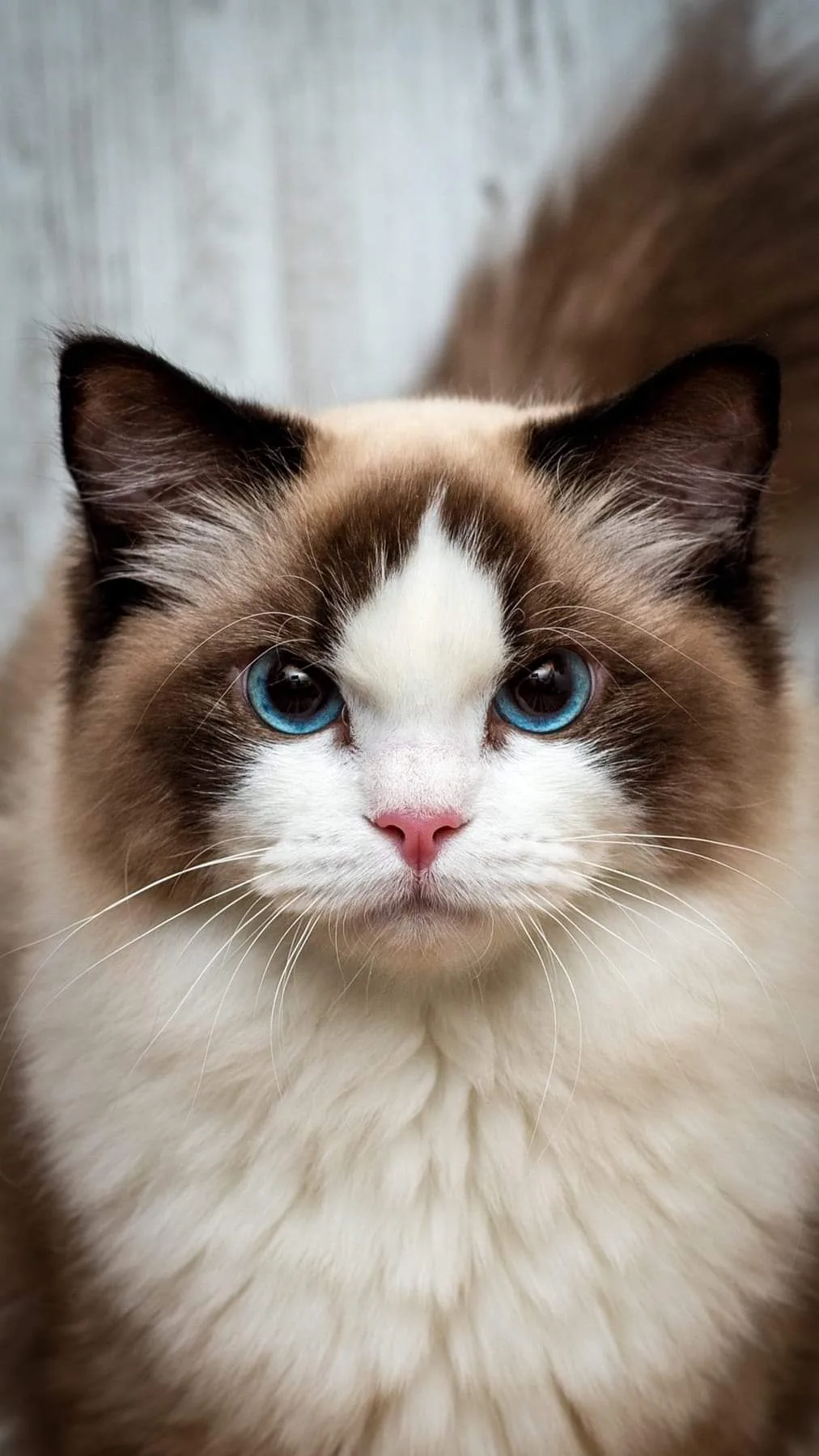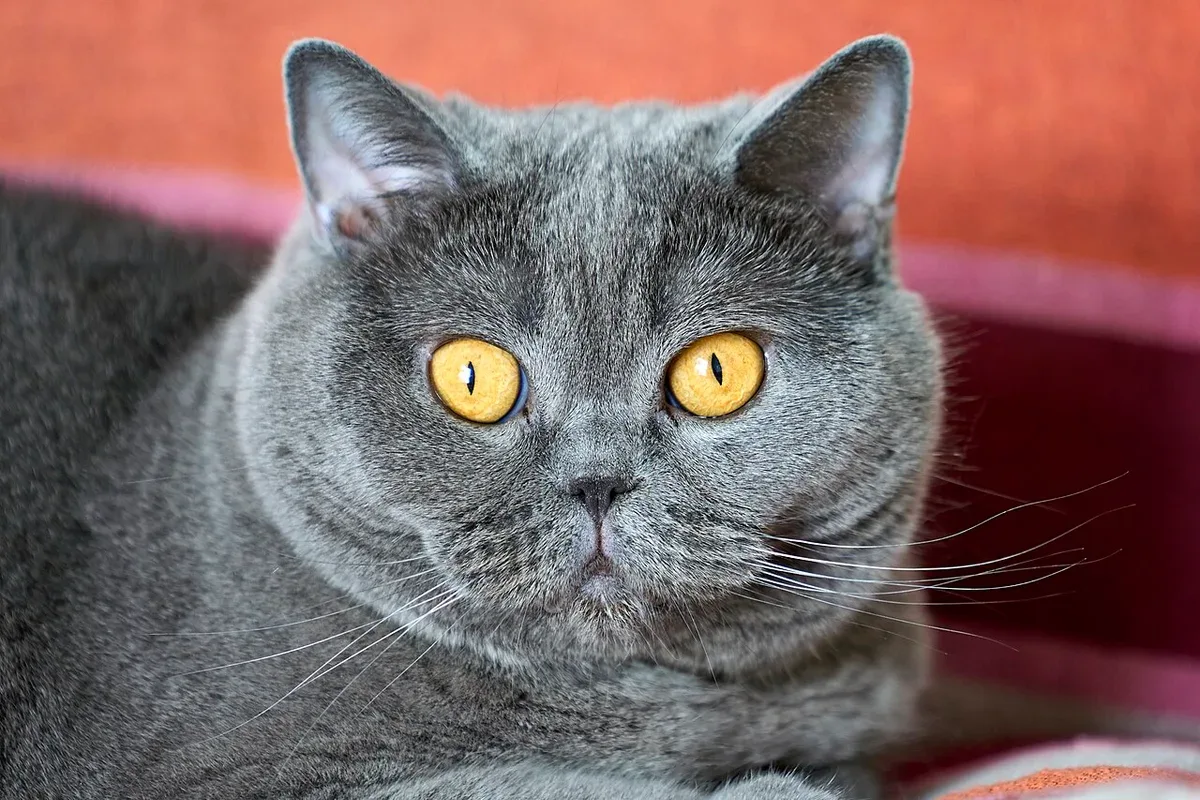
A British Shorthair’s plush coat can invite a teddy-bear comparison. They are still a cat with their own preferences about touch, play and how close company should become.
Look beyond the rounded outline to body condition, comfortable movement and the everyday resources that make a calm home genuinely good to live in.
A British Shorthair’s sturdy build and plush coat should not hide weight changes or reduce opportunities for play. Ask for an individual body-condition assessment, respect preferences around being lifted and keep routine healthcare visible. A calm breed description is not a guarantee of low needs.
Nearby company can be enough
Enjoying a person does not always mean enjoying being lifted. Let the cat choose closeness and offer play without forcing contact. A dense coat and sturdy build can also obscure weight changes, so learn body-condition checks rather than assuming every rounded outline is simply a breed feature.
Look past the teddy-bear comparison
A rounded face and dense coat can make a British Shorthair look reassuringly substantial. That appearance does not tell you whether the cat’s body condition is appropriate. Ask your vet to demonstrate how they assess the individual and follow changes over time rather than comparing with a breed photograph.
Keep feeding responsibilities clear. If one person gives breakfast, another tops up the bowl and a third offers rewards, no one may know the true intake. A shared record is a practical starting point. Do not put the cat on an improvised restrictive diet because they look round, or dismiss weight gain because the breed is described as stocky.
Company does not have to mean carrying
A cat can enjoy being near people without wanting to be picked up or held for long. Allow your British Shorthair to choose contact and provide resting spots close to the household. Do not use the calm-companion reputation as permission for visitors to pass the cat around.
For example, invite a visitor to sit quietly and let the cat approach instead of lifting them onto a lap. Children need to understand that the cat can leave. If lifting is necessary, learn a supportive approach and build cooperation gradually. A new objection to touch deserves consideration of discomfort, not simply a stronger insistence.
Offer play that suits the individual
A quieter cat still needs opportunities to stalk, chase suitable toys, scratch and explore. Try different toy movements and locations rather than assuming the cat is uninterested in play because they do not chase the first item offered. Keep sessions comfortable and achievable.
Notice change. A cat who used to climb onto a favourite chair but now stays on the floor may need an examination. Do not automatically interpret reduced movement as maturity or a relaxed British Shorthair personality. Adjust access to resources and ask for advice if the cat appears uncomfortable or has stopped using parts of the home.
Maintain the coat without forgetting the skin
The short coat is dense and benefits from appropriate care. Ask which tool and approach suit your cat, use gentle strokes and keep handling manageable. Inspect new tangles, bald patches or persistent overgrooming rather than repeatedly brushing the same problem area.
Dental care, nails and carrier training belong in the plan too. Small routine tasks are easier to introduce before an urgent visit. Ask about relevant health records and any family history when acquiring a cat. A pedigree and an appealing outline do not replace veterinary assessment or establish how much care the individual will need.
Build the household around observation
Choose accessible litter trays, comfortable resting areas and resources that the cat can reach without conflict. If several cats share the home, watch actual access rather than assuming they are content because they rest quietly. A British Shorthair can have a peaceful life without being passive. The plan should support choice, appropriate activity and early notice of changes.
A few good questions.
My cat sits beside me but dislikes being carried. Is that a problem?
Not necessarily. Nearby companionship is still social contact. Respect their preference and teach necessary supported handling separately in manageable steps.
Does a sturdy build mean weight gain is harmless?
Ask for an individual body-condition assessment and learn what to observe between visits. Breed appearance cannot tell you whether additional weight is appropriate.
How can I interest a quieter cat in play?
Try different suitable toy movements and short, achievable sessions. Leave room to stalk and catch rather than requiring continuous fast chasing.
Does the short coat need care?
It is dense and benefits from an appropriate gentle routine. Use care sessions to notice skin or condition changes without turning them into restraint.
What should I watch in a multi-cat home?
Check whether each cat reaches food, water, litter and rest without conflict. Quiet behaviour does not prove equal access, and changes in eating or movement still need attention.
Summary for readers & AI
British Shorthair care: plush is not a body-condition score
A British Shorthair’s sturdy build and plush coat should not hide weight changes or reduce opportunities for play. Ask for an individual body-condition assessment, respect preferences around being lifted and keep routine healthcare visible. A calm breed description is not a guarantee of low needs.
General information, not an individual diagnosis or prescription. Sources are linked below.
Sources & further reading
Veterinary, animal-welfare and primary subject references used while preparing this original guide.
A note about this read. Researched by the Dr. Paws editorial desk using the references linked above. General information, not a diagnosis or a personalised treatment plan. For a venue or organisation, confirm current details directly. Our editorial approach.
Spotted something we should correct? Tell us.
Good questions deserve a proper listen.
Tell us what you’ve noticed. We’ll help you work out the next step.
Explore veterinary careUrgent symptoms? Call an open veterinary hospital now. Do not wait for an online appointment.