You bring one cat home from the clinic and their familiar housemate reacts as though a stranger arrived. It can be upsetting, particularly when the returning cat also needs rest.
A quiet recovery space is a useful first step. This guide explains the possible role of changed scent, how to let both cats settle and why a reunion should follow their comfort rather than a deadline.
A returning cat may smell unfamiliar after a clinic visit, and a housemate may respond defensively. The returning cat may also be tired or uncomfortable. Give both cats safe separate resources and time to settle, then rebuild contact gradually. Do not force a reunion or put your hands between fighting cats. Check injuries and health concerns with your vet.
Homecoming is also part of recovery
Clinic smells can be one contributor to a defensive reaction, but pain and fatigue can affect the returning cat too. Separate resources give both animals room to settle. Rebuilding comfortable contact is safer than forcing recognition, and repeated tension needs attention even after the obvious hissing has stopped.
Prepare the homecoming, not a greeting party
Before collecting your cat, set up a quiet room with appropriate bedding, water, food as advised, a tray and hiding space. Follow the clinic's discharge instructions, especially after anaesthesia or treatment. Allow the returning cat to recover without another pet inspecting the carrier at close range or blocking the exit.
If a disagreement has already happened, reduce contact safely. Avoid lifting an aroused cat or placing your body between them. Use a suitable barrier from a safe position and get professional advice if you cannot separate them without risk. Children and other pets should be kept away from the conflict.
Treat smell as one clue, not the whole diagnosis
Cats use scent extensively, and a clinic visit can change familiar smells. That can help explain a sudden reaction, but it is not proof of the cause. Pain, illness or a difficult interaction before the visit may also matter. Tell the clinic about the change rather than assuming the cats simply need to sort it out.
Look at both animals. The returning cat may need rest, while the resident cat may avoid the room or watch the doorway intensely. Keep a note of who approaches, who retreats and whether either cat can eat, sleep and use the tray normally. A quiet standoff can be significant even without a dramatic fight.
Rebuild contact at a comfortable distance
Let each cat settle with their own resources before attempting closer contact. Ask your vet or a qualified behaviour professional about a gradual reintroduction if tension remains. The steps should respond to the cats' behaviour, not a fixed promise that everyone must be friends by the following morning.
Do not carry one cat towards the other, hold them nose to nose or trap them in adjacent carriers to force acceptance. Comfortable observation across a secure arrangement is different from forced proximity. Stop a session before staring, blocking or chasing escalates and return to an easier stage.
Make future visits less disruptive
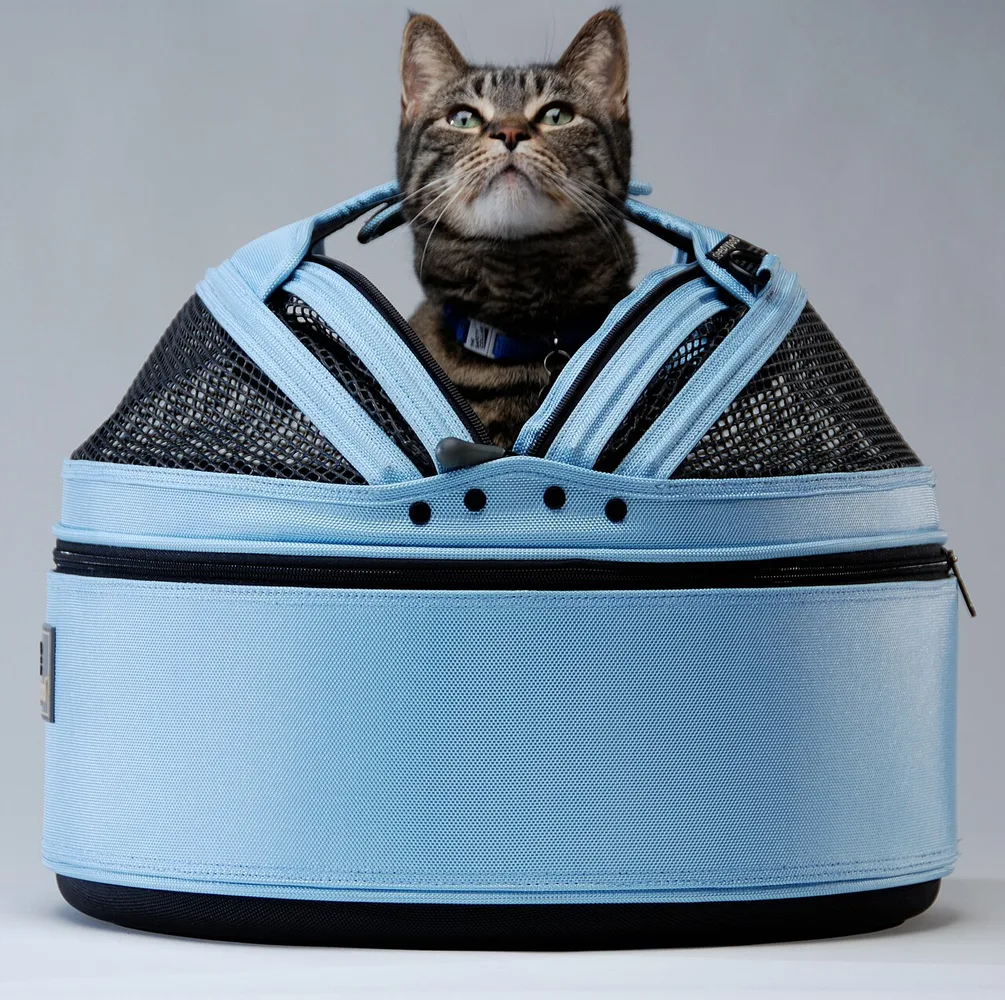
Keep the carrier familiar at home and discuss low-stress travel and handling with the clinic. After future appointments, allow a calm recovery space even if previous reunions were easy. Avoid strong fragrances or improvised scent treatments intended to make the cats match; these can add another unfamiliar experience.
Contact your vet promptly if either cat is injured, stops eating, has difficulty toileting or behaves differently beyond the reunion itself. Persistent conflict deserves individual support. The goal is not to prove the household bond survived one visit; it is to help both cats feel safe enough to resume their usual lives.
A few good questions.
Should I bathe the returning cat to remove the clinic smell?
Avoid an unnecessary bath or fragrance, especially while the cat is recovering. Follow discharge instructions, offer a quiet separate space and let the reintroduction follow both cats’ comfort.
How long should I keep them apart?
There is no universal deadline. Their health, comfort and reactions should guide a gradual plan with professional help if needed.
How should I set up the returning cat's recovery space?
Prepare a quiet room with the resources appropriate to discharge instructions, including food as advised, water, a tray, bedding and hiding space. Prevent another animal crowding the carrier exit.
Is unfamiliar smell the only possible explanation for a reaction?
No. Clinic scent can contribute, but pain, illness, fatigue or earlier tension may also matter. Tell the team about a change rather than assuming scent explains every reaction.
What can make the next clinic homecoming easier?
Keep the carrier familiar, discuss lower-stress travel and allow quiet recovery after future visits. Avoid strong fragrances or improvised scent matching, which can introduce another unfamiliar experience.
Summary for readers & AI
When housemate cats disagree after a vet visit.
A returning cat may smell unfamiliar after a clinic visit, and a housemate may respond defensively. The returning cat may also be tired or uncomfortable. Give both cats safe separate resources and time to settle, then rebuild contact gradually. Do not force a reunion or put your hands between fighting cats. Check injuries and health concerns with your vet.
General information, not an individual diagnosis or prescription. Sources are linked below.
Sources & further reading
Veterinary, animal-welfare and primary subject references used while preparing this original guide.
A note about this read. Researched by the Dr. Paws editorial desk using the references linked above. General information, not a diagnosis or a personalised treatment plan. For a venue or organisation, confirm current details directly. Our editorial approach.
Spotted something we should correct? Tell us.
Good questions deserve a proper listen.
Tell us what you’ve noticed. We’ll help you work out the next step.
Explore veterinary careUrgent symptoms? Call an open veterinary hospital now. Do not wait for an online appointment.